Draining water from your diesel fuel filter is a vital, straightforward maintenance task crucial for protecting your engine and maintaining optimal performance. Neglecting this simple procedure can lead to significant engine damage and costly repairs. Regularly purging accumulated water ensures your diesel runs efficiently and reliably, preventing common issues caused by water contamination.
How to Learn How to Drain Water from Fuel Filter Diesel Easily
Quick Answers to Common Questions
Why should I drain water from my diesel fuel filter?
Water in your fuel system can cause serious damage to injectors, fuel pumps, and even lead to engine stalling. Regularly draining water from your fuel filter is crucial to prevent corrosion and maintain optimal engine performance.
How often should I drain water from my fuel filter?
It’s generally recommended to check and drain water from your fuel filter every 5,000 to 10,000 miles or during routine oil changes, but always consult your vehicle’s owner’s manual for specific recommendations. If you suspect contaminated fuel, it’s wise to check it immediately!
What tools do I need to drain water from my diesel fuel filter?
You’ll typically need a suitable container to catch the drained fluid (like an old oil pan or a clear jar) and possibly a wrench if your filter has a drain plug instead of a hand-operated valve. Safety gloves are also a good idea to keep things clean!
What’s the basic process to drain water from a diesel fuel filter?
First, locate your fuel filter assembly, usually on the engine or frame rail. Place your catch container underneath, then carefully open the drain valve (often a thumb screw or small plug) at the bottom of the filter until clean fuel starts to flow, indicating you’ve successfully drained the water.
What should I do if I drain a lot of water or notice fuel contamination?
If you drain a significant amount of water or cloudy, discolored fuel, it indicates a larger contamination issue. You might need to replace the fuel filter entirely, inspect your fuel tank for water accumulation, and potentially seek professional help to prevent further damage.
Why This Matters / Understanding the Problem
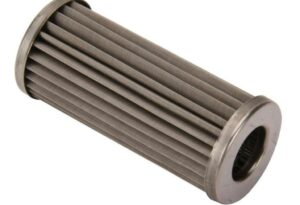
Hey there! If you own a diesel vehicle, whether it’s your trusty pickup truck or a heavy-duty piece of equipment, you’ve probably heard about the importance of fuel system maintenance. One of those critical tasks is knowing how to drain water from your fuel filter. It might sound a bit intimidating at first, but trust me, it’s a skill that will save you a lot of headaches and potentially a lot of money down the road.
You see, diesel fuel can get contaminated with water. It happens through condensation in the fuel tank, leaky caps, or even from the fuel pump itself. Water and diesel don’t mix, and water is heavier, so it settles at the bottom of your fuel tank. Your fuel filter’s job is to catch this water before it reaches your engine’s delicate injection system.
Why is this a big deal? Well, water can cause rust, corrosion, and damage to your fuel injectors and fuel pump. In cold weather, it can even freeze and block your fuel lines. If you want to keep your diesel engine running smoothly and avoid costly repairs, you absolutely need to learn how to drain water from fuel filter diesel easily. It’s preventative care that genuinely pays off.
What You Need
Before we dive in, let’s gather a few simple things. You likely have most of these lying around.
- A clean container: Something to catch the drained fuel and water. A clear container is best so you can see what’s coming out.
- Gloves: Diesel can be messy, and your hands will thank you.
- Shop rags or paper towels: For spills and cleanup.
- Basic hand tools (optional, but good to have): Sometimes a wrench might be needed if the drain valve is stiff, though usually it’s hand-tight.
- Safety glasses: Always a good idea when working with fluids.
Step-by-Step Guide to Learn How to Drain Water from Fuel Filter Diesel Easily
Ready to tackle this? Let’s walk through it together. Remember, the goal here is to learn how to drain water from fuel filter diesel easily and effectively.
Step 1: Safety First, Always!
Before you even think about touching anything, make sure your vehicle is off and the engine is cool. Engage the parking brake. If you’re working on something with an ignition key, take it out and keep it in your pocket. Safety is paramount when working around fuel.
Pro Tip: Work in a well-ventilated area. Diesel fumes aren’t pleasant and can be harmful if inhaled in confined spaces.
Step 2: Locate Your Fuel Filter and Drain Valve
This is often the trickiest part for first-timers, but once you know where it is, it’s easy. Diesel fuel filters are typically cylindrical and located somewhere along the fuel line, often near the engine or on the chassis rail. Many modern diesel engines have a “fuel-water separator” which is essentially part of the fuel filter assembly.
Look for a small valve or petcock at the bottom of the filter housing. This is your drain valve. It might be a small knob you turn, or a hexagonal bolt. If you’re unsure, consult your vehicle’s owner’s manual. It will show you exactly where your fuel-water separator and drain valve are.
Step 3: Prepare for Drainage
Place your clean container directly beneath the drain valve. Make sure it’s positioned to catch all the fluid that will come out. A clear container helps immensely because you’ll want to see the water separating from the diesel.
Step 4: Open the Drain Valve Carefully
Now, gently open the drain valve. If it’s a knob, turn it counter-clockwise. If it’s a bolt, slowly loosen it. You don’t need to remove it completely, just open it enough for the fluid to start trickling out.
Initially, you’ll likely see a mix of fuel and water, or mostly water. Water is heavier and will be at the bottom, so it should come out first. Keep an eye on the container. You’ll notice the water often looks cloudy or separated from the clearer diesel fuel.
Step 5: Observe and Close
Continue draining until you see only clean diesel fuel coming out. This usually means all the accumulated water has been expelled. At this point, carefully close the drain valve. Don’t overtighten it; just make it snug to prevent leaks.
Common Mistake: Not draining long enough. Many people stop as soon as they see *some* water. Make sure you drain until only clean fuel is flowing to ensure all water is gone.
Step 6: Prime the Fuel System (If Necessary)
Depending on your vehicle, you might need to prime the fuel system after draining. Some modern diesels have an automatic priming pump. For others, you might need to turn the ignition key to the “on” position (without starting the engine) a few times, waiting 10-15 seconds each time, to allow the fuel pump to re-pressurize the system and push out any air that entered during the draining process.
Check your owner’s manual for specific instructions on priming your diesel fuel system. Failing to prime correctly could lead to air in the fuel lines, preventing your engine from starting or causing it to run roughly.
Step 7: Dispose Responsibly
You’ll now have a container with a mixture of diesel and water. This is hazardous waste and needs to be disposed of properly. Do NOT pour it down the drain or onto the ground. Take it to an authorized waste disposal facility or an auto parts store that accepts used fluids. Protecting our environment is just as important as protecting your engine.
Pro Tips & Common Mistakes to Avoid
- Drain Regularly: My personal rule of thumb? Drain your fuel filter every time you change your engine oil, or even more frequently if you live in a humid climate or notice your vehicle struggling. Consistency is key to proactive diesel engine protection.
- Keep it Clean: Always ensure your draining container is spotless. You don’t want to introduce new contaminants into your analysis.
- Check Your Fuel Source: If you’re finding excessive amounts of water frequently, it might be an issue with your fuel supplier. Consider switching stations or having your own fuel tank inspected if you store diesel.
- Don’t Overtighten: When closing the drain valve, snug is good, but overtightening can damage the threads or the valve itself, leading to leaks.
- Understand Your Vehicle: Every diesel is a little different. Take the time to really learn how to drain water from fuel filter diesel easily for your specific model by checking the manual or looking up videos.
FAQs About Learn How to Drain Water from Fuel Filter Diesel Easily
Here are some common questions I often get asked when discussing this topic:
Q1: How often should I drain my diesel fuel filter?
A1: It really depends on your operating conditions and fuel quality. I’d recommend at least every 10,000 to 15,000 miles, or during every oil change. If you notice a warning light for “water in fuel,” drain it immediately!
Q2: What happens if I don’t drain the water from my fuel filter?
A2: Ignoring it can lead to serious problems. Water can cause corrosion in your fuel system, damage expensive components like fuel injectors and the high-pressure fuel pump, and even cause your engine to lose power or fail to start.
Q3: Can I just add a fuel additive to remove the water?
A3: While some fuel additives claim to disperse water, they are usually a band-aid solution. They can help with small amounts of moisture, but they won’t remove significant quantities of free water that collect in your fuel-water separator. Draining is the most effective method for removal.
Q4: Is it safe to do this myself, or should I take it to a mechanic?
A4: For most people, it’s a very straightforward and safe DIY task. Just follow the steps, prioritize safety, and make sure you dispose of the waste properly. If you’re really uncomfortable or your drain valve is stuck, then a mechanic is a good call.
Q5: What does a “water in fuel” warning light mean?
A5: That light is your vehicle telling you that its fuel-water separator has detected a concerning amount of water. When you see this, stop as soon as it’s safe and perform the draining procedure. Don’t ignore it!
Q6: How long does the draining process take?
A6: Once you locate the filter and have your tools ready, the actual draining process itself is usually just a few minutes, maybe 5 to 10 minutes at most. It’s a quick win for your engine’s health!
Final Thoughts
There you have it! Taking the time to learn how to drain water from fuel filter diesel easily is a simple yet incredibly important piece of diesel vehicle maintenance. It’s not just about fixing a problem; it’s about preventing one. By regularly performing this quick task, you’re actively safeguarding your engine from costly damage and ensuring it continues to run reliably for years to come.
So, grab your container, put on your gloves, and give your diesel engine the attention it deserves. Your wallet and your engine will both thank you!