Engine misfires caused by oil on spark plugs require urgent attention to prevent escalating damage. The solution lies in accurately diagnosing the underlying problem, most commonly a failed valve cover gasket, compromised spark plug tube seals, or a malfunctioning PCV valve. Promptly addressing these issues by replacing the faulty components ensures restored engine performance and avoids more expensive future repairs.
Ever had your car feel a bit “off”? Maybe it’s shuddering, feeling sluggish, or that dreaded “Check Engine” light just won’t quit? If you’ve pulled out a spark plug and found it soaked in oil, you’ve hit on a common culprit for those engine misfires. Don’t worry, you’re not alone! Knowing how to fix oil in spark plugs means getting to the root of the problem, not just wiping it away. It’s usually a fixable leak, often from something like a valve cover gasket or spark plug tube seals. Tackling this issue head-on can bring back your engine’s smooth purr and save you from bigger headaches down the road.
I remember the first time I saw oil on my spark plugs; I thought my engine was doomed! But through a bit of learning and hands-on experience, I realized it’s a very common issue with a pretty straightforward solution for most DIYers. The key isn’t just cleaning the plugs, but identifying and sealing the source of that pesky oil leak.
So, what’s the real deal with oil in spark plugs and how do we actually fix it?
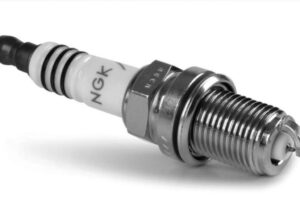
When you find oil coating your spark plugs, it’s a clear sign that oil is leaking into the spark plug wells. This oil messes with the spark plug’s ability to create a strong, consistent spark, leading to misfires, rough idling, and reduced power. The good news? The most common sources of this leak are usually manageable for the home mechanic.
From my experience, 90% of the time, the culprit is either a failing valve cover gasket or worn-out spark plug tube seals. Sometimes, both go bad around the same time. Less often, but more seriously, it could point to worn piston rings, which allow oil to burn in the combustion chamber. But let’s focus on the common fixes for oil in spark plugs first.
Here’s how you can usually fix oil in spark plugs, step by step, based on what I’ve learned:
- Diagnosis is Key: First, confirm the oil is in the spark plug wells. Pull out your spark plug wires or coil packs, then use a spark plug socket to remove a plug. If you see oil around the threads or the electrode, you’ve found your problem. Feel around the valve cover gasket for any visible oil seepage too.
- Gather Your Tools and Parts: You’ll need a socket wrench set, extensions, a spark plug socket, a torque wrench (highly recommended!), a new valve cover gasket, and new spark plug tube seals (these often come with the gasket kit, but check!). Also grab some degreaser, shop rags, and maybe some RTV silicone gasket maker (check your car’s specific requirements). Always go for good quality OEM or reputable aftermarket parts; it saves headaches later.
- Safety First, Always: Disconnect your car’s battery. Let the engine cool down completely. You’ll be working with wires, fuel lines, and hot engine parts. Safety glasses are a must!
- Removing the Valve Cover: This is the main event. Start by carefully disconnecting anything attached to the valve cover – wires, hoses, vacuum lines. Take pictures as you go! Trust me, future you will thank present you for documenting where everything goes. Labeling can also be a lifesaver. Unscrew the bolts holding the valve cover down. These might be tricky to reach, so patience is key. Once all bolts are out, gently pry the valve cover loose. Sometimes it’s stuck on there pretty good.
- Replacing the Gasket and Seals: With the valve cover off, remove the old gasket. It might be brittle and stuck on. Then, pop out the old spark plug tube seals. These are often pressed into the valve cover itself. Clean both the valve cover mating surface and the engine head surface thoroughly. Get rid of all old gasket material and oil. Use degreaser, but be careful not to get cleaner into the engine itself. Install the new spark plug tube seals into the valve cover, ensuring they sit flush. Then, place the new valve cover gasket onto the valve cover. Some gaskets have little tabs that help them stay in place.
- Reassembly: Carefully place the valve cover back onto the engine head. Start threading the bolts by hand to ensure they aren’t cross-threaded. Then, tighten them down using your torque wrench to the manufacturer’s specified settings. This is crucial! Overtightening can crack the valve cover or squish the gasket, leading to more leaks. Don’t forget to reconnect all the hoses, wires, and vacuum lines you disconnected earlier, referring to your photos if needed.
- Spark Plugs and Beyond: While you’re in there, if your spark plugs were soaked in oil, it’s a good idea to replace them. Oil-fouled plugs are often beyond cleaning and will continue to misfire. Clean out any remaining oil from the spark plug wells before installing the new plugs.
- Test Drive: Reconnect the battery. Start your car and let it idle. Check for any immediate leaks around the valve cover. Take it for a gentle test drive. Listen for misfires. The “Check Engine” light might go off on its own after a few drive cycles, or you might need to clear the code with an OBD-II scanner.
Remember, while fixing a valve cover gasket and spark plug tube seals is a common DIY task, if you’re uncomfortable or suspect a more serious issue like worn piston rings, don’t hesitate to consult a professional mechanic. Your engine will thank you for it!
So, there you have it. Addressing oil in spark plugs isn’t just about cleaning; it’s about finding and sealing the leak. Most times, it’s a job you can handle with the right tools and a little patience. Fixing this issue will help your engine run smoother, more efficiently, and bring back that peace of mind on the road. You’ve got this!