Proper spark plug gapping is absolutely critical for achieving peak engine performance and optimal fuel efficiency. An incorrectly gapped plug can lead to misfires, reduced power, and poor combustion, hindering your engine’s potential. Master the simple technique of precisely measuring and adjusting this vital gap to ensure a strong, consistent spark, unlocking your engine’s full power and longevity.
Master How to Gap a Spark Plug for Peak Engine Power
Ever felt your car running a little sluggish? Maybe it’s not accelerating quite like it used to, or perhaps your fuel economy has taken a hit? While many factors can contribute to these issues, one often overlooked but incredibly crucial component is your spark plugs. Specifically, the tiny gap on each spark plug plays a gigantic role in how efficiently your engine burns fuel and generates power.
Understanding and correctly performing this simple task can make a world of difference to your vehicle’s performance and longevity. It might sound like a job for a seasoned mechanic, but trust me, learning how to gap a spark plug is well within the reach of any DIY enthusiast. It’s a fundamental maintenance step that ensures your engine gets the perfect spark every time, leading to smoother idling, better acceleration, and improved fuel efficiency. So, let’s dive in and unlock the secrets to optimizing your engine’s power!
In this comprehensive guide, we’ll walk through everything you need to know about gapping spark plugs. We’ll cover what it is, why it’s important, the tools you’ll need, and a step-by-step process that will have you gapping like a pro. Get ready to give your engine the precise spark it deserves!
Key Takeaways
- Gapping is crucial: Ensures efficient fuel combustion and peak engine power.
- Verify OEM specifications: Always consult your vehicle’s manual for the correct gap.
- Use correct tools: A wire feeler gauge and gapping tool are essential.
- Adjust carefully: Gently bend the ground electrode to achieve the precise gap.
- Avoid electrode damage: Never force tools or stress the ceramic insulator.
- Incorrect gap causes issues: Leads to misfires, reduced power, and poor fuel economy.
- Check new plugs too: Factory gaps can be inaccurate; always verify before install.
📑 Table of Contents
- What is a Spark Plug Gap and Why Does It Matter So Much?
- Essential Tools You’ll Need to Gap Spark Plugs
- Finding the Correct Spark Plug Gap Specification for Your Vehicle
- Step-by-Step Guide: How to Gap a Spark Plug Like a Pro
- Common Mistakes to Avoid When Gapping Spark Plugs
- The Benefits of Properly Gapped Spark Plugs and When to Check Them
- Conclusion: Empowering Your Engine with a Perfect Spark
What is a Spark Plug Gap and Why Does It Matter So Much?
At its core, a spark plug’s job is to ignite the air-fuel mixture in your engine’s combustion chamber. It does this by creating an electrical arc, or spark, that jumps across a small gap between two electrodes: the center electrode and the ground electrode. This tiny space is what we call the “spark plug gap.”
The Science Behind the Spark
Think of it like a miniature lightning bolt. Your car’s ignition system sends high voltage electricity to the spark plug. When this voltage becomes high enough, it overcomes the resistance of the air in the gap, creating a powerful spark that ignites the fuel mixture. If this gap isn’t precisely set, the spark won’t be as effective, leading to a cascade of performance issues.
Impact on Engine Performance
Getting how to gap a spark plug right is critical because the size of this gap directly influences the quality of the spark. If the gap is too small, the spark might be weak or inconsistent, leading to misfires and incomplete combustion. This translates to reduced engine power, poor fuel economy, and increased emissions. On the other hand, if the gap is too wide, the ignition system might struggle to create a spark at all, especially under heavy load, causing misfires and potential damage to ignition components. A perfectly gapped spark plug ensures a strong, consistent spark, maximizing combustion efficiency and engine power.
Essential Tools You’ll Need to Gap Spark Plugs
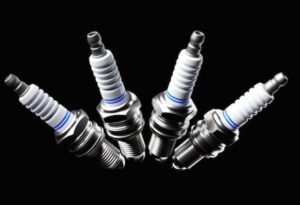
Before you even think about learning how to gap a spark plug, you need the right tools. Luckily, the required equipment is minimal and inexpensive, making this a very accessible DIY task.
- Spark Plug Gap Tool: This is the star of the show! There are two main types:
- Wire Feeler Gauge: Often considered more accurate, especially for fine wire electrodes. It consists of several wires of varying diameters.
- Disc-Style or Ramp-Style Gauge: A common, affordable option. It has a ramp or disc with incremental measurements around its edge.
I personally prefer the wire feeler gauge for precision, but either will work effectively if used carefully.
- Spark Plug Socket: A specialized socket (typically 5/8-inch or 13/16-inch) with a rubber insert to protect the ceramic insulator of the plug.
- Ratchet and Extension: To use with your spark plug socket.
- Torque Wrench: Absolutely crucial for reinstalling spark plugs correctly without over-tightening.
- Anti-Seize Compound: Recommended for spark plug threads, especially in aluminum cylinder heads, to prevent them from seizing.
- Dielectric Grease: Applied to the inside of the spark plug boot to prevent corrosion and ensure a good electrical connection.
- Gloves: To keep your hands clean and protect them.
Finding the Correct Spark Plug Gap Specification for Your Vehicle
This is arguably the most important step before you even touch a spark plug. Guessing the gap will lead to problems, not solutions. Every engine is designed for a specific spark plug gap. So, how to gap a spark plug accurately begins with knowing the right number.
Where to Look for the Specification
- Owner’s Manual: Your vehicle’s owner’s manual is the definitive source. It will list the correct spark plug type and its corresponding gap.
- Under the Hood Emission Sticker: Many vehicles have a sticker on the underside of the hood or on the radiator support that lists basic tune-up specifications, including the spark plug gap.
- Service Manual: A more detailed service or repair manual for your specific make and model will also provide this information.
- Online Resources: Reputable auto parts websites or manufacturer websites can often provide this data when you input your vehicle’s year, make, and model.
Why Pre-Gapped Plugs Still Need Checking
Don’t be fooled by spark plugs advertised as “pre-gapped.” While they might be close, manufacturing tolerances and shipping can cause slight variations. It’s always best practice to check and adjust the gap on every single new spark plug before installation. This simple step ensures you’ve mastered how to gap a spark plug perfectly for your engine.
Common Spark Plug Gap Ranges (Always check your manual!)
While specifications vary greatly by engine, here’s a general idea of common spark plug gap ranges:
| Engine Type/Fuel | Common Gap Range (inches) | Notes |
|---|---|---|
| Older V6/V8 (pre-1990s) | 0.030 – 0.040 | Typically smaller gaps |
| Modern 4-Cylinder/V6 | 0.040 – 0.050 | More common in contemporary vehicles |
| Modern V8 | 0.045 – 0.055 | Can vary widely with ignition systems |
| Turbocharged/Supercharged | 0.022 – 0.035 | Often require smaller gaps for reliable spark under boost |
| Direct Injection (GDI) | 0.028 – 0.035 | Specific requirements for precision |
Disclaimer: This table is for general reference ONLY. Always consult your vehicle’s specific owner’s manual or service guide for the precise spark plug gap specification. Using the wrong gap can harm your engine.
Step-by-Step Guide: How to Gap a Spark Plug Like a Pro
Now that you have your tools and the correct specification, let’s get down to the actual process of how to gap a spark plug. Remember, precision and patience are key!
Step 1: Unbox and Inspect the New Spark Plug
Carefully remove the new spark plug from its packaging. Inspect it for any signs of damage, such as a cracked ceramic insulator or a bent ground electrode. A damaged plug should never be installed.
Step 2: Measure the Current Gap
Using your wire feeler gauge or disc-style gauge, carefully measure the existing gap. Slide the correct size wire (or the gauge’s edge) into the gap. It should slide in with a slight drag. If it’s too loose or too tight, an adjustment is needed.
Step 3: Adjusting the Gap (Widening)
If the gap is too narrow, you need to widen it. Most spark plug gap tools have a small lever or a notch designed for this purpose. Gently pry the ground electrode away from the center electrode. Be extremely careful not to touch or bend the delicate center electrode, especially if it’s an iridium or platinum plug. Make small adjustments and re-measure frequently.
Step 4: Adjusting the Gap (Narrowing)
If the gap is too wide, you need to narrow it. Gently tap the ground electrode on a clean, hard surface (like a wooden block or the edge of your workbench). You can also use the adjustment tool to push the electrode down. Again, make very small adjustments and continuously re-measure until you reach the exact specified gap. Never apply force to the center electrode.
Step 5: Verify the Gap
Once you believe you have the correct gap, use your gauge to re-verify. The specified size should slide through with light, consistent drag. Any size larger should not fit, and any size smaller should slide through freely. This confirms you’ve mastered how to gap a spark plug correctly.
Step 6: Prepare for Installation (Optional but Recommended)
Apply a small amount of anti-seize compound to the threads of the spark plug. This prevents corrosion and makes future removal easier. Be careful not to get any on the electrodes or insulator. Also, apply a tiny dab of dielectric grease inside the spark plug boot to aid in sealing and electrical conductivity.
Common Mistakes to Avoid When Gapping Spark Plugs
Even though learning how to gap a spark plug is straightforward, there are a few common pitfalls that can lead to problems. Being aware of these can save you a lot of headaches.
- Guesstimating the Gap: Never assume the gap is correct or try to eyeball it. Always measure and adjust.
- Using the Wrong Tool: Prying with screwdrivers or other inappropriate tools can damage the delicate electrodes or the ceramic insulator. Always use a dedicated spark plug gap tool.
- Damaging the Center Electrode: The center electrode, especially on iridium or platinum plugs, is very fragile. Never put direct pressure on it. All adjustments should be made by bending the ground electrode.
- Over-Gapping or Under-Gapping: Setting the gap too wide or too narrow will negatively affect engine performance and can even lead to misfires. Precision is key!
- Forgetting to Check New Plugs: As mentioned, even “pre-gapped” plugs need checking. Don’t skip this step.
- Over-Tightening Upon Installation: Once you’ve successfully learned how to gap a spark plug, don’t ruin it by over-tightening during installation. This can strip threads, crack the cylinder head, or damage the spark plug itself. Always use a torque wrench set to your vehicle’s specification.
The Benefits of Properly Gapped Spark Plugs and When to Check Them
Taking the time to understand how to gap a spark plug and perform the task correctly offers a host of advantages for your vehicle and your wallet.
Key Benefits:
- Improved Fuel Efficiency: A strong, consistent spark ensures complete combustion, meaning you get more power from every drop of fuel.
- Enhanced Engine Performance: Smoother idle, better throttle response, and more consistent power delivery. Your car will simply run better.
- Reduced Emissions: Complete combustion produces fewer harmful pollutants.
- Longer Spark Plug Life: A properly gapped plug operates within its optimal parameters, reducing stress and wear.
- Easier Starting: A robust spark makes it easier for your engine to fire up, especially in cold weather.
When to Check Your Spark Plugs
The general recommendation is to check and replace spark plugs according to your vehicle’s maintenance schedule, typically every 30,000 to 100,000 miles, depending on the spark plug material (copper, platinum, iridium) and manufacturer recommendations. However, it’s a good idea to inspect them for wear and re-gap (if necessary and possible with the type of plug) if you notice any of these symptoms:
- Rough idling or engine vibration
- Reduced fuel economy
- Engine misfires or hesitation during acceleration
- Difficulty starting the engine
- A noticeable decrease in power
Every time you replace your spark plugs, you should follow the steps for how to gap a spark plug, regardless of whether the old plugs were worn or not. This ensures a fresh start for your ignition system.
Conclusion: Empowering Your Engine with a Perfect Spark
Mastering how to gap a spark plug is one of those incredibly satisfying DIY maintenance tasks that yields tangible results. It might seem like a small detail, but the precise setting of that tiny gap is fundamental to your engine’s health, performance, and efficiency. By investing a little time and acquiring a few inexpensive tools, you can ensure your vehicle is always getting the optimal spark it needs to run its best.
Remember, precision and patience are your best friends in this process. Always consult your vehicle’s specific manufacturer guidelines for the correct gap, and treat those delicate electrodes with care. With this knowledge in hand, you’re not just changing parts; you’re fine-tuning your engine for peak power and longevity. So go ahead, give your spark plugs the attention they deserve, and enjoy the smoother, more powerful ride that follows!
Frequently Asked Questions
What does it mean to gap a spark plug, and why is it important?
Gapping a spark plug refers to adjusting the precise distance between its center and ground electrodes. This specific gap is critical because it ensures the spark is strong and consistent enough for optimal fuel combustion, leading to efficient engine performance and fuel economy.
How do I find the correct spark plug gap specification for my specific engine?
The correct spark plug gap for your engine can typically be found in your vehicle’s owner’s manual or on an information decal located under the hood. You can also consult an automotive parts store or reliable online databases by providing your car’s make, model, and year.
What tools are essential to accurately gap a spark plug?
To accurately gap a spark plug, you’ll primarily need a specialized spark plug gapping tool. These tools typically come as wire-type gauges, ramp-style disc tools, or a set of feeler gauges, all designed to measure and carefully adjust the electrode distance.
What happens if I don’t gap a spark plug correctly?
If you don’t gap a spark plug correctly, it can lead to several engine performance issues. An incorrect gap can cause misfires, rough idling, reduced fuel efficiency, and a noticeable decrease in engine power, ultimately impacting your vehicle’s overall performance and longevity.
Do all new spark plugs need to be gapped, or are some pre-gapped?
While many new spark plugs are advertised as “pre-gapped” to common specifications, it’s always best practice to check and adjust them. Manufacturing tolerances or potential handling during shipping can sometimes alter the initial gap, so verifying it against your engine’s precise requirement is crucial.
What’s the best technique to safely adjust the gap on a spark plug without causing damage?
To safely adjust the spark plug gap, use your gapping tool to gently bend only the ground electrode, being careful to make small, incremental adjustments. Never pry on or touch the delicate center electrode, as damaging it can render the spark plug ineffective.