Don’t panic when a spark plug breaks; getting it out is often simpler than imagined if you approach it correctly. The key involves careful assessment of the damage, utilizing the right extractor tools designed for the job, and applying a touch of penetrating oil to loosen stubborn threads. With the proper technique and patience, you can successfully remove the broken plug and avoid costly professional repairs.
You’re elbow-deep in your engine bay, a triumphant grin on your face. You’re finally getting around to replacing those old spark plugs, a simple bit of maintenance you’ve been putting off. You twist, you turn, and then – SNAP! – a sickening crunch reverberates through your bones. Your heart sinks. You pull out the wrench, and there it is: only half a spark plug, the porcelain insulator and electrode nowhere to be seen, still stubbornly stuck deep in the cylinder head. Panic starts to set in. We’ve all been there, or at least imagined the horror.
That feeling of dread, the cold sweat, the immediate mental calculation of how much a mechanic will charge for this disaster – it’s a moment no DIY enthusiast wants to experience. But take a deep breath, my friend. Don’t panic! A broken spark plug isn’t the end of the world, nor does it necessarily mean an expensive trip to the repair shop. In fact, with the right tools, a bit of patience, and a steady hand, you can absolutely get that broken spark plug out yourself. Think of it as a rite of passage for any home mechanic.
This comprehensive guide is here to walk you through the process, step-by-step, just like a seasoned friend lending a hand. We’ll cover everything from preparing your workspace to using specialized tools, and even what to do if the worst happens. So, put down that phone you were about to use to call a tow truck, grab a cup of coffee, and let’s learn how to tackle this common, yet terrifying, engine mishap. You’ve got this!
Key Takeaways
- Disconnect power: Always disconnect the battery before starting any work.
- Penetrating oil is key: Generously apply and let it soak for several hours.
- Use the right tools: Invest in a specialized broken spark plug extractor kit.
- Be patient and gentle: Avoid excessive force; steady, gradual pressure works best.
- Clean thoroughly: Vacuum all debris from the cylinder before installing a new plug.
- Prevent future breaks: Use anti-seize and proper torque on new spark plugs.
The Initial Panic & Why Spark Plugs Break
That initial shock of hearing a spark plug snap is truly unsettling. It feels like you’ve just committed an irreversible sin against your beloved engine. But let’s demystify it a bit. Understanding why a spark plug breaks can actually help you approach the extraction with a clearer mind and even prevent future occurrences.
Common Causes of a Broken Spark Plug
- Over-tightening: This is probably the most common culprit. Spark plugs only need to be snug, not Hulk-tight. Excessive torque puts immense stress on the ceramic insulator and metal shell.
- Corrosion and Seizing: Over time, especially in humid environments or if plugs haven’t been changed for a long time, rust and carbon buildup can essentially weld the plug to the cylinder head. Trying to force a seized plug can easily cause it to break.
- Thermal Stress: Repeated heating and cooling cycles can weaken the ceramic, making it more brittle over time.
- Material Fatigue: Like any component, spark plugs have a lifespan. Very old plugs are more prone to breaking during removal.
- Incorrect Installation: If a plug isn’t threaded correctly or is cross-threaded initially, it can stress the material, leading to breakage upon removal.
When a spark plug breaks, usually the hex portion (where your wrench goes) and the top of the porcelain insulator come off, leaving the threaded portion and the rest of the insulator and electrode inside the cylinder head. This is the challenge we’re going to solve.
Safety First! Preparing for the Extraction
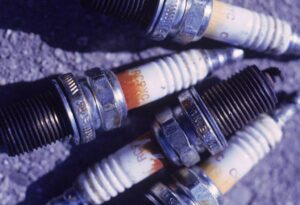
Before you even think about grabbing an extractor tool, safety and proper preparation are paramount. Working on your engine requires a careful approach to avoid injury or further damage to your vehicle. Remember, a broken spark plug is a nuisance, but rushing could turn it into a much bigger problem.
Essential Safety Precautions
- Disconnect the Battery: Always, always disconnect the negative terminal of your car battery. This prevents accidental shorts and ensures no electrical components are active.
- Allow the Engine to Cool: Never work on a hot engine. Metal expands when hot, and attempting to remove a broken spark plug from a hot cylinder head dramatically increases the risk of damage to the threads. Let the engine cool down completely, ideally overnight.
- Wear Protective Gear: Gloves protect your hands from grease and sharp edges. Safety glasses are a must to shield your eyes from debris, especially if you’re using compressed air.
- Good Lighting: A bright work light or headlamp is crucial. You need to clearly see what you’re doing inside the spark plug well.
Clearing the Area & Preventing Debris
The last thing you want is dirt, rust, or bits of broken spark plug falling into your engine’s combustion chamber. This can cause severe internal damage. Before you do anything, ensure the area around the broken spark plug is spotless.
- Compressed Air: Use an air compressor with a narrow nozzle to blow away any loose debris from around the spark plug well. Be gentle and aim away from the engine opening.
- Vacuum Cleaner: A shop vac with a narrow attachment can also be very effective for sucking up larger pieces of debris.
- Cover Adjacent Openings: If you’re working near other open ports or spark plug wells, cover them with tape or clean rags to prevent anything from falling in.
Your Toolkit: Essential Tools for the Job
You can’t fight a battle without the right weapons, and removing a broken spark plug is definitely a battle. Having the correct tools on hand will make this daunting task much more manageable and increase your chances of success. Don’t skimp on quality here; cheap tools can strip or break, compounding your problem.
Basic Tools You’ll Need
- Ratchet and Extension: To reach the spark plug well.
- Socket Set: For other engine components you might need to move.
- Pliers (needle-nose and/or locking): For gripping small pieces.
- Penetrating Oil (e.g., WD-40 Specialist Penetrant, Liquid Wrench): Absolutely critical. This helps loosen seized threads.
- Shop Towels/Rags: For cleaning and wiping.
- Flashlight/Headlamp: For clear visibility.
Specialized Spark Plug Extractor Kits
This is where the magic happens for getting that broken spark plug out. Many manufacturers make specific kits designed for this exact problem, particularly for engines known to have this issue (looking at you, certain Ford Triton engines!).
- Spark Plug Extractor Set: These kits typically include a pilot drill bit, a tap, and an extractor. The drill bit carefully drills a hole into the remaining ceramic or metal, the tap creates new threads in that hole, and then the extractor screws into those new threads, allowing you to pull the broken spark plug piece out.
- Left-Handed Drill Bits: Sometimes, the vibration from a left-handed drill bit (which drills counter-clockwise) can actually catch the remaining plug material and cause it to unscrew itself. It’s a long shot but worth a try before more aggressive methods.
- Thread Chasers/Taps: Once the broken spark plug is out, you’ll need a thread chaser to clean up the threads in the cylinder head before installing a new plug. Never use a cutting tap unless absolutely necessary, as it removes material. A chaser just cleans.
Step-by-Step: The Extraction Process
Okay, you’re prepared, you’re safe, and you have your tools ready. Now comes the moment of truth: extracting that stubborn broken spark plug. Remember, patience is your best friend here. Rushing will only lead to frustration and potentially more damage.
Step 1: Apply Penetrating Oil
This is crucial. Liberally spray a good quality penetrating oil down into the spark plug well, aiming for the threads where the broken spark plug is seized. Let it soak for a good 30 minutes, or even a few hours. For truly stubborn plugs, applying it, letting it sit, and then re-applying it several times over a day can make a significant difference. The oil works by breaking down rust and carbon buildup, allowing the threads to loosen.
Step 2: Remove the Ceramic Insulator (If Present)
Often, the ceramic insulator breaks off and is left inside the metal shell. You need to remove this before you can get to the metal.
- Small Punch/Awl: Carefully use a small punch or an awl to break up the ceramic. Be extremely gentle to avoid pushing pieces into the cylinder.
- Needle-Nose Pliers: Once broken into smaller pieces, use needle-nose pliers or a magnet to carefully extract the ceramic shards.
- Vacuum/Compressed Air: After removing as much as possible, use a shop vac to suck out any remaining small bits. A short burst of compressed air can also help, but be careful not to push debris further in.
Step 3: Using the Spark Plug Extractor Kit
This is the main event for removing the broken spark plug. Follow the instructions provided with your specific kit, as they can vary slightly.
- Drill a Pilot Hole: The kit will typically include a special pilot drill bit. Attach it to a drill and carefully drill a hole straight down the center of the remaining metal shell of the broken spark plug. Ensure you drill straight and don’t go too deep, which could damage the piston. Many kits have a depth stop.
- Tap New Threads: Once the pilot hole is drilled, use the tap provided in the kit. This tool will cut new threads into the inside of the drilled-out spark plug shell. Turn it slowly and steadily, applying a little cutting oil if recommended by the kit.
- Insert the Extractor: The extractor is a threaded bolt-like tool. Screw it into the newly tapped threads you just created in the broken spark plug piece. As you tighten it, it will grip the shell.
- Extract the Plug: With the extractor firmly seated, use a wrench or ratchet to slowly turn the extractor counter-clockwise. The goal is for the extractor to pull the broken spark plug shell out of the cylinder head. Be patient and apply steady, even pressure. If it feels stuck, try turning it slightly clockwise and then counter-clockwise again to help it work free.
Step 4: Clean the Threads & Install New Plug
Once the broken spark plug is successfully extracted, you need to clean up the cylinder head threads.
- Thread Chaser: Use a spark plug thread chaser (not a tap!) to clean out any carbon buildup or minor imperfections from the cylinder head threads. This ensures the new spark plug threads in smoothly.
- Vacuum Again: Before installing the new spark plug, give the well another quick vacuum to ensure no debris remains.
- Install New Spark Plug: Apply a small amount of anti-seize compound to the threads of the new spark plug (unless specified otherwise by the manufacturer). Hand-thread the new plug until it’s finger-tight, then use a torque wrench to tighten it to the manufacturer’s specified torque. This prevents over-tightening and future breakage.
What If It’s Still Stuck? Advanced Techniques
Sometimes, even with the right tools and patience, that broken spark plug just won’t budge. Don’t despair! There are a few more tricks up our sleeves before you have to admit defeat and call a professional. These methods require a bit more caution and experience.
Heat Cycling and More Penetrating Oil
If the plug is still stubbornly seized, a heat cycle might help.
- Careful Engine Start (Briefly): If possible (and only if you’re confident no debris will damage the engine), briefly start the engine for a minute or two. The expansion and contraction from the heat can help break the bond. Immediately shut it off, let it cool completely, and then re-apply penetrating oil and let it soak again. This thermal cycling can be very effective for a seized broken spark plug.
- Extended Soak: Sometimes, the simplest solution is more time. Let the penetrating oil soak for 24-48 hours, reapplying every few hours.
Considering a “Sacrificial” Spark Plug (Rare)
In extremely rare cases, if the threads in the head are severely damaged or the plug is welded in, some mechanics might attempt to use a sacrificial, modified spark plug as a makeshift extractor. This is highly specialized and generally not recommended for DIYers, as it carries a high risk of further damage.
When to Call a Professional
It’s important to know your limits. If you’ve tried all the methods above and the broken spark plug is still stuck, or if you’ve accidentally damaged the cylinder head threads or pushed debris into the cylinder, it’s time to call in a professional mechanic. They have specialized tools (like helicoil or timesert kits for thread repair) and expertise to handle these more complex situations. While it will cost money, it’s far cheaper than replacing a damaged cylinder head or engine block.
Prevention is Key: Avoiding Future Breakages
You’ve conquered the beast, extracted the broken spark plug, and breathed a sigh of relief. Now, let’s make sure you never have to face this particular monster again. Preventing spark plug breakage is far easier (and less stressful) than fixing it.
Best Practices for Spark Plug Installation
- Always Use a Torque Wrench: This is the golden rule. Spark plugs have specific torque specifications from the manufacturer. Over-tightening is the primary cause of breakage. A torque wrench ensures you apply just the right amount of force.
- Apply Anti-Seize (with Caution): A thin layer of anti-seize compound on the spark plug threads can help prevent seizing. However, some spark plug manufacturers (especially those with special coatings) advise against it, as it can alter the torque readings. Always check the plug manufacturer’s recommendations. If you do use it, reduce the specified torque by about 10-20% as anti-seize acts as a lubricant.
- Hand-Thread First: Always start threading the new spark plug by hand. If it doesn’t thread easily, stop immediately. Never force it, as this can cross-thread and damage the cylinder head.
- Replace at Recommended Intervals: Don’t wait until your spark plugs are ancient. Follow your vehicle manufacturer’s recommended service intervals for spark plug replacement. Newer, iridium or platinum plugs often last 100,000 miles or more, but older conventional plugs need changing more frequently.
- Work on a Cold Engine: Always install or remove spark plugs from a completely cold engine. Hot metal expands, making removal more difficult and increasing the risk of stripping threads or breaking the plug.
By following these simple preventative measures, you can dramatically reduce the chances of encountering a broken spark plug again. Think of it as investing a little time now to save a lot of headache (and money) later. Your engine, and your future self, will thank you.
Conclusion: You’re Stronger Than a Broken Spark Plug!
Phew! We’ve covered a lot, haven’t we? From that initial heart-stopping snap to the triumphant removal of a stubborn broken spark plug, you now have a comprehensive guide to tackle this common, yet often intimidating, automotive issue. Remember, the key takeaways are preparation, patience, the right tools, and a healthy respect for your engine.
That feeling of accomplishment when you successfully extract a broken spark plug yourself is truly rewarding. It not only saves you a significant chunk of change but also boosts your confidence as a DIY mechanic. You’ve proven that you can handle unexpected challenges and learn new skills. So, the next time you hear a dreaded snap, instead of panicking, you’ll remember this guide, reach for your tools, and get that broken spark plug out with confidence. Keep learning, keep fixing, and happy wrenching!
Frequently Asked Questions
What’s the very first step when I discover a broken spark plug?
Firstly, don’t panic! The immediate priority is to assess the situation and determine if any pieces, like the porcelain insulator or electrode, have fallen into the cylinder. Ensure the engine is completely cool before attempting any removal of the broken spark plug, as hot metal is more prone to damage.
What specialized tools do I need to get a broken spark plug out safely?
You’ll primarily need a spark plug extractor kit, which typically includes guide tubes, taps, and extractors designed for this specific task. A borescope (inspection camera) is also invaluable for visually checking inside the cylinder, and an air compressor can help clear debris before starting the extraction process for the broken spark plug.
Is removing a broken spark plug a DIY job, or should I call a professional mechanic?
While many experienced DIYers can successfully remove a broken spark plug with the right tools and patience, it depends on your comfort level and the specific nature of the break. If parts are deep within the cylinder or the plug is severely seized, a professional mechanic might be a safer choice to avoid costly engine damage.
What if parts of the broken spark plug have fallen into the engine cylinder?
This is a critical concern, as loose fragments can cause severe engine damage if the engine is started. Use a shop vac with a narrow hose attachment to attempt to suction out any visible pieces, and thoroughly inspect the cylinder with a borescope to confirm all debris from the broken spark plug is gone before proceeding.
My broken spark plug feels completely seized; what’s the best approach to loosen it?
For a seized broken spark plug, applying penetrating oil directly to the threads and letting it soak for several hours, or even overnight, can be very effective. Ensure the engine is cold when you apply the oil, then try gently working the extractor in small, alternating tightening and loosening movements to break the bond.
How can I prevent a spark plug from breaking during removal in the future?
Prevention is key! Always ensure the engine is completely cool before attempting any spark plug removal, as hot metal can cause seizing. Use the correct spark plug socket, apply a small amount of anti-seize compound to the new plug’s threads (if recommended), and torque them to the manufacturer’s specified setting to prevent over-tightening or seizing.