To easily remove spark plugs and avoid costly damage, always ensure the engine is cool and utilize the correct spark plug socket and extension. Apply gentle, consistent pressure with your ratchet to carefully loosen them, being mindful not to strip threads, and remember to use anti-seize on new plugs for future effortless changes.
Hey there, fellow DIY enthusiast! Ever found yourself staring at your engine, knowing it’s time to change those spark plugs, but feeling a little intimidated about actually getting them out? Trust me, you’re not alone. The good news is, learning how to get spark plugs out is a super satisfying and completely achievable DIY task. It’s one of those maintenance jobs that once you do it, you’ll wonder why you ever paid someone else to!
At its core, removing spark plugs involves a few simple steps and the right tools. We’re going to walk through it together, sharing some tricks I’ve picked up over the years. It might seem daunting at first, but with a bit of patience and the right approach, you’ll be swapping out those old plugs in no time and your engine will thank you for it!
So, what’s the secret to getting spark plugs out without a hitch?
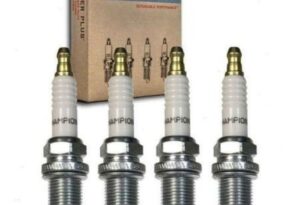
Alright, let’s dive into the nitty-gritty of how to get spark plugs out like a pro. Think of this as your personal guide, complete with lessons learned from my own garage adventures. Before we even touch a wrench, safety first!
1. Cool Down and Power Off: This is a big one. Always make sure your engine is cool to the touch. Trying to remove spark plugs from a hot engine is a recipe for stripped threads – a costly mistake I almost made once! Also, consider disconnecting your car’s battery (negative terminal first) just to be extra safe when working with electrical components.
2. Gather Your Tools: You don’t need a massive toolbox for this. Here’s what I usually grab:
- A good quality spark plug socket (usually 5/8″ or 13/16″, with a rubber insert to grip the plug).
- A ratchet (3/8″ drive is common).
- Various extensions for your ratchet (you’ll need these to reach into tight spots).
- A torque wrench (crucial for installation, but good to have handy).
- Dielectric grease (for reassembly).
- Anti-seize compound (for reassembly).
- New spark plugs (of course!).
- Sometimes, a can of compressed air or a shop vacuum comes in handy.
3. Clear the Path: Depending on your car, you might have engine covers or air intake components that need to be moved. Take your time here. Sometimes, it’s just a few bolts or clips. Then, locate your ignition coils or spark plug wires. They’ll be sitting right on top of the spark plugs.
4. Disconnect Coils or Wires: If you have ignition coils (most modern cars do), gently unplug their electrical connectors and then remove the bolts holding them down. Pull them straight up and off the spark plug. If you have traditional spark plug wires, just give them a firm, straight pull. Try to avoid tugging on the wire itself; grasp the boot. Pro tip: When I first did this, I labeled each coil/wire with a piece of tape (e.g., “Cyl 1,” “Cyl 2”) to ensure they go back in the right spot. This helps avoid misfires!
5. Clean Around the Plugs: Now, this step might seem minor, but it’s super important. Once the coils/wires are off, look into the spark plug wells. Is there any dirt, dust, or debris? If so, use your compressed air or shop vac to clean it out. You absolutely do not want that stuff falling into your combustion chamber when you pull the plug. I learned this the hard way after a tiny pebble caused a scare!
6. The Big Moment – Loosening the Plugs: This is where the spark plug socket and ratchet come in. Attach your spark plug socket to an extension and then your ratchet. Carefully insert it straight down into the spark plug well, making sure it seats fully onto the plug. You’ll feel it click. Now, apply steady, firm, counter-clockwise pressure. You should feel a distinct “crack” as the plug breaks loose. Don’t go crazy with force; sometimes a gentle increase in pressure is better than a sudden jerk. If a plug feels really stuck, you can try applying a tiny bit of penetrating oil around its base, letting it sit for an hour, and then trying again. I once had a stubborn one that almost made me give up!
7. Removing the Plug: Once it’s loose, you can often unscrew it by hand using just the extension and socket. The rubber insert in the spark plug socket will hold onto the plug, allowing you to lift it straight out of the well. Take a look at the old plug – its condition can tell you a lot about your engine’s health!
And there you have it! That’s how to get spark plugs out. The whole process is about patience and being methodical. Once you’ve successfully pulled one, the rest will feel much easier. Remember to repeat these steps for all your spark plugs.
Changing your spark plugs is a fantastic way to keep your engine running smoothly and efficiently. Don’t be afraid to get your hands a little dirty; the satisfaction of tackling this DIY task yourself is truly rewarding. Go ahead, give it a try – you’ve got this!