Installing your fuel filter is an essential DIY maintenance task made simple and safe with this guide. Learn the critical safety precautions and follow step-by-step instructions to confidently replace your filter, ensuring optimal engine performance and longevity. Empower yourself to keep your fuel system clean and prevent costly repairs.
DIY Guide How to Install Fuel Filter Simply and Safely
Hey there, fellow car enthusiast! Ever wondered about tackling a car repair yourself, but felt a little intimidated? Well, you’re in the right place! Today, we’re diving into a super important maintenance task that can save you a headache and some cash: learning how to install fuel filter. It might sound a bit complex, but trust me, with a few simple tools and some careful steps, you can absolutely do this. Think of it as giving your car’s heart a fresh start, ensuring it breathes clean fuel and runs smoothly.
I remember my first time changing a fuel filter; I was nervous but felt so accomplished afterward. It’s a fantastic way to understand your car better and gain confidence in your DIY skills. So, let’s roll up our sleeves and get your car running happily with clean fuel, because a clean fuel filter makes a world of difference!
How do I simply and safely install a fuel filter on my car, and what should I look out for?
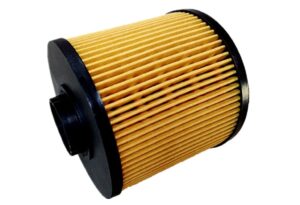
Alright, let’s get down to business! Changing your fuel filter can feel daunting, but I’m here to walk you through how to install fuel filter like a pro. A clogged fuel filter means trouble, hindering fuel flow and potentially leading to engine sputtering, poor performance, or even stalling. This little guardian keeps dirt, rust, and debris out of your engine’s delicate fuel injectors. Most manufacturers suggest changing it every 20,000 to 40,000 miles, but check your car’s owner manual for exact figures. If your car feels sluggish or struggles to start, it might be time for a change.
Here’s what you’ll need and the steps to get it done safely:
Tools and Materials You’ll Want Handy:
- A new fuel filter (make sure it’s the right one for your car!)
- Wrenches (line wrenches are best for fuel lines)
- Screwdriver set
- Drain pan or bucket
- Plenty of clean rags
- Safety glasses
- Gloves
- Fuel line clamps or plugs (optional, but very helpful for minimizing spills)
Safety First – This is Crucial!
Before you touch anything, remember you’re dealing with flammable fuel! Always work in a well-ventilated area, away from any open flames or sparks. Seriously, no smoking! My first time, I almost forgot my safety glasses – lesson learned! Also, have a fire extinguisher nearby, just in case.
Here’s the Step-by-Step Guide to Install Fuel Filter:
- Locate Your Fuel Filter: This is the first puzzle piece. It’s usually under your car, near the fuel tank, or sometimes in the engine bay. A quick search for ” [Your Car Make/Model] fuel filter location” can save you a lot of crawling around.
- Relieve Fuel Pressure: This is a critical step to prevent a fuel shower. The exact method varies, but often involves finding the fuel pump fuse or relay in your fuse box, starting the car, letting it run until it stalls, then turning off the ignition. This empties the fuel lines. Once, I skipped this on an old truck and had fuel spray everywhere – don’t be like me!
- Disconnect the Battery: Always disconnect the negative (-) terminal first. This prevents any accidental sparks while you’re working.
- Prepare for Spills: Place your drain pan directly under the fuel filter. Even with pressure relieved, some fuel will leak out. Have those rags ready!
- Disconnect the Old Filter: Using your wrenches, carefully loosen the fuel lines connected to the filter. Be gentle – these lines can be fragile. Pay close attention to the direction of the fuel flow indicated by an arrow on the filter. You’ll want to install the new fuel filter in the same orientation. Some filters have quick-disconnect clips; these require a special tool or a bit of finesse with a screwdriver to release.
- Remove the Old Filter: Once disconnected, remove any mounting brackets or clamps holding the filter in place and take it out. Drain any remaining fuel from the old filter into your pan.
- Install the New Fuel Filter: Now, you’re ready to install the new fuel filter. Make sure the arrow on the new filter points in the correct direction of fuel flow (towards the engine). Secure it into its mounting bracket. Reconnect the fuel lines, tightening them just enough to be snug, but don’t overtighten, which can strip threads or damage lines. If new O-rings or clips came with your filter, use them!
- Reconnect the Battery: Once everything is secure, reconnect the negative (-) battery terminal.
- Prime the Fuel System: Before starting the car, turn the ignition key to the “on” position (without starting) for a few seconds, then turn it off. Repeat this 2-3 times. This allows the fuel pump to push fuel back into the lines and fill the new filter, helping it start smoothly.
- Check for Leaks: Start your car and let it idle for a few minutes. Carefully inspect around the new fuel filter for any signs of leaks. If you see drips, shut the car off immediately and re-tighten the connections.
- Test Drive: If no leaks are present, take your car for a short test drive to ensure everything is running smoothly. Listen for any strange noises or signs of trouble.
See? That wasn’t so bad, was it? Learning how to install fuel filter is a rewarding DIY task. By taking your time, prioritizing safety, and following these steps, you’ll confidently be able to install fuel filter and enjoy the satisfaction of a job well done, all while helping your car run cleaner and more efficiently. Happy driving!