Protect your engine by recognizing the critical signs that indicate your oil filter needs changing. Key indicators include a sudden drop in oil pressure, visible exhaust smoke, unusual engine noises like knocking or ticking, and a noticeably dirty or gritty oil appearance on the dipstick. Don’t wait for engine damage; address these warnings promptly to maintain performance and extend your vehicle’s life.
Spot the signs how to know if oil filter needs changing
Ever wonder about those little unsung heroes under your car’s hood? The oil filter is definitely one of them! Just like your car needs fresh oil to run smoothly, it also needs a clean oil filter to keep that oil sparkling and doing its job. But how do you really know if your oil filter needs changing? It’s a common question, and honestly, it’s not always obvious until you know what to look for.
Think of it like this: your car’s engine is its heart, and the oil is its blood. The oil filter? That’s like the kidney, cleaning out all the junk! A clogged filter can slowly starve your engine of the clean oil it desperately needs. Luckily, spotting the signs isn’t rocket science, and knowing them can save you a big headache (and a lot of money) down the road.
How can you tell if your oil filter needs changing?
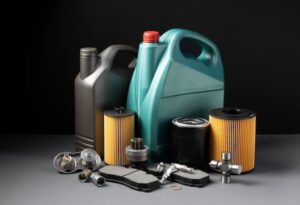
Okay, let’s dive into the nitty-gritty. Most times, your oil filter needs changing every time you get an oil change, which is typically every 5,000 to 10,000 miles, or every six months to a year, depending on your car and the type of oil you use. Always check your car’s owner manual for the specific recommendation – that’s your best friend for maintenance! However, sometimes life happens, and a filter can get clogged sooner than expected. Here’s what to look out for:
- Sluggish Engine Performance: Have you noticed your car feeling a bit tired lately? Like it’s not quite as peppy as usual? A dirty oil filter can restrict the flow of clean oil to your engine. When the engine isn’t getting enough clean oil, it has to work harder. This often shows up as reduced acceleration or a general sluggish feeling. I remember my old sedan started feeling like it was dragging an anchor, and turns out, the filter was incredibly clogged. Getting a new one felt like getting a new car!
- Rough Idling or Stalling: When your car is sitting still, is the engine rumbling more than usual or feeling shaky? A severely clogged filter can lead to improper lubrication, causing components to grind or labor. This can make your car idle roughly, or in extreme cases, even stall out. This is a pretty serious sign that your oil filter needs changing ASAP.
- Warning Lights on Your Dashboard: This is a big one! If your oil pressure warning light comes on, don’t ignore it. While it can signal various issues, a blocked oil filter is a common culprit. The filter might be so packed with gunk that oil can’t pass through easily, leading to dangerously low oil pressure. Your engine needs consistent oil pressure to prevent catastrophic damage.
- Metallic Sounds from the Engine: This is a terrifying sound for any car owner! A ticking, knocking, or clunking sound coming from your engine usually means something isn’t getting enough lubrication. If your filter is choked, vital engine parts aren’t getting that smooth coat of oil they need to glide friction-free. This friction creates those awful metallic noises. If you hear this, pull over safely and get your car checked immediately – your oil filter needs changing, and possibly more.
- Visible Oil Leaks: Sometimes, a completely clogged filter can cause pressure to build up to the point where it pushes past seals, or even around the filter housing itself. You might see puddles under your car, or greasy spots on the engine. While many things can cause oil leaks, a problematic filter is definitely one to consider. My friend once found oil spots and thought it was a major engine issue, but a quick filter swap solved it!
- Dark, Gritty Oil (Even After a Recent Change): When you check your oil with the dipstick, it should be a clear, golden amber color (if new) or a translucent brown. If it looks very dark, sludgy, or even gritty, it means your oil filter isn’t doing its job effectively. It’s letting contaminants circulate, or it’s so full that it can’t clean the fresh oil. This is a strong indicator your oil filter needs changing.
Remember, while these signs can point to a filter issue, they can also point to other car troubles. The key is never to ignore them. Regular maintenance, especially timely oil and filter changes, is truly the best defense. It’s inexpensive preventative care that keeps your engine humming happily for years.
So, the next time you’re wondering about your car’s health, give a thought to that little oil filter. Keeping an eye (and an ear!) out for these clues means you’ll know when your oil filter needs changing and can save you from bigger problems down the road. It’s all about listening to what your car is trying to tell you and taking proactive steps to keep it in tip-top shape. Happy driving!