Opening a stubborn oil filter and avoiding a mess is entirely achievable with the right approach and tools. This guide offers straightforward techniques to effortlessly remove used filters, ensuring a clean workspace and preventing frustrating oil spills. Master simple methods to make your next oil change smoother and significantly tidier.
Hey everyone! Changing your own oil is a fantastic way to save money and truly get to know your car. But let’s be honest, that dreaded moment of opening an oil filter can sometimes feel like wrestling an octopus, often ending in a greasy disaster. Been there, done that more times than I care to admit! But don’t worry, I’ve picked up a few tricks over the years to make this task much, much easier and cleaner. So, if you’re wondering how to open an oil filter smoothly and without a mess, you’re absolutely in the right place.
How to Open an Oil Filter Easily and Without a Mess
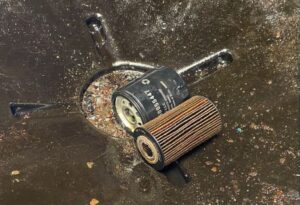
Q: So, what’s the secret to opening an oil filter without all the usual fuss and mess?
A: Ah, my friend, the secret lies in a combination of preparation, the right tools, and a bit of technique. Trust me, once you get the hang of it, you’ll wonder why you ever struggled before. Let me walk you through my tried-and-true method, drawing from countless oil changes in my own garage.
First off, preparation is paramount. You really want to make this as smooth as possible. I always start by running the engine for just a few minutes. Not long enough for it to get super hot and burn you, but just enough to warm up the oil a bit. Warm oil flows much better, making both draining and opening an oil filter significantly easier. Then, make sure your car is safely lifted and secured on jack stands. Never, ever rely solely on a jack!
Next, gather your arsenal of tools. This is crucial for a mess-free job:
- An appropriately sized oil drain pan. Get a big one; you don’t want it overflowing.
- The right oil filter wrench. This is often where people go wrong. Forget those cheap strap wrenches if your filter is really stuck. I swear by a good quality cap-style wrench that fits your specific filter perfectly, or a sturdy jaw-style wrench (like pliers) that grips the filter housing.
- Plenty of clean rags or shop towels.
- New oil and a new oil filter, of course.
- Gloves (nitrile gloves are great for keeping your hands clean).
- Safety glasses. Oil drips are no fun in the eyes.
Now, let’s get down to the dirty work, cleanly:
1. Drain the old oil first. This is a step many overlook when focusing on the filter, but it’s essential for a clean filter removal. Position your drain pan under the oil pan drain plug. Remove the plug and let all the old oil drain out. Don’t rush it; let it drip for a good 10-15 minutes. While it’s draining, you can prep your new filter by lightly coating its rubber gasket with a thin film of fresh oil. This ensures a good seal and makes future removal easier.
2. Position your drain pan for the filter. Once the oil pan is mostly drained, move your drain pan directly under the oil filter. This is where most people make a mess, including my younger self! Even after the main drain, the filter itself holds a surprising amount of oil.
3. Use the right wrench to loosen. Attach your chosen oil filter wrench. Turn it counter-clockwise to loosen the filter. That initial break might be a bit stiff, so don’t be afraid to apply steady pressure. Once it turns about a quarter or half-turn and breaks free, you can usually remove the wrench.
4. Hand-loosen slowly and deliberately. Now, here’s where the magic happens for a clean removal. Slowly turn the filter by hand, counter-clockwise. As it loosens, oil will start to seep out and drip into your pan. Don’t just yank it off! Continue turning slowly. As you do, you can even gently tilt the filter slightly downwards as it detaches. This helps guide the remaining oil directly into your pan rather than letting it run down your engine block.
5. Remove completely and clean up. Once the oil flow slows down significantly, you can fully unscrew the filter and drop it into the drain pan (or an empty container). Use a clean rag to wipe the filter mounting surface on the engine, ensuring there’s no old gasket material stuck on. A clean mating surface is vital for a good seal with your new filter.
Installing the new filter is pretty straightforward: just spin it on clockwise by hand until it’s snug, then give it another half to three-quarters of a turn. Remember: hand-tight is usually sufficient for oil filters; no need to overtighten with a wrench! I learned that lesson when trying to remove a filter someone else had cranked on with a wrench – it was a true battle!
See? Opening an oil filter doesn’t have to be a messy nightmare. With a little preparation, the right tools, and knowing these simple tricks, you can tackle this task with confidence and keep your garage floor (and yourself) clean. Happy wrenching!