Properly priming your fuel filter after replacement is critical for optimal engine performance and longevity. Air trapped in the fuel system can lead to starting difficulties, rough idling, or even engine damage. Ensure a smooth, powerful ride by meticulously following the correct priming procedure—whether it’s using a primer bulb, cycling the ignition, or bleeding the system—to guarantee uninterrupted fuel flow.
How to Essential Tips How To Prime Fuel Filter For Peak Performance
Quick Answers to Common Questions
Why do I need to prime the fuel filter?
Priming your fuel filter is crucial because it purges air from the fuel system after a new filter is installed. This ensures a smooth, continuous flow of fuel to your engine, preventing frustrating sputtering or a no-start condition.
How do I know if my fuel filter needs priming?
You’ll typically know your fuel filter needs priming if, after replacing it, your engine cranks but won’t start, or it starts briefly and then sputters and dies. These are classic symptoms of air trapped in the fuel lines.
What’s the easiest way to prime a fuel filter?
For many modern vehicles, simply turning the ignition to the “on” position (without starting) a few times will allow the electric fuel pump to automatically prime the fuel filter. Some older diesels might require manually pumping a primer bulb or using a hand pump.
Do all cars need their fuel filter primed after replacement?
While many modern gasoline vehicles are self-priming, nearly all diesel engines and some specific gasoline models absolutely require proper priming of the fuel filter. Always consult your vehicle’s owner’s manual for the exact procedure.
What happens if I don’t prime the fuel filter?
If you don’t adequately prime your fuel filter, air trapped in the fuel system can prevent your engine from starting at all or cause it to run very roughly. This can also put unnecessary strain on your fuel pump, potentially shortening its lifespan.
Why This Matters / Understanding the Problem
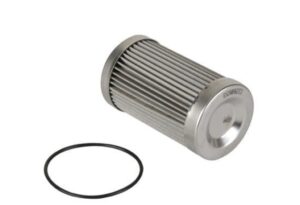
Hey there, ever found yourself after a routine maintenance task, only to have your engine sputter and refuse to start? It’s frustrating, right? Maybe you just changed your fuel filter, feeling proud of your DIY spirit, and then… nothing. Or worse, it starts, but runs rough, like it’s struggling for breath.
That feeling of dread? I’ve been there, more times than I care to admit. The culprit, often enough, is air in your fuel system. When you replace a fuel filter, especially in a diesel engine, you introduce air into the lines. And air, my friend, is not fuel. Your engine needs a steady, air-free flow of fuel to run smoothly and efficiently.
That’s where priming comes in. Priming your fuel filter isn’t just a step; it’s a critical process to ensure your engine gets that pure, uninterrupted fuel supply. It’s about purging that pesky air and setting your system up for success. We’re talking about getting your vehicle to operate at its absolute best, and that includes understanding these Essential Tips How To Prime Fuel Filter For Peak Performance.
Ignoring this step can lead to hard starting, rough idling, reduced power, and even potential damage to your fuel pump or injectors down the line. Trust me, a few minutes spent priming can save you a whole lot of headache and money later. Let’s dive into how you can tackle this crucial task like a pro.
What You Need
Before we get our hands dirty, let’s gather our supplies. You don’t need a whole workshop, just a few key items. Think of it like preparing for a simple home project.
- New Fuel Filter: Obviously, make sure it’s the correct one for your vehicle. Double-check the part number!
- Wrench or Socket Set: For removing and tightening the filter housing or fittings.
- Drain Pan: To catch any residual fuel when removing the old filter. Safety first!
- Clean Rags or Shop Towels: Fuel can be messy, and you want to keep things tidy.
- Safety Glasses and Gloves: Protect your eyes and hands from fuel and grime.
- Fresh Fuel (Optional, but Recommended): Some systems benefit from pre-filling the new filter.
- Primer Pump (Specific to some diesel systems): If your vehicle has a manual hand primer, you’ll be using it.
- Flashlight or Headlamp: It can be dark down there, even in daylight.
Having these items ready will make the whole process much smoother and help you effectively apply these Essential Tips How To Prime Fuel Filter For Peak Performance.
Step-by-Step Guide to Essential Tips How To Prime Fuel Filter For Peak Performance
Okay, you’ve got your tools. Now let’s walk through the process. Remember, every vehicle is a little different, but these core principles will guide you. I’m focusing on a common scenario, often found in diesel engines, where manual priming is more critical.
Step 1: Safety First & Locate Your Fuel Filter
Before doing anything, make sure your vehicle is off and the parking brake is engaged. If working on a diesel, consider disconnecting the battery for extra peace of mind, especially if you’re dealing with electrical components. Safety truly comes first.
Now, locate your fuel filter. It’s usually in the engine bay, but sometimes it can be underneath the vehicle. Consult your owner’s manual if you’re unsure. Once you find it, take a moment to understand how it’s connected – look for inlet and outlet lines.
Step 2: Remove the Old Filter and Install the New One
Place your drain pan beneath the old filter. Carefully loosen the fittings or housing that hold the filter in place. Be prepared for a small amount of fuel to spill out. Once loose, remove the old filter. Pay attention to any O-rings or gaskets; you’ll need to replace these with the new ones that come with your new filter.
Before installing the new filter, here’s a crucial tip: pre-fill the new filter with clean fuel. This significantly reduces the amount of air you’ll need to purge. If you can’t pre-fill it (some designs don’t allow it), don’t worry, the priming steps will still work. Lube new O-rings with a dab of clean fuel to ensure a good seal. Install the new filter, making sure it’s snug but don’t overtighten it – you don’t want to crack the housing.
Step 3: Begin the Priming Process (Manual Pump Method)
This step is where the magic happens for many diesel systems. Look for a small hand pump or plunger on top of or near your fuel filter housing. This is your manual primer.
Start pumping it. You’ll likely feel very little resistance at first, maybe even hear some gurgling. This is the air moving! Keep pumping. You’ll notice the resistance increase as the air is pushed out and fuel starts to fill the filter and lines. Some systems have a clear bleed screw; if yours does, open it slightly while pumping until a steady stream of fuel (without air bubbles) comes out, then close it. Continue pumping until the primer feels firm and you can’t easily push it down anymore. This indicates the system is full of fuel.
Step 4: Priming (Key Cycling Method for Electric Pumps)
For vehicles with electric fuel pumps (common in gasoline engines, and some modern diesels), the process is often simpler. You won’t have a manual primer pump. Instead, the electric fuel pump does the work.
After installing the new filter, get into the driver’s seat. Turn the ignition key to the “ON” position (don’t start the engine) and leave it there for about 10-15 seconds. You should hear a humming sound – that’s your fuel pump. It’s building pressure and pushing fuel through the system, hopefully expelling air. Turn the key off, wait a few seconds, then repeat this “key cycling” process 3-5 times. This gives the pump time to push fuel through and purge any air bubbles.
Step 5: Attempt to Start the Engine & Check for Leaks
Now comes the moment of truth. Try to start your engine. It might take a little longer than usual to crank, and it might stumble a bit before settling into a smooth idle. If it starts, let it run for a few minutes. While it’s running, carefully check around the new fuel filter for any signs of leaks. A few drips are okay initially, but a continuous leak is a problem and needs to be addressed immediately by tightening connections.
Step 6: Re-prime if Necessary
If your engine struggles to start or runs rough, don’t panic. Turn it off, and repeat the priming process (either manual pumping or key cycling) again. Sometimes it takes a couple of rounds to get all the air out. Be patient. Listening to your engine and paying attention to these Essential Tips How To Prime Fuel Filter For Peak Performance will guide you.
Pro Tips & Common Mistakes to Avoid
Through my years of tinkering, I’ve picked up a few extra nuggets of wisdom and learned from some classic blunders. Here are some insights to help you even further:
Pro Tip 1: Pre-fill Whenever Possible. Seriously, if your filter design allows it, pre-filling with clean fuel before installation is a game-changer. It minimizes the air you need to purge and makes priming much faster. I remember one cold morning, skipping this step, and spending an extra 15 minutes just pumping. Never again!
Pro Tip 2: Listen for the Pump. If you’re key cycling, pay attention to the sound of your electric fuel pump. A consistent hum means it’s working. If you hear a high-pitched whine or nothing at all, you might have another issue, or it’s really struggling with a lot of air.
Common Mistake 1: Overtightening. It’s easy to think “tighter is better” with fuel connections. But overtightening can strip threads, crack plastic housings, or damage O-rings, leading to leaks. Snug, then a quarter turn is usually sufficient. Consult your vehicle’s torque specs if you have them.
Common Mistake 2: Skipping the Bleed Screw. On systems that have a bleed screw (often on diesel filters), neglecting to open it during manual priming means you’re fighting against a closed system. You won’t get all the air out efficiently. Use it!
Common Mistake 3: Impatience. This isn’t a race. Priming takes time. If your engine doesn’t start right away or still idles rough, don’t just keep cranking endlessly. Stop, re-prime, and give the system another chance to clear itself. Constant cranking can strain your starter and battery.
Following these Essential Tips How To Prime Fuel Filter For Peak Performance, along with these pro insights, will help you avoid frustrating setbacks.
FAQs About Essential Tips How To Prime Fuel Filter For Peak Performance
Q1: How often should I prime my fuel filter?
A: You should prime your fuel filter every single time you replace it. It’s a non-negotiable step in the filter replacement process to ensure proper engine function and longevity. No need to prime otherwise.
Q2: Can I damage my engine by not priming the fuel filter?
A: Yes, absolutely. Air in the fuel system can cause your engine to run lean, leading to reduced performance and potential damage to fuel injectors or the fuel pump itself. It can also make your engine difficult or impossible to start, putting strain on your starter motor.
Q3: Is priming different for gasoline vs. diesel engines?
A: Generally, yes. Diesel engines often require more active, manual priming (like a hand pump or specific bleed procedures) because they rely on higher compression and very precise fuel delivery. Gasoline engines with electric fuel pumps usually prime themselves by key cycling, as the pump builds pressure and purges air automatically.
Q4: My engine still won’t start after priming. What should I do?
A: Don’t give up! First, repeat the priming process a couple more times. If that doesn’t work, check all your fuel line connections for leaks. Ensure you have enough fuel in your tank. If you pre-filled the filter, make sure you used clean fuel. Sometimes, a clogged fuel line elsewhere or a faulty fuel pump might be the underlying issue, but start by re-priming thoroughly.
Q5: How do I know if all the air is out of the system?
A: For manual priming, the pump will feel firm, and if you have a bleed screw, you’ll see a steady, bubble-free stream of fuel. For key cycling, a consistent hum from the fuel pump and the engine starting and idling smoothly without hesitation are good indicators. Trust your ears and the engine’s behavior!
Q6: Should I add a fuel additive when I change my filter?
A: While not directly related to priming, it’s often a good time to add a quality fuel system cleaner or conditioner, especially if you’re experiencing performance issues. Just be sure to use products compatible with your vehicle’s fuel type (gas or diesel).
Q7: Can a partially blocked fuel filter cause priming issues?
A: A partially blocked old fuel filter wouldn’t cause priming issues after replacement (as you’re putting a new one in). However, a severely clogged filter can mimic symptoms of air in the lines before replacement. The new filter should resolve the blockage, but proper priming ensures the new system is truly clear and ready for peak performance.
Final Thoughts
See? It’s not as daunting as it might seem. Priming your fuel filter is a vital, yet often overlooked, part of routine maintenance. By following these Essential Tips How To Prime Fuel Filter For Peak Performance, you’re not just ensuring your engine starts; you’re actively contributing to its longevity and efficiency.
Think of it as giving your engine a fresh start after a crucial component change. You’ll avoid those frustrating rough starts and maintain that smooth, reliable performance you expect from your vehicle. Take your time, be thorough, and don’t hesitate to refer back to these steps. Your engine will thank you for it!
“`