Properly gapping your spark plugs is absolutely critical for peak engine performance and fuel efficiency. An incorrectly gapped plug can lead to misfires, reduced power, and poor fuel economy, severely compromising your vehicle’s reliability. Always consult your manufacturer’s specifications and use the correct gapping tool to ensure precise adjustment for a strong, consistent spark.
Mastering How To Properly Gap A Spark Plug For Optimal Engine
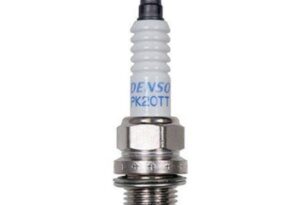
Hey friends! Ever wondered about those little metal bits under your hood that help your engine roar to life? We’re talking about spark plugs! And getting them just right – what we call “gapping” them – is a small but mighty step that makes a huge difference in how your car runs.
Think of it like tuning a guitar string. A tiny adjustment can change everything from a smooth hum to a jarring noise. Properly gapping your spark plugs means your engine gets a consistent, strong spark. This leads to a smoother idle, better fuel efficiency, and a happier engine overall. It might sound technical, but trust me, learning how to properly gap a spark plug is totally doable!
So, how exactly do you properly gap a spark plug and what do I need to know?
Alright, let’s dive into the nitty-gritty of how to properly gap a spark plug. It’s less about brute strength and more about gentle precision. Here’s what you need to know, step-by-step, shared from my own garage adventures:
First, Gather Your Tools:
- New Spark Plugs: Always start fresh!
- Spark Plug Gap Tool: I highly recommend the wire-style gapping tool for accuracy, crucial for properly gapping a spark plug. The coin-style works for a quick check too.
- Your Vehicle’s Owner’s Manual: This is your holy grail for the correct gap specification! Don’t guess.
- Spark Plug Socket and Ratchet: For safely removing and installing the plugs.
- Anti-Seize Compound (Optional but Recommended): A tiny dab on the threads helps future removal.
The Gapping Process – Step-by-Step:
1. Find the Right Gap Spec: This is probably the most crucial step. Seriously, don’t skip it! Open your owner’s manual or look for a sticker under the hood (often on the radiator support or hood itself). It will tell you the exact gap measurement for your specific engine, usually in thousandths of an inch (e.g., 0.044 inches).
Personal Tip: I once helped a friend who guessed the gap, and his car ran rough. We checked his manual, found the right spec, and re-gapped them. Instant improvement! Always trust the manufacturer’s spec.
2. Inspect the New Spark Plug: Don’t just assume new plugs are perfectly gapped from the factory. They often get jostled during shipping. Before you do anything else, visually check the plug. Make sure the porcelain insulator isn’t cracked and the electrodes look clean and undamaged.
3. Measure the Current Gap: Take your spark plug gap tool. Carefully slide the correct gauge wire or the edge of the coin tool between the center electrode and the ground electrode (that’s the little arm that bends over the top). It should slide in with a slight, consistent drag – not too tight, not too loose. If it slides right through without touching, the gap is too wide. If it doesn’t fit at all, it’s too narrow.
4. Adjusting the Gap (Gently!): This is where you become a surgeon, not a mechanic swinging a hammer.
- If the Gap is Too Small: Use the notch or bent edge on your gapping tool to very gently pry the ground electrode upward, away from the center electrode. Do this in tiny increments. Never, ever pry on the center electrode itself – you can damage the plug!
- If the Gap is Too Wide: Find a clean, hard, flat surface (like a workbench or a sturdy piece of wood). Gently tap the end of the ground electrode on the surface. This will slowly close the gap. Again, tiny taps, tiny adjustments.
Personal Tip: It’s always better to start with a slightly smaller gap and widen it, than to have a too-wide gap and try to close it perfectly. Adjusting wide gaps can sometimes be tricky without bending the ground electrode unevenly. Patience is your best friend here!
5. Re-measure and Repeat: After each adjustment, re-measure the gap. Keep adjusting in small steps until the gap tool slides through with that perfect, light drag. Once you’ve got one perfect, repeat this process for all your new spark plugs. Consistency across all plugs is key for your engine’s smooth operation.
6. A Quick Note on Installation: Once they’re gapped, a tiny bit of anti-seize on the threads (not on the electrodes!) will make future spark plug changes much easier. Don’t overtighten them when installing – just snug them up according to your manual’s torque specs.
See? It’s not rocket science! By carefully following these steps on how to properly gap a spark plug, you’re investing in your engine’s health and your driving pleasure.
Conclusion
Taking a few extra minutes to properly gap a spark plug before installation can genuinely transform your vehicle’s performance. It’s a simple DIY task that empowers you to keep your engine running its best, offering better fuel economy, a smoother ride, and extending the life of your ignition components. Mastering how to properly gap a spark plug is a skill worth having. So, next time you’re swapping out those plugs, remember these tips and gap them with confidence!