To safely remove a seized spark plug and prevent costly engine damage, patience and the right technique are paramount. Begin with generous applications of high-quality penetrating oil, letting it soak extensively, and consider using controlled heat cycles to help break the bond. Always use the correct spark plug socket and apply steady, increasing pressure, reversing direction slightly if resistance is met, to gradually loosen the plug without stripping.
How to Remove a Seized Spark Plug Without Stripping Safely
Ever been there? You’re just trying to do a simple tune-up, change out those old spark plugs, and then… *thunk*. One just won’t budge. It feels like it’s welded in place. Don’t panic! A seized spark plug can be intimidating, but with the right approach and a healthy dose of patience, you can absolutely remove a seized spark plug without stripping it and save yourself a lot of headache (and money). It’s all about understanding what’s happening and applying the right techniques gently.
Removing a seized spark plug is a task that often requires more finesse than force. I’ve been in that exact spot, sweating in the garage, wondering if I’d have to take my car to a mechanic for something that seemed so simple. But with these steps, which I’ve used successfully myself, you’ll be well-equipped to tackle this tricky situation safely.
How do I safely remove a seized spark plug without stripping the threads, and what tools and techniques should I use?
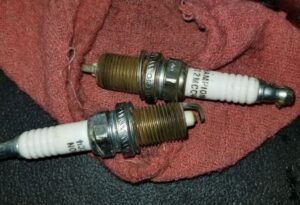
Dealing with a seized spark plug is a common challenge, often caused by rust, carbon buildup, or incorrect installation torque. Here’s how you can approach it, step by step, drawing from my own experiences:
- Safety First, Always!Before you even touch a wrench, make sure your engine is completely cool. Seriously, give it plenty of time to sit, preferably overnight. Trying to remove a seized spark plug from a hot engine increases the risk of damaging the cylinder head threads, which is a much bigger problem. Disconnect your battery too, just to be safe.
- Gather the Right Tools: Your ArsenalYou’ll need a few key items. Don’t skimp here. Get a good quality spark plug socket (the correct size, usually 6-point, not 12-point, to avoid rounding), an extension, and a ratchet. You’ll also want a can of good penetrating oil (not WD-40 – I learned that the hard way; WD-40 is a water displacer, not a true penetrating oil. Look for brands like PB Blaster, Liquid Wrench, or Kroil). A torque wrench for installation later, and an air compressor or can of compressed air are also handy.
- Clear the Area: A Clean StartUse compressed air to blow away any dirt, debris, or carbon from around the spark plug well. You don’t want this stuff falling into your cylinder once the plug starts to loosen.
- Apply Penetrating Oil: The “Soak and Wait” MethodThis is arguably the most crucial step. Spray a generous amount of penetrating oil directly into the spark plug well, making sure it gets around the base of the plug. Now, walk away. Seriously. Let it soak for at least a few hours, or even better, overnight. I’ve often applied it in the evening and come back in the morning. This gives the oil time to creep into those tight threads and break down the corrosion. Reapply it a few times if you can.
- The Heat Trick (Carefully!)Sometimes, after soaking, the plug still won’t budge. My trick? Warm up the engine slightly. You can run the engine for just a minute or two, or if you have a heat gun, carefully apply heat around the spark plug well (not directly on the plug itself). The idea is to expand the aluminum cylinder head very slightly, which can help break the plug’s grip. Let it cool for a bit, then reapply penetrating oil and let it soak again.
- The “Back-and-Forth” Dance: Gentle PersuasionAttach your spark plug socket to your ratchet. Apply very light pressure, trying to turn the plug clockwise (tightening) just a tiny bit – I mean, a hair. This can help break the corrosion bond. Then, try to loosen it counter-clockwise. The key here is tiny, gentle turns, working it back and forth. You’re not trying to muscle it out. If it moves even a fraction, spray more penetrating oil, turn it a tiny bit further, then tighten it back a hair, then loosen again. Think of it as slowly “working” the threads free. If you feel extreme resistance or hear a creaking sound, stop immediately. You’re risking stripping.
- Patience is a Virtue: My Personal MantraI cannot stress this enough: take your time. This isn’t a race. Rushing this step is how you end up with stripped threads and a much bigger problem. If it’s not moving, reapply penetrating oil, wait longer, try the heat trick again. Sometimes, it takes multiple rounds of soaking and gentle wiggling.
- Installation (Preventing Future Seizures)Once you finally get the seized spark plug out, celebrate a little! Before installing the new plug, put a tiny dab of anti-seize compound on the threads. This is crucial. Also, use a torque wrench to tighten the new plug to the manufacturer’s specifications. Overtightening is a common cause of seized spark plugs in the first place.
Remember, the goal is gradual progress, not brute force. If, after all these steps, the spark plug still refuses to budge and you’re genuinely worried about stripping it, it’s okay to call in a professional. Sometimes, specialized tools or a different approach by an experienced mechanic are the safest bet. But more often than not, patience and penetrating oil will win the day!