Removing seized spark plugs demands a meticulous, patient approach to prevent costly engine damage to your engine. This ultimate guide details using the right tools, liberal application of penetrating oil, and strategic heat cycles to safely and successfully extract stubborn plugs without further complications.
How to Ultimate guide how to remove seized spark plugs safely
Ever been there? You’re just trying to do a routine tune-up, perhaps replace those old spark plugs, and then BAM! One of them just won’t budge. It feels like it’s welded in place. Trust me, it’s a frustrating, and frankly, scary moment. The fear of stripping threads or, even worse, breaking a spark plug off in the cylinder head is real. It can turn a simple DIY job into a massive, expensive headache.
But don’t panic! I’ve been in that exact spot more times than I care to admit. Over the years, I’ve learned a few tricks and techniques to tackle this common problem head-on. This isn’t just about pulling harder; it’s about patience, the right tools, and a bit of know-how. This Ultimate guide how to remove seized spark plugs safely is designed to walk you through the process, helping you avoid costly mistakes and get your engine running smoothly again. We’re going to break down how to remove seized spark plugs safely, just like I’d explain it to a friend over coffee.
Why This Matters / Understanding the Problem
Why do spark plugs seize anyway? Well, it’s often a combination of factors. Heat cycles can cause the metal of the spark plug and the cylinder head to expand and contract, leading to a tight grip. Corrosion from moisture or dissimilar metals (like an aluminum head and a steel spark plug) can create a stubborn bond. Sometimes, it’s simply a matter of the spark plug being over-tightened during its last installation, or anti-seize not being used.
Ignoring a seized spark plug isn’t an option. If you can’t replace it, your engine’s performance will suffer, and you might even face misfires or reduced fuel economy. But forcing it out can lead to far worse problems, like damaged threads in the cylinder head, or a broken plug which requires specialized extraction. That’s why following an Ultimate guide how to remove seized spark plugs safely is so crucial.
What You Need
Before you dive in, let’s get our arsenal ready. Having the right tools makes all the difference when you’re trying to remove seized spark plugs safely.
- Spark Plug Socket Set: Make sure you have the correct size (usually 5/8″, 13/16″, or 9/16″). A deep-well, 6-point socket is best to avoid stripping the plug.
- Ratchet and Breaker Bar: The breaker bar gives you extra leverage.
- Penetrating Oil: This is your secret weapon. Brands like PB Blaster, Liquid Wrench, or Kroil are excellent. Avoid using WD-40 here; it’s not a true penetrating oil.
- Compressed Air and Air Nozzle: Essential for cleaning the area.
- Torque Wrench: Absolutely critical for reinstallation to prevent future seizing.
- Anti-Seize Compound: A small amount on new spark plug threads prevents future headaches.
- Gloves and Eye Protection: Safety first, always!
- Shop Rags or Towels: To clean up any spills.
- Flashlight or Work Light: To see what you’re doing, especially in tight engine bays.
Step-by-Step Guide to Ultimate guide how to remove seized spark plugs safely
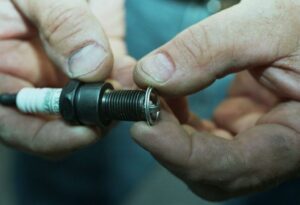
Alright, let’s get into the nitty-gritty. This process requires patience and a delicate touch. Remember, slow and steady wins the race when you want to remove seized spark plugs safely.
Step 1: Gather Your Tools and Prep the Area
First things first, make sure your engine is cool. Working on a hot engine is not only dangerous but can also make seizing worse due to heat expansion. Locate the problematic spark plug. Use your compressed air to blow away any dirt, debris, or rust around the base of the spark plug. This prevents anything from falling into the cylinder once the plug is out. Trust me, you don’t want foreign objects in there!
Step 2: Apply Penetrating Oil – Your Best Friend
This is where the magic begins. Liberally spray your chosen penetrating oil around the base of the spark plug. Get a good amount in there. The goal is for the oil to seep down into the threads and break up any corrosion or carbon buildup. Now, here’s the hardest part: wait. I usually let it sit for at least a few hours, or even overnight if possible. Reapply the oil a couple of times during the waiting period. Patience is key to an Ultimate guide how to remove seized spark plugs safely.
Step 3: Heat Cycles (Optional but Recommended)
If you have time and the plug is super stubborn, try this trick. After the penetrating oil has had time to soak, briefly start the engine and let it run for just a minute or two. You want to warm the engine block just slightly, then turn it off and let it cool completely. This expansion and contraction can help break the bond around the spark plug threads. Repeat this cycle a couple of times. It’s a real game-changer for a stuck spark plug.
Step 4: Attempt Removal with Caution
With your engine cool again and the penetrant doing its work, it’s time to try loosening the plug. Attach your spark plug socket to a breaker bar. Place it squarely on the spark plug. Now, apply slow, steady, and increasing pressure in the loosening direction (counter-clockwise). Do not jerk or apply sudden force. If you feel it start to give, great! If it feels incredibly tight, try turning it just a hair clockwise (tightening) and then back counter-clockwise. This slight back-and-forth motion can help to break the bond without stripping.
Pro Tip: Listen and feel what the plug is doing. A grinding or popping noise might indicate thread damage. If you hear or feel anything concerning, stop immediately.
Step 5: If Still Stuck – More Penetrant & More Patience
Still not moving? Don’t despair. Reapply more penetrating oil and walk away for another hour, or even another night. Seriously, sometimes a really seized spark plug just needs more time. The longer the oil can work, the better your chances are of successfully performing this step in our Ultimate guide how to remove seized spark plugs safely.
Step 6: The “Tighten-Then-Loosen” Trick (Carefully!)
This is a last resort before considering professional help, and it needs to be done with extreme care. If the plug is completely seized, apply slight pressure to tighten it (clockwise) a tiny bit. I mean a *tiny* bit. The idea is that this slight tightening movement might just crack the corrosion bond. As soon as you feel any movement, immediately switch to loosening (counter-clockwise). If there’s no movement with gentle tightening, do not force it further. This technique carries a higher risk of breaking the plug or damaging threads, so proceed with extreme caution.
Step 7: Reinstallation – Prevent Future Headaches
Once you’ve successfully removed the seized spark plug, congratulations! Now, let’s make sure it doesn’t happen again. Apply a small amount of anti-seize compound to the threads of the *new* spark plug (avoid getting it on the electrode). Thread the new plug in by hand as far as it will go to ensure you’re not cross-threading. Then, use your torque wrench to tighten it to the manufacturer’s specifications. Never over-tighten! This is critical for preventing future seizing.
Pro Tips & Common Mistakes to Avoid
Learning how to remove seized spark plugs safely comes with a few lessons learned the hard way. Here are some insights to help you.
Pro Tips for Success:
- Use the Right Tools: A 6-point spark plug socket distributes force evenly, reducing the chance of rounding off the plug’s hex.
- Work on a Slightly Warm Engine (Sometimes): While a cool engine is generally safer for initial attempts and applying penetrant, some mechanics advocate trying to loosen spark plugs on an engine that’s *slightly* warm (not hot!). The idea is that the aluminum head expands more than the steel plug, opening the threads. This is a subtle warmth, not hot enough to burn you.
- Know When to Stop: If you’re applying significant force and the plug isn’t moving, or you hear suspicious noises, stop. It might be time to call a professional before you cause more damage.
- Regular Maintenance: The best prevention for a seized spark plug is regular replacement according to your car’s schedule, always using anti-seize and a torque wrench.
Common Mistakes to Avoid:
Warning: These mistakes can turn a seized plug into a much bigger problem.
- Forcing It: This is the number one cause of broken spark plugs. Patience is your greatest tool.
- Using the Wrong Socket: A 12-point socket or an ill-fitting one can easily strip the spark plug hex, making it nearly impossible to remove.
- Not Using Penetrating Oil (or Not Enough): WD-40 is not a substitute. Real penetrating oil makes all the difference.
- Not Cleaning the Area: Debris falling into the cylinder can damage pistons or valves. Always clean thoroughly.
- Over-tightening New Plugs: This is how the next person (or you!) ends up with another seized spark plug. Always use a torque wrench.
FAQs About Ultimate guide how to remove seized spark plugs safely
Q: What if the spark plug breaks off during removal?
A: This is the nightmare scenario. If it happens, stop immediately. You’ll likely need a specialized spark plug extractor tool kit or, if you’re uncomfortable, professional help. It often involves drilling and using a reverse-thread bit to remove the broken piece.
Q: Can I use WD-40 instead of penetrating oil?
A: Please don’t! WD-40 is primarily a water dispersant and lubricant. While it might seem similar, dedicated penetrating oils like PB Blaster or Kroil have much lower surface tension and better creeping abilities, allowing them to penetrate rust and corrosion far more effectively. They’re essential for this Ultimate guide how to remove seized spark plugs safely.
Q: How long should I wait after applying penetrating oil?
A: The longer, the better. I recommend at least 30 minutes for a mildly stuck plug, but for a truly seized one, several hours or even overnight is ideal. Reapply every couple of hours if you’re waiting a long time.
Q: What’s the best penetrating oil for seized spark plugs?
A: My personal favorites are PB Blaster and Kroil. Liquid Wrench is also a strong contender. They’ve proven their worth in countless stuck bolt and plug situations.
Q: How can I prevent spark plugs from seizing in the future?
A: Always use a high-quality anti-seize compound on the threads of new spark plugs (being careful not to get it on the electrode or insulator). Also, always tighten spark plugs to the manufacturer’s specified torque using a torque wrench. Don’t guess!
Q: Is it okay to leave a seized spark plug in if I can’t get it out?
A: While tempting, it’s generally not a good idea long-term. A seized spark plug often indicates underlying issues (corrosion, carbon buildup) that will eventually impact engine performance and fuel economy. It’s best to address it safely, even if it means seeking professional help.
Final Thoughts
Dealing with a seized spark plug can be intimidating, but with the right approach and a good dose of patience, it’s a challenge you can often overcome yourself. Remember, the goal is always to remove seized spark plugs safely, preventing further damage to your engine. Take your time, trust the penetrating oil, and use the correct tools.
You’ve got this! By following this Ultimate guide how to remove seized spark plugs safely, you’re well-equipped to tackle this common automotive hurdle and keep your car running smoothly. Happy wrenching!
“`