To remove spark plugs like a pro, always prioritize safety and use the right tools for a smooth process. Ensure the engine is cool and the battery disconnected before carefully detaching coil packs or wires. Use a specialized spark plug socket and extension to gently loosen and extract each plug, turning counter-clockwise to avoid damaging the cylinder head threads or the plug itself, preventing costly repairs.
Ever felt that slight tremor in your car, a little less pep in its step, or noticed your gas station visits becoming a bit too frequent? Sometimes, these subtle cues are your car’s way of telling you it’s time for some tender loving care, specifically a spark plug refresh. The thought of diving under the hood might send a shiver down your spine, conjuring images of greasy hands and complicated engine parts. But what if I told you that learning how to remove spark plugs is one of the most straightforward and rewarding DIY car maintenance tasks you can tackle?
Trust me, I’ve been there. The fear of breaking something, the uncertainty of what tool to use – it’s all part of the initial hurdle. But once you conquer that fear, you’ll gain a tremendous sense of accomplishment and save a good chunk of change on mechanic bills. This isn’t just about saving money; it’s about understanding your vehicle better and building confidence in your own abilities. So, let’s roll up our sleeves and demystify the process of how to remove spark plugs, transforming you from a hesitant bystander into a confident DIY mechanic.
In this guide, we’ll walk you through every step, from gathering your tools to safely extracting those old spark plugs. We’ll share some pro tips and troubleshoot common snags, ensuring you feel fully equipped to tackle this essential maintenance job. By the end of this, you’ll not only know how to remove spark plugs but also understand why it’s so important for your car’s longevity and performance. Ready to get started?
Key Takeaways
- Ensure Safety First: Always disconnect the negative battery terminal.
- Work on a Cold Engine: Prevents cylinder head thread damage and burns.
- Use the Right Tools: Essential spark plug socket and torque wrench.
- Clean Around Each Plug: Prevent debris from falling into the combustion chamber.
- Label Ignition Wires: Mark wires correctly for accurate reinstallation sequence.
- Gently Remove Plugs: Twist and pull wires, then loosen plugs smoothly.
- Inspect Old Plugs: Diagnose engine condition based on their appearance.
📑 Table of Contents
- Why Removing Spark Plugs Matters for Your Car’s Health
- Gathering Your Tools: Preparing for Spark Plug Removal
- Step-by-Step Guide: How to Remove Spark Plugs Safely
- Inspecting the Old Spark Plugs and Preparing for New Ones
- Common Challenges and Pro Tips for Removing Spark Plugs
- Recommended Tools for Spark Plug Removal
Why Removing Spark Plugs Matters for Your Car’s Health
Your spark plugs are tiny but mighty heroes under the hood. They’re responsible for igniting the air-fuel mixture in your engine’s cylinders, creating the controlled explosions that power your car. Over time, these little workhorses wear out, becoming fouled with deposits or experiencing electrode erosion. When they start to falter, your engine’s performance takes a hit.
Signs It’s Time to Change Your Spark Plugs
How do you know it’s time to remove spark plugs and put in new ones? Your car usually gives you clues:
- Engine Misfires or Rough Idling: If your engine sounds or feels a bit “off” at idle, or you notice a sudden stutter while accelerating, it could be a failing spark plug.
- Poor Fuel Economy: Worn spark plugs don’t ignite fuel as efficiently, meaning your engine has to work harder, consuming more gas.
- Difficulty Starting: If your car cranks for longer than usual before starting, weak sparks might be the culprit.
- Reduced Acceleration: Notice your car feels sluggish or lacks power? Old spark plugs can reduce your engine’s overall output.
- Check Engine Light: Sometimes, an engine misfire caused by a bad spark plug can trigger your check engine light.
The Role of Spark Plugs in Engine Performance
Think of your spark plugs as the heart of your engine’s combustion system. A healthy spark plug delivers a strong, consistent spark at precisely the right moment. This ensures efficient combustion, leading to optimal power, better fuel economy, and lower emissions. When you remove spark plugs that are old and replace them with new ones, you’re essentially giving your engine a fresh start, restoring its ability to perform at its best.
Gathering Your Tools: Preparing for Spark Plug Removal
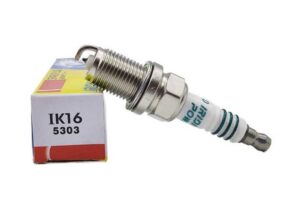
Before you even think about how to remove spark plugs, you need to gather the right arsenal of tools. Having everything at hand not only makes the job easier but also safer and more efficient. Don’t worry, most of these are common tools you might already own, or can easily acquire.
Essential Tools You’ll Need
- Spark Plug Socket Set: This is non-negotiable. You’ll need a specific deep-well socket, typically 5/8″, 13/16″, or 9/16″, that often has a rubber insert to grip the spark plug and prevent breakage.
- Ratchet and Extensions: A 3/8″ drive ratchet is standard, and you’ll likely need various extensions (3″, 6″, 10″) to reach deeply recessed spark plugs. A swivel or universal joint can also be a lifesaver.
- Torque Wrench: Absolutely crucial for proper installation. Overtightening can damage the spark plug or cylinder head; undertightening can cause them to loosen.
- Dielectric Grease: Applied inside the spark plug boot to prevent corrosion and make future removal easier.
- Anti-Seize Compound: Applied to the spark plug threads to prevent them from seizing in the cylinder head, especially important for aluminum heads.
- Compressed Air or Vacuum Cleaner: To clean debris from around the spark plugs before removal.
- Gloves and Safety Glasses: Protect your hands from grease and your eyes from debris.
- Flathead Screwdriver and Pliers: For disconnecting coil pack connectors or removing old wires.
- Gap Gauge (if necessary): Some spark plugs come pre-gapped, but it’s good to check your car’s specifications.
Safety First: Important Precautions
Safety is paramount when working on your car. Before you begin to remove spark plugs:
- Engine Off and Cool: Never work on a hot engine. Let it cool down completely, ideally for a few hours. Hot metal can burn you, and removing spark plugs from a hot engine can damage the cylinder head threads.
- Disconnect the Battery: While not always strictly necessary for spark plugs, it’s good practice for any engine work to prevent accidental shocks or short circuits.
- Clear Your Workspace: Make sure there are no loose items that could fall into the engine bay or get in your way.
Step-by-Step Guide: How to Remove Spark Plugs Safely
Okay, you’ve got your tools and your safety gear. Now for the main event: how to actually remove spark plugs. This process is more about patience and technique than brute force.
Accessing the Spark Plugs
First, you need to find them! Spark plugs are usually located on top of the engine, often underneath an engine cover or tucked into the valve cover. In many modern cars, they’re hidden under individual ignition coil packs.
- Locate Them: Look for the ignition coil packs (small modules) or spark plug wires leading to different points on the engine. They’ll typically be in a row across the top of the engine or sometimes on the sides.
- Remove Engine Cover: If your car has a plastic engine cover, unclip or unscrew it to expose the coil packs or wires.
Disconnecting Coil Packs and Wires
This is where you start to prepare the spark plugs for removal. It’s crucial to work on one spark plug at a time to avoid mixing up wires or coils and to prevent dirt from entering open cylinders.
- Disconnect Electrical Connector: Gently press the tab on the electrical connector for the first coil pack and pull it off. Avoid yanking on the wires.
- Remove Coil Pack/Wire: Unscrew the bolt holding the coil pack in place (if applicable, usually 10mm). Wiggle the coil pack or spark plug wire gently to pull it straight up and off the spark plug.
- Clean Around the Spark Plug Well: Before you even think about loosening, use compressed air or a shop vacuum to clear any dirt, dust, or debris from around the spark plug well. This prevents crud from falling into the cylinder once the spark plug is out. Trust me, you don’t want that!
Loosening and Removing the Old Spark Plugs
This is the moment of truth. Patience and a delicate touch are key here.
- Insert Spark Plug Socket: Carefully lower your spark plug socket with an extension onto the spark plug. Make sure it seats fully. You should feel it “click” onto the hex of the plug.
- Loosen Counter-Clockwise: Attach your ratchet and slowly turn counter-clockwise to loosen the spark plug. If it feels extremely tight or resists, stop! Don’t force it. Sometimes a little penetrating oil and patience (letting it sit for an hour) can help. You should feel it break free with a slight “snap” or pop.
- Unscrew by Hand: Once it’s loose, you should be able to unscrew the rest of the way by hand using just the extension and socket. This minimizes the risk of cross-threading or breaking the plug.
- Extract the Spark Plug: The rubber insert in your spark plug socket will help hold the plug as you pull it out of the well.
Inspecting the Old Spark Plugs and Preparing for New Ones
Once you successfully remove spark plugs, take a moment to examine them. They can tell you a lot about your engine’s health.
What Your Old Spark Plugs Can Tell You
- Normal Wear: A light tan or grayish-brown color with minimal electrode erosion indicates healthy engine operation.
- Carbon Fouling: Black, sooty deposits usually mean an overly rich fuel mixture, a weak spark, or excessive idling.
- Oil Fouling: Oily, black deposits suggest oil is leaking into the combustion chamber, possibly from worn piston rings or valve seals.
- Overheating: A white or blistered insulator, or eroded electrodes, indicates the spark plug is running too hot, potentially due to incorrect heat range, pre-ignition, or a lean fuel mixture.
Applying Anti-Seize and Dielectric Grease
Before installing your new spark plugs, a couple of preventative measures are highly recommended to ensure easy future maintenance and optimal performance.
- Anti-Seize Compound: For spark plugs going into aluminum cylinder heads (common in most modern cars), apply a very thin coat of anti-seize compound to the threads of the new spark plug. This prevents the spark plug from seizing in the head and makes it much easier to remove spark plugs next time. Be careful not to get it on the electrode. If your new spark plugs have a special coating, check if anti-seize is recommended, as some manufacturers advise against it.
- Dielectric Grease: Apply a small amount of dielectric grease inside the boot of the coil pack or spark plug wire. This helps seal out moisture, prevents corrosion on the electrical connections, and makes it easier to remove the boot next time.
Common Challenges and Pro Tips for Removing Spark Plugs
While the process of how to remove spark plugs is generally straightforward, sometimes you might encounter a stubborn one. Here are some pro tips and how to tackle common issues.
Dealing with Stuck or Broken Spark Plugs
This is the most feared scenario, but often preventable.
- Stuck Spark Plugs: If a spark plug is extremely tight and won’t budge, try spraying some penetrating oil (like WD-40 or PB Blaster) around the base of the plug. Let it soak for an hour or even overnight. Sometimes, gently rocking the spark plug (clockwise then counter-clockwise a tiny bit) can help work the oil in. You might also try warming the engine slightly (just a few minutes of running, then turn off and let cool for 15-20 minutes) as the expansion and contraction can sometimes help loosen it.
- Broken Spark Plugs: If the ceramic insulator breaks or the electrode snaps off, you’re in a trickier situation. There are specialized spark plug extractor tools available that can grip the remaining metal body of the plug. If you’re uncomfortable with this, it’s best to consult a professional mechanic.
Avoiding Cross-Threading and Overtightening
These are critical mistakes to avoid when installing new spark plugs:
- Hand-Thread First: Always start threading the new spark plug by hand, using just the extension and socket (no ratchet). This allows you to feel if it’s going in smoothly. If you feel any resistance, stop, unscrew, and try again. This prevents cross-threading, which can severely damage the cylinder head threads.
- Use a Torque Wrench: Once the spark plug is hand-tight, use a torque wrench to tighten it to the manufacturer’s specified torque setting. This is crucial. Overtightening can strip threads or crack the spark plug; undertightening can cause it to vibrate loose and damage the cylinder head. Check your car’s service manual or a reliable online resource for the correct torque specifications.
One at a Time Method
I cannot stress this enough: remove spark plugs and replace them one at a time. This simple rule prevents two major headaches:
- Mixing Up Wires/Coil Packs: If you remove all the coil packs or wires at once, it’s easy to forget which one goes to which cylinder, leading to engine misfires and a very frustrating diagnostic process.
- Preventing Debris Entry: By working on one spark plug well at a time, you minimize the window for dirt, dust, or tools to accidentally fall into an open cylinder, which could cause significant engine damage.
Recommended Tools for Spark Plug Removal
To help you prepare, here’s a handy table summarizing the essential tools discussed for a successful spark plug removal and installation:
| Tool | Purpose | Pro Tip |
|---|---|---|
| Spark Plug Socket (5/8″, 13/16″, 9/16″) | Specifically designed to grip and protect spark plugs during removal/installation. | Look for sockets with a rubber insert to hold the plug securely. |
| Ratchet & Extensions (3/8″ drive) | To apply leverage for loosening and tightening; extensions reach deep wells. | A swivel joint can make reaching awkward angles much easier. |
| Torque Wrench | Ensures precise tightening to manufacturer’s specifications. | Crucial for preventing damage from overtightening or undertightening. |
| Compressed Air / Vacuum | Cleans debris from around spark plug wells before removal. | Prevents dirt from falling into the engine cylinders. |
| Dielectric Grease | Protects electrical connections in coil pack boots from corrosion. | Apply a thin coat inside the boot, not on the spark plug electrode. |
| Anti-Seize Compound | Prevents spark plug threads from seizing in aluminum cylinder heads. | Apply a very thin coat only to the threads, avoid the electrode. |
| Gloves & Safety Glasses | Protects hands from grime and eyes from debris. | Essential safety gear for any automotive work. |
Remember, investing in good quality tools will make this job, and many future DIY tasks, much more enjoyable and successful.
There you have it! You’ve just learned how to remove spark plugs and the proper way to install new ones. It might seem like a lot of steps at first, but each one is simple and builds on the last. The satisfaction of knowing you’ve successfully performed this vital maintenance task on your own car is truly rewarding. Not only will your engine thank you with smoother performance and better fuel economy, but your wallet will too!
Don’t let the fear of the unknown hold you back from basic car maintenance. With the right tools, a bit of patience, and this guide, you’re well on your way to becoming a confident DIY mechanic. So go ahead, get those new spark plugs in, and enjoy the feeling of a car running like new. You got this!
Frequently Asked Questions
What tools are essential for safely removing spark plugs?
To safely remove spark plugs, you’ll primarily need a spark plug socket (specifically sized for your plugs), a ratchet, and an extension. A torque wrench is crucial for proper reinstallation, and items like dielectric grease and anti-seize compound are also highly recommended.
What initial steps should I take before I start to remove spark plugs?
Before attempting to remove spark plugs, ensure your engine is completely cool to prevent damage to the cylinder head threads. It’s also wise to disconnect your car’s battery and gather all your necessary tools in advance.
How can I prevent stripping the threads or breaking a spark plug during removal?
To prevent damage, always ensure your spark plug socket fits snugly over the plug. Apply steady, firm counter-clockwise pressure and never force a spark plug that feels exceptionally tight. If it resists, try applying penetrating oil and letting it soak.
My spark plug seems stuck; what should I do if it won’t budge?
If a spark plug feels stuck, stop immediately and avoid applying excessive force, as this can lead to breakage. Try spraying a penetrating oil around the base of the plug and let it sit for a few hours, or even overnight, before attempting to gently turn it again.
Do I need to remove the spark plug wires or coil packs in a specific way?
Yes, it’s important to remove spark plug wires by gripping and twisting the boot, not pulling on the wire itself, to avoid damage. For coil packs, disconnect the electrical connector first, unbolt the retaining fastener, and then lift the coil pack straight up.
Is it really necessary to use anti-seize compound when putting new spark plugs back in?
While opinions vary, using a small amount of anti-seize on the threads of new spark plugs is generally recommended, especially for steel plugs going into aluminum cylinder heads. This helps prevent them from seizing in place, making future removal much easier.