A leaking oil filter housing is a critical issue that compromises engine longevity and performance, demanding immediate attention. This guide empowers you to tackle the repair swiftly, detailing the essential tools, precise steps, and crucial tips needed to replace the housing and prevent further leaks effectively.
Ever pull out of your driveway and spot that dreaded dark puddle? An oil leak can be super frustrating, right? Often, the culprit isn’t just a loose drain plug or a bad filter seal. Sometimes, it’s a cracked or faulty oil filter housing itself. This component, often made of plastic or aluminum, can degrade over time, leading to significant leaks. Knowing how to troubleshoot and replace your oil filter housing can save you a big headache.
But here’s the good news: learning how to replace oil filter housing is a totally doable DIY project for many home mechanics. It might seem intimidating, but with the right guidance, you can tackle this repair, save some money, and get your ride leak-free again. Think of it as empowering yourself!
How do I replace the oil filter housing myself to stop those annoying leaks?
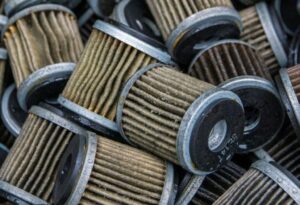
Alright, friend, let’s roll up our sleeves. I’ve done this a few times, and while it can be a bit messy, the satisfaction of fixing your leaking oil filter housing yourself is huge. This isn’t just about stopping a leak; it’s about making sure your engine gets the clean oil it needs without losing pressure. Here’s how I typically approach it, sharing some lessons I’ve learned along the way.
Get Ready: Prep and Tools Are Key!
- Safety First: Seriously, always. Make sure your engine is cool to the touch. Hot oil is no fun. Jack up your car safely using jack stands – never rely on just a jack!
- Gather Your Arsenal: You’ll need a socket wrench set, possibly extensions, a drain pan, new engine oil, a new oil filter, and most importantly, your new oil filter housing with a fresh gasket. I once tried to reuse an old gasket, thinking “it’ll be fine.” Nope, it wasn’t. Learn from my mistake!
- Clean Up Crew: Plenty of rags, brake cleaner, and gloves. Trust me, it’s going to get oily.
The Process: Step-by-Step, No Rush!
Step 1: Drain the Oil. Even if you recently changed it, you’ll want to drain some or all of it. Place your drain pan under the oil pan drain plug, unscrew it, and let the old oil flow. If your filter housing is very high up, you might get away with just draining a bit, but for a full replacement, draining it all makes less mess later.
Step 2: Locate and Access. The oil filter housing location varies by car model. It’s often bolted directly to the engine block, sometimes near the exhaust manifold. You might need to remove air intake ducts or other components to get clear access. Take pictures with your phone before you remove anything; it’s a lifesaver for reassembly!
Step 3: Disconnect Everything. Carefully unplug any electrical connectors (like oil pressure sensors) and disconnect any hoses or lines attached to the housing. Again, photos are your friend here. Labeling helps too!
Step 4: Unbolt the Old Housing. Use your socket wrench to remove the bolts holding the housing to the engine block. These can be tight, so use steady pressure. Be mindful of any small components attached. Once all bolts are out, gently wiggle the old housing free. Expect some oil to spill out as you remove it – have those rags ready!
Step 5: Clean That Surface. This is crucial! Use a scraper or a plastic razor blade to carefully remove all traces of the old gasket material from the engine block’s mating surface. Then, clean it thoroughly with brake cleaner. Any old gunk left behind will cause a new leak, and nobody wants that. I spent an extra 10 minutes cleaning once, and it saved me hours of redoing the job.
Step 6: Install the New Housing. Make sure the new gasket is properly seated on the new oil filter housing. Carefully position the new housing against the engine block. Hand-thread all the bolts first to ensure they’re aligned before tightening them down. Use a torque wrench if you have one; your car’s service manual will specify the torque settings. This prevents over-tightening (which can crack the new housing) or under-tightening (leading to leaks).
Step 7: Reconnect and Refill. Plug all electrical connectors back in and reattach any hoses or lines you removed. Double-check everything. Install a new oil filter into the housing, if applicable. Then, refill your engine with the correct amount and type of fresh engine oil.
Step 8: The Moment of Truth. Start your engine and let it run for a few minutes. While it’s running, immediately check for any signs of new leaks around the freshly installed oil filter housing. Take it for a short drive, then check again. A successful job means no drips!
My Personal Tip: Go OEM if You Can!
While aftermarket parts can save a few bucks, I’ve had better luck with OEM (Original Equipment Manufacturer) oil filter housings for a perfect fit and long-term durability. It might cost a little more upfront, but it often saves headaches down the road. And remember, patience is your best tool here. Don’t rush any step!
There you have it! Learning to replace oil filter housing isn’t just a repair; it’s an investment in your car’s health and your own DIY skills. You’ve tackled a common problem, saved some cash, and ensured your engine is properly lubricated. Enjoy the satisfaction of a leak-free driveway!