Replacing your car’s spark plugs is a vital and surprisingly manageable DIY maintenance task that directly impacts engine performance and fuel efficiency. This expert guide demystifies the process, providing clear steps and essential tips to confidently swap out old plugs for new ones. By following these instructions, you can ensure a smoother-running vehicle and prevent common engine issues, saving time and money.
Expert Guide How to Replace Spark Plugs in Car Easily
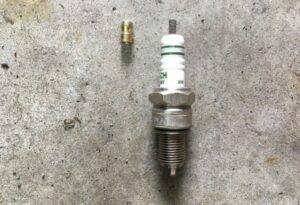
Ever had your car feel a little sluggish, or maybe notice your gas mileage isn’t what it used to be? Chances are, your spark plugs might be the culprit! Learning how to replace spark plugs yourself isn’t as daunting as it sounds, and it’s a fantastic way to save some money and get to know your car better. Think of it as giving your engine a fresh set of lungs – it can really breathe new life into your ride.
I remember the first time I decided to tackle a spark plug replacement. I was nervous, but with a bit of research and patience, it turned out to be a surprisingly rewarding task. It’s absolutely something you can do at home with basic tools, and I’m here to walk you through it, sharing some tips I picked up along the way.
How do I replace spark plugs in my car?
Replacing your spark plugs is a maintenance task that many car owners can handle, and it makes a noticeable difference in engine performance and fuel efficiency. Here’s a comprehensive guide, drawing from my own experiences, to help you get it done smoothly.
First, why would you want to replace spark plugs? Over time, spark plugs wear out. They can get dirty, corroded, or simply lose their ability to create a strong spark, leading to misfires, rough idling, poor acceleration, and decreased fuel economy. Most manufacturers recommend replacing spark plugs every 30,000 to 100,000 miles, depending on the type and your car’s make and model. Always check your car’s owner’s manual for the exact interval.
Tools and Materials You’ll Need:
- New spark plugs (make sure they’re the correct ones for your car!)
- Spark plug socket wrench set (typically 5/8″, 13/16″, or 18mm)
- Ratchet and extensions
- Torque wrench (critical for proper installation)
- Spark plug gapper (if your plugs aren’t pre-gapped)
- Dielectric grease
- Anti-seize compound
- Gloves
- Safety glasses
- Compressed air or a shop vacuum
- Marker or tape for labeling
- Owner’s manual
Safety First, Always!
Before you even think about touching anything, make sure your car’s engine is cool. A hot engine can cause burns, and also, removing plugs from a hot aluminum head can strip threads. Disconnect the negative terminal of your car’s battery to prevent any accidental shocks or electrical issues. Trust me, a little precaution goes a long way!
Step-by-Step Guide to Replacing Spark Plugs:
- Locate the Spark Plugs: Pop your hood and find your engine. Spark plugs are usually found on top of the engine (for V-type engines) or along one side (for inline engines). They are connected to either spark plug wires or ignition coils.
- Clear the Area: You might need to remove an engine cover, air filter housing, or other components to access the plugs. Take pictures as you go – I always do this to help me remember where everything goes back!
- Work One Plug at a Time: This is my golden rule. Never remove all the wires or coils at once. If you mix up the firing order, your car won’t start, or it will run very poorly. With a marker, label each wire or coil pack (e.g., “Cylinder 1,” “Cylinder 2”).
- Remove the Ignition Coil/Spark Plug Wire: Gently pull straight up on the ignition coil or spark plug wire. Twist a little if it’s stuck, but don’t yank it, as you could damage the wire or coil. My first time, I was a bit too aggressive and almost broke a wire!
- Clean Around the Plug: Before removing the old plug, use compressed air or a shop vac to clear any debris (dirt, leaves) from around the spark plug well. You don’t want this falling into your engine cylinder!
- Remove the Old Spark Plug: Fit your spark plug socket onto the plug and attach your ratchet. Turn counter-clockwise to loosen and remove the plug. If it feels extremely tight, stop and spray some penetrating oil around it, let it sit for a bit, then try again. Sometimes, a little patience saves a lot of headaches.
- Inspect the Old Plug: Take a look at the old spark plug. Its condition can tell you a lot about your engine’s health. A light tan or grayish-brown color is good. Oily or black, sooty plugs can indicate other engine issues.
- Gap the New Plug (if necessary): Some new spark plugs come pre-gapped, but it’s always best to double-check with your gapper tool and your car’s manual. Adjust if needed, but be gentle so you don’t damage the electrode.
- Prepare the New Plug: Apply a small dab of anti-seize compound to the threads of the new spark plug. This prevents it from seizing in the cylinder head, making future removals much easier. Apply a tiny bit of dielectric grease inside the boot of the ignition coil or spark plug wire; this helps prevent moisture and ensures a good electrical connection.
- Install the New Spark Plug: Carefully thread the new spark plug into the cylinder head by hand. This is crucial to avoid cross-threading, which can be a very expensive mistake. Once hand-tight, use your torque wrench to tighten it to the specification listed in your car’s manual. Overtightening can damage the plug or head, and undertightening can cause it to loosen and create problems.
- Reconnect: Push the ignition coil or spark plug wire firmly back onto the new spark plug until it clicks or feels secure. Make sure the connections are snug.
- Repeat: Continue this “one-at-a-time” process for all remaining spark plugs.
- Reassemble and Test: Once all plugs are replaced, reattach any components you removed (engine cover, etc.). Reconnect the negative battery terminal. Start your car and listen for a smooth idle. Take it for a short test drive to ensure everything feels right.
Replacing spark plugs can seem intimidating, but by taking your time, following these steps, and paying attention to detail, you’ll not only successfully replace spark plugs but also gain a huge sense of accomplishment. You’ll likely enjoy a smoother running engine and better gas mileage too. Happy driving!