Safely removing a fuel filter requires crucial preparation and the correct tools to prevent hazards. Always depressurize the fuel system, disconnect the battery, and use appropriate personal protective equipment before you begin. With specific fuel line disconnect tools and a catch pan ready, you can confidently tackle this task, avoiding spills and ensuring a smooth, problem-free replacement.
How to Expert tips how to take off fuel filter without problems
Quick Answers to Common Questions
What’s the very first step before I try to take off my fuel filter?
Before you even think about how to take off your fuel filter, always disconnect your battery’s negative terminal to prevent any electrical mishaps. Safety first, always!
Do I need any special tools to take off a fuel filter?
Often, you’ll need a specific fuel line disconnect tool, especially for newer vehicles, alongside basic wrenches or a ratchet set. Having the right tools makes the process of how to take off a fuel filter much smoother and prevents damage.
How do I relieve fuel pressure before I take off the fuel filter?
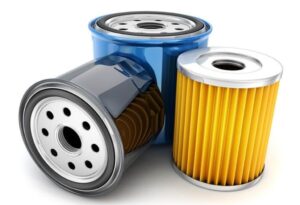
It’s crucial to depressurize the fuel system to avoid a spray of fuel when you take off the fuel filter. Typically, you can do this by removing the fuel pump fuse/relay and cranking the engine until it stalls.
Once the pressure is relieved, what’s the trickiest part when I go to take off the fuel filter?
The most common challenge when you take off the fuel filter is properly disconnecting the fuel lines without breaking the plastic tabs or fittings. Be gentle, use your special disconnect tool if required, and double-check for any clips.
What should I be ready for when I finally take off the fuel filter itself?
Even after depressurizing, expect a small amount of fuel to spill out when you take off the fuel filter, so have a drain pan and rags ready. Be mindful of its orientation if you’re replacing it, but the main goal is simply removing it safely.
Why This Matters / Understanding the Problem
Hey there, fellow DIY enthusiast! Ever found yourself staring at a car part, thinking, “This should be easy,” only to hit a snag? Removing a fuel filter can often feel exactly like that. It’s one of those tasks that sounds simple on paper but can quickly turn messy or even dangerous if you don’t know the ropes.
I’ve been there. My first time tackling a fuel filter, I learned the hard way that fuel systems are under pressure. Let’s just say a little spray in the face taught me a valuable lesson! That’s why I’m here to share some expert tips how to take off fuel filter without problems, making your next project smooth and safe. Knowing these tricks can save you time, a trip to the mechanic, and a good bit of frustration.
A clogged fuel filter can lead to all sorts of issues, from rough idling to poor engine performance. Replacing it is vital for your car’s health. Let’s get you set up to handle this important maintenance task with confidence.
What You Need
Before you dive in, gather your tools. Having everything ready means fewer interruptions and a smoother process. Trust me, rummaging around for a wrench mid-job isn’t ideal, especially when dealing with fuel!
- Safety Glasses & Gloves: Non-negotiable! Fuel can irritate skin and eyes.
- Rags & Drip Pan: Essential for catching any fuel spills. Even with depressurizing, a little dribble is common.
- Proper Wrenches or Fuel Line Disconnect Tool: This is crucial. Some filters use standard hex nuts, others require special quick-disconnect tools. Check your car’s manual or do a quick online search for your specific make and model.
- New Fuel Filter: Make sure it’s the correct one for your vehicle!
- Flashlight or Work Light: Engine bays can be dark, and you’ll need to see clearly.
- Jack and Jack Stands (if needed): For filters located under the vehicle. Safety first, never work under a car supported only by a jack.
- Fire Extinguisher: A small dry chemical one, just in case. Better safe than sorry when working with flammables.
Step-by-Step Guide to Expert tips how to take off fuel filter without problems
Alright, let’s get down to business. These steps are designed to help you remove your fuel filter safely and efficiently.
Step 1: Safety First, Always!
Your safety is paramount. Before touching anything, put on your safety glasses and gloves. Seriously, don’t skip this. Next, disconnect your car’s battery. Just remove the negative terminal cable. This prevents accidental sparks and ensures no electrical components activate while you’re working on the fuel system.
Step 2: Relieve Fuel System Pressure
This is arguably the most critical step when you want to confidently take off fuel filter without problems. Fuel systems are under pressure, and you absolutely must relieve it before disconnecting any lines. There are a few common ways to do this:
- Fuse Method: Locate your fuel pump fuse (check your owner’s manual or fuse box diagram). With the engine running, pull the fuse. The engine will sputter and die as it runs out of fuel, effectively depressurizing the system.
- Schrader Valve Method: Some vehicles have a Schrader valve on the fuel rail (looks like a tire valve). Place a rag over it and use a small screwdriver or tool to push the pin, releasing the pressure. Be prepared for a small spray of fuel!
After depressurizing, try to start the engine a few times for a couple of seconds to ensure all residual pressure is gone. This little trick works wonders.
Step 3: Locate Your Fuel Filter
Fuel filters are typically found in one of two places: under the hood in the engine bay (inline on the fuel line) or underneath the vehicle, often mounted along the frame rail. Sometimes, they’re even inside the fuel tank! Once you find it, take a moment to observe how it’s connected and mounted.
Step 4: Prepare for Fuel Spills
Even after depressurizing, a small amount of fuel will likely leak when you disconnect the lines. Place your drip pan directly under the fuel filter. Have plenty of rags handy to quickly wipe up any spills. This step minimizes mess and fire hazards.
Step 5: Disconnect the Fuel Lines
This is where those specialized tools come in. Fuel filters typically have two fuel lines attached:
- Quick-Disconnect Fittings: These require a specific fuel line disconnect tool. Slide the tool into the fitting, push it in, and then pull the line off. It takes a bit of a knack, but once you get it, it’s easy.
- Threaded Fittings: These use standard hex nuts. Use an open-end wrench to loosen and remove them. You might need two wrenches – one to hold the filter’s nut, and one to turn the fuel line nut, to prevent twisting the lines.
Work slowly and carefully. Avoid putting excessive force on the fuel lines themselves, as they can be brittle or easily damaged.
Step 6: Remove the Fuel Filter
With the lines disconnected, the filter itself is usually held in place by a bracket or clamp. Loosen or remove the fasteners holding the bracket. Gently slide the old filter out of its mounting. Be careful as it will still contain some fuel.
Pay attention to the orientation of the old filter. Most have a flow arrow indicating the direction of fuel. Your new filter must be installed in the same direction.
Step 7: Clean Up and Inspect
Once the old filter is out, clean up any spilled fuel immediately. Inspect the fuel lines and fittings for any signs of wear, cracks, or damage. This is a great time to replace any worn clips or O-rings if needed. You want everything to be in top shape for your new filter.
Pro Tips & Common Mistakes to Avoid
Pro Tip: Have Your New Filter Ready! As soon as the old filter is out, pop the new one in. This minimizes the amount of fuel that can drain out and keeps debris from entering your fuel lines. Always double-check the flow arrow.
Common Mistake 1: Skipping Depressurization. I mentioned this before, but it bears repeating. Not relieving fuel pressure is a recipe for a fuel shower, or worse, a fire hazard. Don’t ever skip Step 2!
Pro Tip: Lubricate Fittings (Carefully!). A tiny bit of silicone grease on O-rings or quick-disconnect fittings can make installation much smoother. Just be careful not to get any in the fuel line itself.
Common Mistake 2: Using the Wrong Tools. Pliers or vice grips on quick-disconnect fittings can damage them, leading to leaks. Invest in the correct fuel line disconnect tools. They’re inexpensive and will save you a headache.
Pro Tip: Hand-Tighten First. When installing the new filter and reconnecting lines, always hand-tighten threaded connections first to avoid cross-threading. Then, use your wrench to snug them up, but don’t overtighten!
Common Mistake 3: Forgetting the Flow Direction. Installing the fuel filter backward will restrict fuel flow and can cause significant engine problems. Always check for the flow arrow.
FAQs About Expert tips how to take off fuel filter without problems
Q1: How often should I replace my fuel filter?
A: Most manufacturers recommend replacing the fuel filter every 20,000 to 40,000 miles, or every two years. However, this can vary based on your driving conditions and vehicle. If you live in a dusty area or use lower quality fuel, more frequent changes might be needed.
Q2: What are the signs of a clogged fuel filter?
A: You might notice your engine struggling to start, hesitating, or sputtering, especially at higher speeds or under acceleration. Reduced fuel efficiency and a rough idle are also common indicators. If your car feels sluggish, a dirty fuel filter could be the culprit.
Q3: Can I really do this myself, even if I’m not a pro mechanic?
A: Absolutely! With the right tools, a bit of patience, and these expert tips how to take off fuel filter without problems, most DIYers can tackle this job. Just make sure to follow all safety precautions, especially the depressurizing step.
Q4: Is it dangerous to remove a fuel filter?
A: It can be, if not done correctly. Fuel is flammable, and the system is under pressure. However, by following safety guidelines – like disconnecting the battery, depressurizing the system, and having a fire extinguisher handy – you significantly minimize any risks.
Q5: What if I don’t have a specific fuel line tool for quick-disconnect fittings?
A: While some brave souls try to use makeshift tools, I strongly advise against it. You risk damaging the fittings, which can lead to fuel leaks and bigger problems down the road. These tools are quite affordable, so it’s worth the small investment.
Q6: How do I know if my car has quick-disconnect or threaded fuel lines?
A: The best way is to check your car’s service manual or do a quick online search for “fuel filter type [your car’s year, make, model]”. Visually inspecting the fittings will also give you a clue; quick-disconnects often have plastic collars or release tabs.
Final Thoughts
There you have it! Removing a fuel filter doesn’t have to be a daunting task. With these expert tips how to take off fuel filter without problems, you’re now equipped with the knowledge to handle it like a seasoned pro. Remember, preparation and safety are your best friends here.
Taking care of your car’s fuel system is vital for its longevity and performance. You’ve got this! Go ahead, roll up your sleeves, and enjoy the satisfaction of a job well done. Happy wrenching!