Identifying a spark plug misfire is crucial for engine health, primarily by recognizing key symptoms. Look for a rough or shaking idle, a noticeable loss of engine power, decreased fuel efficiency, or your “check engine” light illuminating. These clear indicators, sometimes accompanied by engine hesitation or knocking, signal it’s time to investigate your spark plugs for proper function.
Troubleshoot Engine Issues How to Tell if a Spark Plug is Misfiring
Ever felt your car shudder? Maybe it lost a bit of its usual pep. Or perhaps it just sounded… off? That’s a frustrating feeling. Your trusty vehicle might be trying to tell you something’s not quite right. Often, a common culprit behind these unsettling symptoms is a spark plug misfiring. Don’t worry, you’re not alone! This is a fairly common issue. The good news is, you can often pinpoint the problem yourself. Or, at least, describe it accurately to a mechanic. Think of this as your friendly guide. It helps you understand what your car is trying to communicate.
So, how do you tell if a spark plug is misfiring? Generally, your car will give you some pretty clear signals. We’re talking about things like a rough, shaky idle. You might also notice a noticeable dip in power. Or even that dreaded “Check Engine” light can pop up. Let’s dive deeper into these clues. They will help you become a super sleuth for your vehicle’s health.
What are the tell-tale signs and practical steps to identify if a spark plug is misfiring?
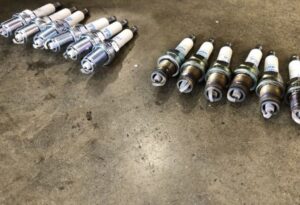
When a spark plug is misfiring, it means that one of your engine’s cylinders isn’t firing correctly. This can happen for a few reasons. Maybe the plug is worn out or dirty. Or there’s an issue with the ignition coil or fuel delivery. Regardless of the root cause, the symptoms are usually quite distinct. Here’s what you might notice:
- Rough Idle and Vibrations: This is one of the most common signs. When your car is sitting still, idling, it might feel like it’s shaking or sputtering. It’s like your engine is trying to run smoothly but keeps tripping over itself. It’s not a steady hum. It’s more like a subtle, rhythmic cough. I once had a car that felt like it was having mini-earthquakes every time I stopped at a red light! That was a classic spark plug misfiring symptom.
- Loss of Power and Sluggish Acceleration: Does your car feel hesitant when you press the gas pedal? Does it struggle to climb hills that it used to tackle with ease? A misfiring spark plug could be the reason. It’s like your engine isn’t getting all its cylinders working together. This makes it feel weak and slow. You might notice it when trying to merge onto a highway. That usual burst of speed just isn’t there.
- The Dreaded Check Engine Light: Your car’s computer is pretty smart! If it detects a misfire, it will often turn on the “Check Engine” light. This light is your car’s way of saying, “Hey, something’s wrong, take a look!” Sometimes it might flash. This indicates a more severe misfire. It could even be damaging your catalytic converter. So, don’t ignore it. Using an OBD-II scanner can often pull up specific codes. These codes (like P0301, P0302, etc.) tell you exactly which cylinder is experiencing the misfire. It’s like having your car directly tell you, “Cylinder 3 is having issues!”
- Increased Fuel Consumption: When a spark plug is misfiring, unburnt fuel often gets pushed through the exhaust system. This means your engine is working harder and less efficiently. It tries to produce the same power. This leads to a noticeable drop in your gas mileage. You might find yourself filling up the tank more frequently than before.
- Unusual Engine Sounds: Listen closely. A misfire can cause sounds like popping or backfiring through the exhaust. Or you might hear a sputtering noise from the engine bay. It’s not the smooth, consistent rumble you’re used to. It can sound a bit like your engine is struggling to breathe properly.
- Difficulty Starting: This is less common than other signs. But a severe misfire can make your car crank longer. Or it might struggle to start altogether. This is especially true if multiple spark plugs are affected.
- Smell of Raw Fuel: Unburnt fuel is being expelled. Because of this, you might occasionally catch a whiff of gasoline. This is especially true near the exhaust pipe. This is a strong indicator that fuel isn’t being completely combusted in the engine.
Practical Steps You Can Take:
Once you suspect a spark plug misfiring, here’s how you can investigate further:
- Listen and Feel: Pay close attention to how your car drives. Do you feel vibrations? Does it sound different? Notice when the symptoms occur. Is it only at idle? Or when accelerating?
- Scan for Codes: If your Check Engine light is on, borrow or buy an OBD-II scanner. They’re affordable. They are also incredibly useful for diagnosing many car issues. This includes identifying specific misfire codes. It’s like getting a direct report from your car’s brain.
- Visual Inspection (Safely!): Are you comfortable and have the right tools? Then you can carefully inspect the spark plug wires and the spark plugs themselves. Look for any visible damage. Check for cracks in the wires. Also, look for signs of fouling (carbon buildup or oil) on the spark plugs. Always ensure the engine is off and cool before attempting any inspection under the hood. For me, just checking the wires for cracks once helped me find a misfire!
Identifying a spark plug misfiring isn’t about being a master mechanic. It’s about being an observant car owner. By paying attention to your car’s behavior, you can often diagnose these common issues early. Catching a misfire early can save you from more costly repairs down the line. It also keeps your car running smoothly and efficiently. So, next time your car feels a bit off, remember these signs. And trust your gut!