Unclogging your fuel filter yourself is a smart, money-saving DIY task that significantly improves vehicle performance. This guide provides clear, step-by-step instructions, essential tools, and critical safety tips, empowering you to tackle the job confidently. Avoid expensive mechanic bills and restore optimal fuel flow with this practical knowledge.
How to Unclog Fuel Filter Yourself and Save Money
Have you ever felt that sinking feeling when your car starts sputtering or struggling, and you suspect it’s something with the fuel? Many times, the culprit is a clogged fuel filter. It’s a common issue, and the good news is, dealing with a clogged fuel filter yourself can absolutely save you a pretty penny on mechanic bills. Now, while the idea of truly “unclogging” a fuel filter in the traditional sense might not always be the best or safest long-term solution, understanding the problem and how to address it, often by replacement, is key. Let’s dive in and tackle this together!
Can I Really Unclog My Fuel Filter and What’s the Best Approach?
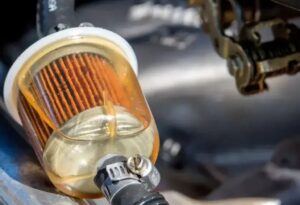
That’s a fantastic question, and one I’ve asked myself many times when trying to save a buck! Let’s get real for a moment. Most modern fuel filters are designed for filtration, not for cleaning or backflushing. Think of it like a coffee filter; once it’s full of grounds, you don’t really “unclog” it, you replace it. Trying to physically unclog fuel filter components can sometimes damage the filter media, making it less effective or even pushing contaminants further into your fuel system. That’s the last thing we want!
However, understanding the symptoms and the steps involved in accessing the filter is invaluable. This knowledge empowers you to either perform a safe replacement yourself or accurately describe the issue to a professional. So, while we might not literally “unclog” it, we’re going to learn how to fix the problem of a clogged fuel filter and prevent future issues, which ultimately saves money and hassle.
Here’s my step-by-step guide and some hard-earned advice:
- Spotting the Symptoms: Before you even think about how to unclog fuel filter issues, know the signs. Has your car been:
- Hesitating or sputtering, especially at high speeds?
- Stalling unexpectedly?
- Struggling to start?
- Getting noticeably worse gas mileage?
- Making strange noises from the fuel pump area?
If so, a clogged fuel filter is a strong suspect. I remember one time my old sedan felt like it was running on fumes even with a full tank – turned out to be the filter!
- Safety First (Seriously!): Fuel is flammable, and the system is under pressure. Before you touch anything, make sure your car is cool, the engine is off, and you’re in a well-ventilated area. Always wear safety glasses and gloves. Have a fire extinguisher handy – it’s better to be safe than sorry. Trust me, a little bit of caution goes a long way.
- Gather Your Tools: You’ll typically need:
- A wrench set (often metric)
- Pliers
- Fuel line disconnect tools (if applicable to your car, these are cheap and super useful!)
- A drain pan for spilled fuel
- Rags
- A new fuel filter (have it ready!)
- Optional (for a very light “unclogging” attempt): A can of carburetor cleaner or a specific fuel system cleaner, and low-pressure compressed air.
- Relieve Fuel System Pressure: This is critical! Consult your car’s manual. Often, you can do this by locating the fuel pump fuse or relay and starting the car until it stalls. This empties the fuel lines. Disconnect the battery after this step.
- Locate and Access the Filter: Fuel filters can be under the hood, along the frame rail underneath the car, or even inside the fuel tank. My old pickup had it right under the driver’s side door, which made it pretty easy to get to.
- The “Unclogging” Attempt (With a HUGE Caveat): If you are absolutely determined to try to unclog fuel filter debris, only do this on an external filter and with extreme caution. Disconnect the filter from both lines. You could try spraying carb cleaner or a fuel system cleaner backward through the filter (from the “out” side to the “in” side). Follow this with very low-pressure compressed air, again, in reverse. WARNING: This is generally NOT recommended. You risk damaging the filter’s internal media, which can lead to larger debris entering your fuel lines and injectors, causing far more expensive problems down the road. I tried this once on an old lawnmower filter, and while it seemed to work, the filter failed completely a few weeks later. Lesson learned!
- The Smarter Move: Replace the Filter! This is where you truly “unclog” your fuel system and ensure long-term reliability.
- With the fuel lines disconnected, remove the old filter. Be prepared for a bit of fuel spill; that drain pan and rags will be your best friend.
- Note the direction of flow. Fuel filters have an arrow indicating flow. The new filter MUST be installed in the correct direction.
- Install the new fuel filter, securing all connections tightly.
- Reconnect the battery.
- Turn the ignition to the “on” position a few times (without starting the engine) to allow the fuel pump to re-prime the system. Listen for the pump.
- Start the car and immediately check for any leaks around the new filter.
- Prevention is the Best Medicine: The best way to “unclog fuel filter” issues before they start is regular maintenance! Change your fuel filter according to your car’s manufacturer recommendations, usually every 15,000 to 30,000 miles. Always fill up at reputable gas stations to avoid dirty fuel, too.
So, while truly “unclogging” a modern fuel filter isn’t typically feasible or wise, you now have the knowledge to diagnose the problem and take the proper steps to fix it, usually by replacement. This DIY approach not only saves you money but also gives you a real sense of accomplishment knowing you’ve kept your car running smoothly. Happy driving!