Unlock engine mysteries and pinpoint misfires with a spark plug tester, your essential diagnostic tool! Simply connect the tester in-line between the plug and wire, then crank the engine to observe the spark intensity and color, quickly revealing ignition system health or faulty plugs. This fast, accurate method helps you confidently troubleshoot performance problems and maintain optimal engine function.
How to Unlock Engine Secrets How to Use a Spark Plug Tester
Why This Matters / Understanding the Problem
Ever had your car sputter, idle rough, or just refuse to start? That awful feeling often points to an ignition issue. A healthy spark is key for your engine to run smoothly. Without it, your engine won’t fire. You’re simply stuck.
That’s where a spark plug tester comes in handy. It’s a simple, affordable tool. Trust me, learning how to use a spark plug tester can save you a ton of guesswork. It quickly helps you pinpoint if a lack of spark is the real culprit. This lets you unlock engine secrets and tackle problems head-on.
I remember a time my old pickup was just cranking and cranking. I was really panicking! Then I grabbed my tester. Within minutes, I knew exactly which cylinder wasn’t firing. This little tool empowers you to diagnose engine misfires and other issues with confidence. It’s truly a game-changer for DIYers.
What You Need
Before we dive in, let’s gather our tools. Don’t worry, you won’t need a whole garage full of expensive equipment. Most of these items are probably already in your toolbox, or easily found at any auto parts store.
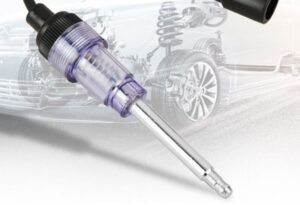
- Spark Plug Tester: This is the star of the show. You can find them at any auto parts store. They’re pretty inexpensive.
- Socket Wrench Set: You’ll need this to remove spark plugs. Make sure you have the right size for your car’s plugs.
- Spark Plug Socket: These have a special rubber insert. It holds the plug firmly as you remove or install it, preventing damage.
- Gloves: Safety first! Protect your hands from grease, dirt, and engine heat.
- Safety Glasses: Always protect your eyes from debris or accidental splashes. It’s a non-negotiable step for any car work.
- Shop Towels or Rags: Handy for cleaning up spills or wiping away dirt.
- Flashlight (Optional but Recommended): Engines can be dark places. A good light helps a lot to see clearly.
With these essentials, you’re ready to start. Having the right tools makes the job much easier. It ensures a smooth process as you learn how to use a spark plug tester effectively.
Step-by-Step Guide to Unlock Engine Secrets How to Use a Spark Plug Tester
Alright, let’s get down to business. I’ll walk you through each step. We’ll make sure you feel confident when using your spark plug tester. By the end, you’ll be much closer to unlocking those engine secrets and getting your car running right.
Step 1: Safety First, Always!
Seriously, this is the most important step. Your engine has high voltage. Always disconnect your car’s negative battery terminal. This prevents accidental sparks or dangerous shocks. Also, ensure your engine is cool. A hot engine can cause severe burns. Trust me, I’ve made that mistake before.
Warning: Never work on a hot engine. Always disconnect the battery. High voltage can be dangerous. Your safety comes first!
Step 2: Locate Your Spark Plugs
Spark plugs are usually on top or the side of your engine. They are connected to thick wires or individual coil packs. You’ll see a set of these, typically four, six, or eight, depending on your engine size. Each one goes to a specific cylinder. My first time, I spent ages just looking for them!
If you’re unsure, consult your car’s owner’s manual. It will show you exactly where they are. You may need to remove an engine cover to access them. Just gently unclip or unbolt any covers in the way. Be careful not to force anything.
Step 3: Disconnect and Attach the Tester Securely
Now, carefully remove one spark plug wire or coil pack. Do this for the cylinder you want to test first. Wiggle it gently, then pull straight up. Don’t pull on the wire itself; always grab the boot. You don’t want to damage the wire or its connector.
Next, attach your spark plug tester. One end connects securely to the spark plug wire (or coil pack boot) you just removed. The other end connects to a good ground point on the engine. A bare metal bolt, engine bracket, or even the engine block itself works perfectly. Ensure both connections are snug. A loose connection can give false readings. It’s crucial for an accurate spark plug test.
Step 4: Crank the Engine and Observe
With the tester connected and properly grounded, it’s time to check for spark. Have a friend help you if possible. One person can crank the engine for a few seconds. The other watches the tester. If you’re alone, you can position the tester where you can see it from the driver’s seat.
Crank the engine for a short burst, maybe 3-5 seconds. Don’t hold the key in the start position for too long. Listen for the engine trying to start. And definitely watch for a spark on the tester. This part is exciting, like a mini lightning show!
Step 5: Interpret the Spark
This is where you truly unlock engine secrets about your ignition system. Look for a bright, consistent blue or white spark. It should jump clearly across the tester’s gap. A strong spark means that cylinder is getting ignition voltage. It’s doing its job as it should.
What if there’s no spark? Or a weak, inconsistent orange spark? This indicates a problem. It could be a bad spark plug, a faulty wire, or a failing coil pack. Test all cylinders this way. This helps you compare results. You’ll quickly see which ones are performing poorly. This gives you valuable diagnostic information.
Step 6: Reassemble Everything Carefully
Once you’ve finished testing, put everything back together. Remove the spark plug tester. Reconnect the spark plug wire or coil pack firmly. Push it down until you hear or feel a distinct click. Double-check that all connections are secure. If you removed any engine covers, put them back too.
Finally, reconnect your car’s negative battery terminal. Make sure it’s tight. Now, try to start your car. You might just have found and fixed your problem. Learning how to use a spark plug tester properly means knowing how to finish the job right and safely.
Pro Tips & Common Mistakes to Avoid
I’ve been there, made these mistakes. So let me share some wisdom to help you avoid common pitfalls. Learning how to use a spark plug tester correctly involves more than just the basic steps.
- Always use the correct tester: There are in-line testers and adjustable gap testers. For general troubleshooting, a simple in-line spark plug tester is usually perfect and easiest to use.
- Ensure a good ground: This is critical. A bad ground connection will give you a false “no spark” reading. Always connect to clean, bare metal on the engine.
- Don’t hold the tester: While cranking, stand clear. Let the tester hang or secure it carefully. You don’t want to accidentally touch high voltage.
- Test each cylinder individually: Even if you suspect one, checking all of them gives you a complete picture. This helps identify other potential issues before they become bigger problems.
- Avoid cranking too long: Short bursts are enough. Excessive cranking can flood the engine or quickly drain your car battery.
- Check your wires/coils: Sometimes the spark plug wire itself is faulty. Wiggle it gently while testing. Look for changes in the spark. This can reveal intermittent issues.
Pro Tip: If you suspect a bad coil pack, try swapping it with one from a cylinder that you know is working. If the misfire or “no spark” condition follows the coil pack, you’ve found your culprit! This is a simple, effective diagnostic trick.
FAQs About Unlock Engine Secrets How to Use a Spark Plug Tester
I get a lot of questions about this topic. Here are some common ones that might help you further unlock engine secrets when troubleshooting.
Q1: What kind of spark should I see on the tester?
A: You want to see a bright, consistent blue or bluish-white spark. It should snap clearly across the gap on your spark plug tester. A weak orange or yellow spark means trouble; it suggests insufficient voltage.
Q2: My car won’t start, but I have spark on all cylinders. What’s next?
A: Good question! If you have good spark, then the issue isn’t your ignition system. You might have a fuel delivery problem or a compression issue. Check your fuel pump, fuel filter, or fuel injectors next. Or consider doing a compression test.
Q3: Can I test for spark without removing the actual spark plug from the engine?
A: Yes, absolutely! That’s the beauty and convenience of an in-line spark plug tester. It tests for spark directly from the spark plug wire or coil pack. You don’t need to pull the plug itself out of the engine.
Q4: How often should I check my spark plugs or ignition system using a tester?
A: It’s not a routine maintenance check, typically. You usually use a spark plug tester when you suspect a specific problem. This might be a misfire, rough idling, or a no-start condition. For general maintenance, follow your car’s service schedule for spark plug replacement intervals.
Q5: Are all spark plug testers the same? Which one should I get?
A: Not exactly. There are basic in-line testers, which are great for most DIYers and very affordable. Then there are adjustable testers for specific gap settings. Some advanced ones have inductive pickups. For most car owners, a simple, clear in-line tester is perfect for diagnosing “no spark” issues.
Q6: Is it really safe to do this myself if I’m not a mechanic?
A: Yes, it is, if you follow safety precautions diligently! Disconnecting the battery is absolutely key. Always wear gloves and safety glasses. Be mindful of hot engine parts. If you’re ever uncomfortable, always consult a professional. But with care, it’s a very manageable DIY diagnostic task.
Final Thoughts
Learning how to use a spark plug tester is a fantastic skill to add to your automotive toolkit. It truly empowers you as a car owner. You gain the ability to quickly diagnose frustrating engine problems. No more expensive guessing games at the repair shop!
It’s not just about saving money on mechanics. It’s about understanding your vehicle better. It helps you build confidence in your DIY abilities. So grab that spark plug tester. Go ahead and unlock those engine secrets. You’ve got this!