Changing spark plugs is a surprisingly manageable DIY task for most car owners, far from “hard” when approached correctly. While requiring careful attention to detail and the right tools, following simple, revealed steps makes the process straightforward and accessible. With proper guidance, you can confidently tackle this essential maintenance, saving money and improving engine performance.
Hey there, fellow car owner! Ever wondered if tackling a car repair yourself is truly within reach? One common task that often seems daunting is changing spark plugs. You see them on maintenance lists, and messing with your engine can feel pretty intimidating. So, let’s get straight to it: is changing spark plugs hard?
Honestly, for many vehicles, it’s not as tough as you might think! It requires patience and the right tools, but it’s often a manageable DIY job. My first time, I was nervous, but breaking it down made it straightforward. You can save money and gain a real sense of accomplishment.
So, is changing spark plugs hard, and what’s involved in this DIY project?
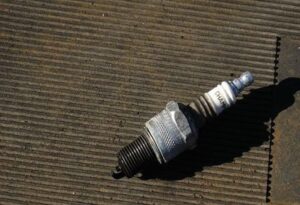
Let’s be real. The difficulty of changing spark plugs varies by car. Some engines offer easy access; others hide them, making it trickier. But don’t let that deter you! Many find it a rewarding weekend task.
Here’s the breakdown, based on my hands-on experience:
Tools You’ll Likely Need:
- Ratchet with an extension.
- Spark plug socket (with rubber insert).
- Gap gauge (for new plugs).
- Dielectric grease (for coil pack boots).
- Anti-seize compound (for plug threads).
- Torque wrench (highly recommended!).
- Gloves.
- Compressed air (to clear debris).
The “How-To” Steps (My Friendly Guide):
- Safety First: Engine must be completely cool. Disconnect battery’s negative terminal.
- Locate & Photograph: Find your plugs (under coil packs/wires). Take a picture before disconnecting anything. My top reassembly tip!
- Work One-by-One: Disconnect one coil pack/wire. Finish that plug completely before moving to the next. Prevents mix-ups.
- Clean Around the Plug: Use compressed air around the old plug’s base. Prevent dirt falling into the cylinder. I learned this the hard way!
- Remove the Old Plug: Fit your spark plug socket, attach ratchet, turn counter-clockwise. Might be stiff, but be smooth.
- Prep Your New Plug: Check gap with gauge (manual has specifics). Adjust gently. Apply tiny anti-seize to threads, dielectric grease inside coil pack boot.
- Install the New Plug: CRITICAL: Screw it in by hand first. Get 2-3 turns without resistance. If hard, you’re cross-threading! Once finger-tight, use a torque wrench for precise tightening (check manual).
- Reconnect Everything: Secure the coil pack or wire until it clicks. Repeat for all remaining plugs.
I felt immense pride after my first successful spark plug change. The car ran smoother, and I knew I did it myself. While some cars, like certain V6s or V8s with hard-to-reach rear plugs, might test your limits, many modern 4-cylinder engines make changing spark plugs surprisingly accessible. If unsure, consult your car’s service manual or watch a YouTube video for your exact model. It’s all about empowering yourself!
So, there you have it. Changing spark plugs isn’t a mystical ritual. With preparation, the right tools, and patience, you absolutely can do it. You’ll save money and gain valuable confidence under the hood. Give it a try – you might just surprise yourself!