Changing spark plugs is far easier than you might think and a highly recommended DIY task for any car owner. This simple guide empowers you to tackle the job confidently, even as a beginner, by breaking down the process into clear, manageable steps. You’ll quickly discover how this minor maintenance can significantly boost your engine’s performance and fuel efficiency while saving you money.
Ever had that little shiver of dread when your car starts acting up? Maybe it’s a hesitant start, a rough idle, or that check engine light staring at you like an accusatory eye. For many of us, car maintenance feels like a dark art, best left to the highly skilled (and often expensive) professionals. We’ve all been there, wondering if we truly have to shell out another hefty bill for something that *feels* like it should be simpler.
Well, what if I told you that one of those seemingly intimidating maintenance tasks – changing spark plugs – is actually well within reach for the average DIY enthusiast? It’s true! While the idea of tinkering under the hood can feel daunting, replacing your spark plugs is often a straightforward job that can save you money, boost your car’s performance, and give you a fantastic sense of accomplishment. Think of it as a small, manageable project that yields big returns.
In this guide, we’re going to pull back the curtain on spark plug replacement. We’ll explore why they’re important, what you need to get the job done, and walk through the process step-by-step. By the end, you’ll have a clear understanding of whether changing spark plugs is the right DIY project for you, and the confidence to tackle it head-on. Let’s dive in and demystify the process of how to change spark plugs!
Key Takeaways
- Preparation is paramount: Gather tools and consult your vehicle manual first.
- Safety comes first: Disconnect battery and allow the engine to cool completely.
- Work systematically: Replace plugs one at a time to avoid errors and mix-ups.
- Gap new plugs accurately: Use a feeler gauge for optimal spark performance.
- Use correct torque: Prevent damage with a reliable torque wrench during installation.
- Inspect old plugs: They reveal vital clues about your engine’s health.
- It’s a manageable DIY: Most drivers can complete this task easily with guidance.
📑 Table of Contents
- Understanding Your Spark Plugs: Why They Matter
- Is It Really “Easy” to Change Spark Plugs? The Real Talk
- Gathering Your Arsenal: What You’ll Need to Change Spark Plugs
- Step-by-Step: How to Change Spark Plugs Like a Pro
- Common Pitfalls and How to Avoid Them When You Change Spark Plugs
- When to Call in the Pros (and When You Can DIY)
Understanding Your Spark Plugs: Why They Matter
Before we talk about how easy it is to change spark plugs, let’s understand their role. Spark plugs are small but mighty components in your car’s engine. They are responsible for igniting the air-fuel mixture in your engine’s combustion chambers. This ignition creates the mini-explosions that push your pistons, turning your engine and ultimately making your wheels spin. Without healthy spark plugs, your engine simply can’t perform its magic efficiently, or sometimes, not at all.
The Core Function
Imagine your engine as a finely tuned orchestra. The fuel is the melody, the air is the rhythm, and the spark plug is the conductor’s baton, signaling precisely when the instruments should play. Each plug delivers an electrical spark at the exact right moment, igniting the compressed fuel and air. This constant, precise ignition is crucial for smooth operation, fuel efficiency, and reducing harmful emissions. So, when your spark plugs start to wear out, that orchestra starts playing out of tune.
Signs It’s Time for a Change
Your car is pretty good at telling you when something’s wrong. When it comes to spark plugs, here are some common indicators that it might be time to change spark plugs:
- Rough Idling: If your engine feels like it’s shaking or struggling when you’re stopped, worn spark plugs could be the culprit.
- Engine Misfires: You might feel a sudden jerk or hesitation while driving, especially when accelerating. This is often a sign of a misfire.
- Difficulty Starting: If your car cranks for longer than usual before starting, the plugs might not be sparking strongly enough.
- Poor Fuel Economy: Worn plugs can lead to incomplete combustion, meaning your engine uses more fuel to produce the same power.
- Lack of Acceleration: Your car might feel sluggish or less responsive when you press the accelerator.
- Check Engine Light: A flashing or solid check engine light can sometimes indicate spark plug issues or misfires.
Is It Really “Easy” to Change Spark Plugs? The Real Talk
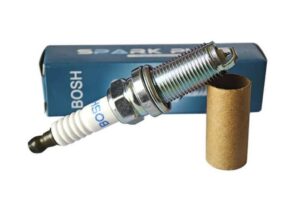
The short answer is: for many vehicles, yes, changing spark plugs is surprisingly easy. It’s a job that most mechanically inclined individuals, even those with limited experience, can confidently tackle. However, the term “easy” comes with a few important caveats. The difficulty can vary significantly depending on your specific vehicle’s make, model, and engine layout.
Factors That Influence Difficulty
While the basic principle of how to change spark plugs remains the same, these factors can make it more or less challenging:
- Engine Layout:
- Inline Engines (4-cylinder, some 6-cylinder): Often the easiest. Spark plugs are usually located on top of the engine, right on the cylinder head, making them very accessible.
- V-Engines (V6, V8): These can be trickier. One bank of cylinders (and their plugs) is usually easy to reach, while the other bank might be tucked closer to the firewall, requiring more maneuvering or removal of other components (like an intake manifold) to gain access.
- Boxer Engines (Subaru, Porsche): These are notoriously difficult. The horizontally opposed cylinders mean the spark plugs are often hidden deep within the engine bay, requiring special tools or even lifting the engine slightly.
- Engine Covers and Components: Some modern engines are shrouded in plastic covers or have various hoses, wires, and air intake components that need to be removed before you can even see the spark plugs.
- Age and Condition of Plugs: Old, seized, or rusty spark plugs can be extremely difficult to remove and can even break off in the cylinder head, turning an easy job into a potential nightmare.
- Tools: Having the right tools (especially a good spark plug socket and extensions) makes a world of difference.
The “Right” Attitude
If you’re patient, methodical, and willing to follow instructions, you’ll likely find changing spark plugs a rewarding experience. It’s a task that builds confidence and familiarizes you with your car’s engine bay. Don’t rush, and always double-check your work.
Gathering Your Arsenal: What You’ll Need to Change Spark Plugs
Part of making the job easy is having the right tools. You don’t need a full mechanic’s workshop, but a few specific items are essential. Before you even think about how to change spark plugs, get these ready.
Essential Tools
- Spark Plug Socket: This is crucial. It’s a specialized socket, usually 5/8″ or 13/16″, with a rubber insert inside to grip the plug and prevent it from cracking.
- Ratchet Wrench: A 3/8-inch drive ratchet is standard.
- Extension Bars: Various lengths will be needed to reach deeply seated plugs.
- Torque Wrench: Highly recommended! This prevents over-tightening (which can damage the plug or cylinder head) or under-tightening (which can cause leaks or misfires).
- Dielectric Grease: Applied to the inside of the spark plug boot to prevent corrosion and make future removal easier.
- Anti-Seize Lubricant: Applied to the threads of the new spark plugs, especially for plugs going into aluminum heads, to prevent them from seizing.
- Spark Plug Gap Tool: While most modern plugs come pre-gapped, it’s good practice to check and adjust if necessary, particularly for copper or platinum plugs.
- Gloves: Protect your hands.
- Flashlight or Headlamp: For better visibility in tight spaces.
- Compressed Air or Vacuum: To clean around the plug wells before removal.
- Shop Rags or Paper Towels: For cleaning up.
The Right Spark Plugs
This is not an area to cut corners. Always buy the exact spark plugs recommended for your specific vehicle. Check your owner’s manual or use an auto parts store’s lookup tool. There are different types (copper, platinum, iridium) with varying lifespans and performance characteristics, and using the wrong type can cause engine problems.
Step-by-Step: How to Change Spark Plugs Like a Pro
Alright, you’ve got your tools, your new plugs, and your confidence. Let’s walk through the process of how to change spark plugs.
Safety First!
- Ensure the engine is cool: Never work on a hot engine. Let it cool down completely, ideally for several hours.
- Disconnect the battery: Always disconnect the negative terminal of your car battery to prevent accidental electrical shorts.
- Clear the work area: Remove any decorative engine covers, air intake tubing, or other components blocking access to the spark plugs.
Locating and Accessing Your Plugs
Your spark plugs are typically located on the top or sides of the engine’s cylinder head. They’ll be connected to ignition coils or spark plug wires. Modern cars usually have individual ignition coils (coil-on-plug) directly over each spark plug, while older cars have spark plug wires running from a distributor or coil pack to each plug.
- Clean the area: Before removing anything, use compressed air or a shop vac to clear any dirt, leaves, or debris from around the spark plug wells. You don’t want this falling into the cylinder when you remove the old plug.
- Disconnect wires/coils one by one: This is critical. Work on one spark plug at a time to avoid mixing up wires or coils. Gently disconnect the ignition coil electrical connector, then remove the coil or spark plug wire. Twist and pull (don’t yank) on the boot, not the wire itself.
The Removal Process
- Unscrew the old plug: Insert your spark plug socket with the appropriate extension onto the spark plug. Turn counter-clockwise to loosen it. If it’s very tight, apply steady, firm pressure. If it feels seized, apply some penetrating oil and let it sit for a while, then try again. Be very careful not to break the plug.
- Inspect the old plug: Once removed, take a look at the old spark plug. Its condition can tell you a lot about your engine’s health (e.g., oil fouling, carbon buildup, signs of overheating).
Installation and Finishing Up
- Prepare the new plug:
- Check the gap: Even if they’re “pre-gapped,” a quick check with a gap tool ensures accuracy. Adjust if necessary, but be gentle.
- Apply anti-seize: Put a small amount of anti-seize lubricant on the threads of the new spark plug (only if your manufacturer recommends it, and avoid getting it on the electrode).
- Apply dielectric grease: A tiny dab inside the spark plug boot of the ignition coil or wire helps with future removal and ensures good electrical connection.
- Install the new plug: Crucial step for preventing cross-threading! Hand-thread the new spark plug into the cylinder head. You should be able to turn it several full rotations easily. If you feel any resistance, stop, unscrew it, and try again. Use your spark plug socket and extension without the ratchet at first to guide it straight.
- Torque the plug: Once hand-tight, attach your torque wrench and tighten the spark plug to the manufacturer’s specified torque setting (found in your owner’s manual or a repair guide). This is extremely important to prevent damage.
- Reconnect coil/wire: Reinstall the ignition coil or spark plug wire over the new plug. Ensure it clicks firmly into place. Reconnect the electrical connector if applicable.
- Repeat for remaining plugs: Work one plug at a time, from start to finish, to avoid confusion.
- Reassemble and test: Once all plugs are changed, reinstall any components you removed (air intake, engine covers). Reconnect the battery. Start your car and listen for any unusual sounds. Take it for a short test drive to ensure everything feels right.
Common Pitfalls and How to Avoid Them When You Change Spark Plugs
While changing spark plugs is relatively easy, a few common mistakes can turn a simple job into a headache. Knowing these pitfalls helps you avoid them.
Cross-Threading Nightmares
This is probably the most common and potentially damaging mistake. Forcing a spark plug into the cylinder head at an angle will strip the threads in the head, leading to expensive repairs.
How to avoid: Always start threading the new plug by hand. It should turn smoothly for several rotations. If you feel resistance early on, back it out and try again. Using a piece of rubber hose over the ceramic end of the plug can give you extra leverage and feel without the risk of over-tightening with a wrench.
Over-Tightening Terrors
Too much torque can strip threads, crack the ceramic insulator of the spark plug, or even damage the cylinder head. Too little torque can cause exhaust leaks, misfires, and allow the plug to vibrate loose.
How to avoid: Use a torque wrench! This tool is your best friend for this job. Always look up your car’s specific torque specifications and adhere to them strictly.
The Right Gap is Key
While many plugs come pre-gapped, improper gapping can lead to misfires, reduced fuel economy, and poor performance.
How to avoid: Always check the gap with a spark plug gap tool, even on new plugs. Adjust carefully if needed, following your vehicle’s specifications. Be especially gentle with iridium or platinum plugs, as their fine electrodes can be easily damaged.
Electrical Mishaps
Mixing up spark plug wires on older vehicles, or failing to properly connect ignition coil connectors, can cause misfires or prevent the engine from starting.
How to avoid: Work on one plug at a time from start to finish. This ensures you only have one wire or coil disconnected at any given moment, making it impossible to mix them up. For coils, ensure the electrical connector clicks securely into place.
When to Call in the Pros (and When You Can DIY)
Even though we’ve established that changing spark plugs is often an easy DIY task, there are times when it’s genuinely better to hand the job over to a professional mechanic. Knowing your limits is part of being a smart DIYer.
Complex Engine Layouts
If you have a vehicle with a particularly cramped engine bay, or if you find that major components (like an intake manifold) need to be removed just to access the plugs, it might be worth considering professional help. Some vehicles, especially those with certain V6 or V8 engines or horizontally opposed (Boxer) engines, can have plugs that are incredibly difficult to reach without specialized tools or significant disassembly.
Seized Plugs
If an old spark plug is seized in the cylinder head and simply won’t budge with reasonable force, forcing it further can lead to a broken plug or stripped threads. A professional has specialized tools and techniques to safely remove seized plugs, minimizing damage to the engine. This is one of those situations where “easy” can quickly become “very difficult and expensive.”
Lack of Confidence or Time
If you’re truly uncomfortable with the process, or if you don’t have the time to dedicate to the job (including troubleshooting if something goes wrong), there’s no shame in taking it to a mechanic. Your peace of mind and the proper functioning of your vehicle are paramount. A professional will have the job done quickly and correctly.
Here’s a quick summary of common spark plug issues and their potential causes:
| Spark Plug Appearance | Interpretation | Potential Problem |
|---|---|---|
| Normal/Light Tan | Healthy engine operation | No issues |
| Black, Sooty Deposits | Rich air-fuel mixture or weak spark | Dirty air filter, leaky injector, prolonged idling |
| Oily Deposits | Oil leaking into the combustion chamber | Worn piston rings, valve guides, or seals |
| White, Blistered Deposits | Overheating or pre-ignition | Incorrect spark plug heat range, lean mixture, ignition timing issues |
| Melted Electrode | Severe overheating | Extreme pre-ignition, improper fuel, engine damage |
Changing spark plugs is a fantastic entry-level DIY car maintenance project. With the right tools, a bit of patience, and a willingness to learn, you can definitely tackle this job yourself. It’s an empowering task that not only saves you money but also gives you a deeper understanding and connection with your vehicle. Most importantly, it can significantly improve your car’s performance and fuel efficiency.
So, the next time your engine feels a little sluggish or that check engine light flickers on, consider giving this DIY project a try. You might just surprise yourself with how easy it is to change spark plugs. Happy wrenching!
Frequently Asked Questions
Is changing spark plugs a difficult task for a beginner?
For many modern vehicles, changing spark plugs can be a surprisingly straightforward DIY task, often requiring basic tools and patience. While some engines have more accessible plugs than others, it’s generally considered an entry-level maintenance job that most car owners can tackle successfully.
What tools are essential for a DIY spark plug replacement?
You’ll typically need a ratchet, a spark plug socket (which often has a rubber insert to grip the plug), extensions, and a torque wrench for proper installation. Dielectric grease and anti-seize compound are also highly recommended for a smooth future removal and proper electrical connection.
How long does it typically take to change spark plugs?
For a beginner, changing all the spark plugs can take anywhere from 1 to 3 hours, depending on engine accessibility and familiarity with the process. Experienced DIYers might complete the job in under an hour.
What are the common mistakes to avoid when changing spark plugs?
Key mistakes include overtightening or undertightening the new plugs, cross-threading them, or damaging the ignition coils/wires during removal or installation. Always ensure you’re using the correct gap specification and torque for your specific vehicle.
When should I consider replacing my car’s spark plugs?
Most manufacturers recommend replacing spark plugs every 30,000 to 100,000 miles, depending on the type of plug (copper, platinum, iridium). You might also consider changing them if you notice engine misfires, rough idling, decreased fuel economy, or hesitation during acceleration.
Are there any specific challenges or car models where changing spark plugs is harder?
Yes, some engines, particularly V6 or V8 configurations, may have spark plugs located in hard-to-reach areas, often under intake manifolds or tucked away against the firewall. Always consult your vehicle’s service manual or watch specific tutorials for your make and model to anticipate any unique challenges.