Yes, it’s generally a wise decision to replace ignition coils with spark plugs simultaneously, especially on high-mileage vehicles or when original coils are aging. This preventative measure ensures consistent, optimal engine performance, prevents future misfires, and often saves on labor costs by addressing related components at once. While not strictly mandatory if coils are relatively new, synchronized replacement offers superior reliability and peace of mind.
Hey there, fellow car enthusiasts and DIY mechanics! Ever found yourself wondering, “Should I replace ignition coils with spark plugs together?” It’s a super common question, and honestly, a smart one to ask. You’re already getting into the engine bay to do one job, so why not consider the other? My simple answer, based on years of wrenching, is often a resounding yes, especially under certain conditions. It’s usually a wise move for your car’s health and your wallet in the long run.
Replacing both at the same time can save you future headaches and labor costs. Think of it as a preventative strike against potential future problems. When these two parts are working optimally, your engine purrs beautifully. Let’s dive deeper into why this combination replacement makes so much sense.
Should I replace ignition coils with spark plugs together?
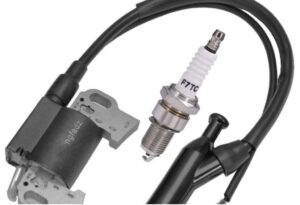
That’s the million-dollar question, isn’t it? From my own experience working on cars, deciding to replace ignition coils with spark plugs together is usually a smart play. Here’s why and how I typically approach it:
First, let’s quickly chat about what each part does. Spark plugs are like tiny lightning rods that create the spark needed to ignite the air-fuel mixture in your engine. Ignition coils are mini transformers. They take your car’s low battery voltage and crank it up to the thousands of volts needed to make those spark plugs fire. They’re a team, working in perfect sync to keep your engine running smoothly.
So, why consider replacing them as a pair? When I’m working on a car, especially one with higher mileage, here are my thought processes and tips:
- Preventative Maintenance is Key: If you’re already in there changing the spark plugs, the ignition coils are usually right on top of them. You’ve done most of the hard work just getting to that point. It makes perfect sense to refresh both parts. If your coils are original and have high miles, their performance will likely be declining. New spark plugs with old, weak coils can actually highlight the coil’s weaknesses. I’ve often seen cars run a little rougher *after* a spark plug change simply because the old coils can’t keep up with the demands of the new, efficient plugs.
- Saving Time and Money: This is a big one for me. The labor involved to access the spark plugs is often the same labor needed to access the coils. If a coil fails a few months down the road, you’ll have to pay for that labor all over again. Doing both now means one job, one bill (or one afternoon of DIY effort). It’s efficient.
- High Mileage Matters: If your car is over 80,000 to 100,000 miles, and you haven’t replaced the coils before, this is prime time to consider replacing them along with the spark plugs. Coils degrade over time from heat cycles and general wear. Their insulation can break down, leading to intermittent misfires or outright failure.
- Addressing Misfires or Check Engine Lights: If you’re experiencing symptoms like a rough idle, hesitation, or a “Check Engine” light blinking (often indicating a misfire), and you know your spark plugs are due for a change, it’s a strong signal that an ignition coil might also be failing. In this scenario, I almost always recommend to replace ignition coils with spark plugs together. It addresses the whole ignition system at once.
- When *Not* to Replace Together: There are exceptions, of course. If one coil fails on a relatively new car (say, under 50,000 miles) and the other coils are performing perfectly, you could just replace the single faulty coil. However, even then, I’d give the other coils a good visual inspection for any cracks or signs of wear. Budget constraints can also be a factor, and sometimes you just have to fix what’s absolutely necessary right now. But keep the idea of replacing them all in mind for the future.
From my own garage adventures, I find immense peace of mind in knowing the entire ignition system is fresh and working together harmoniously. When I’m changing spark plugs on my own vehicles, if the coils are original or high-mileage, I just swap them out. Always use quality parts – sticking with OEM or a reputable aftermarket brand is crucial for reliability.
So, in conclusion, while it’s not always 100% mandatory, the smart move is usually to replace ignition coils with spark plugs together. It’s a proactive step that will save you time, money, and stress down the road, ensuring your engine keeps purring happily for miles to come. Happy wrenching!