For top engine performance, selecting the correct spark plug for your specific vehicle and driving needs is paramount. Premium materials like iridium or platinum, combined with the correct heat range and gap, optimize combustion for improved horsepower, fuel efficiency, and smoother operation.
Hey there, fellow car enthusiasts! Ever found yourself scratching your head, wondering what all the fuss is about when it comes to those little engine parts called spark plugs? I know I certainly did. For years, I just thought a spark plug was, well, a spark plug. But let me tell you, finding what are good spark plugs isn’t just about grabbing any old set off the shelf. It’s about giving your car the best chance to perform beautifully, save on fuel, and be utterly reliable.
Think of it like choosing the right shoes for a marathon. You wouldn’t just wear flip-flops, right? The same goes for your car. The right spark plugs make a huge difference in everything from a smooth start on a cold morning to keeping that ‘check engine’ light off. So, if you’re curious about upgrading your ride’s performance or just want to understand these crucial components better and know what are good spark plugs, you’ve come to the right place. Let’s dive in!
So, what exactly makes good spark plugs good, and how do I pick the right ones for my ride?
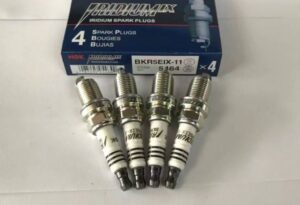
That’s a fantastic question, and one I’ve spent a fair bit of time exploring myself. When it comes to figuring out what are good spark plugs, it boils down to a few key factors: the material they’re made from, their heat range, and ensuring they’re specifically designed for your vehicle. Here’s a quick rundown based on my own garage adventures:
Spark Plug Materials: The Big Three
- Copper Spark Plugs: These are the classic workhorses. My old trusty truck, a real beast from the 90s, always ran great on copper plugs. They’re awesome conductors of electricity, which means a strong spark. The catch? They wear out quicker. I was changing them more often, but they were super affordable. If you’re looking for great conductivity and don’t mind more frequent changes, especially in older, less demanding engines, these can be a good choice.
- Platinum Spark Plugs: When I moved to a slightly newer sedan, platinum plugs became my go-to. They last much longer than copper, often two or three times as long! This was a huge win for me, as I wasn’t keen on being under the hood constantly. They offer good performance and durability, striking a nice balance between cost and longevity. For many modern cars, platinum is the standard recommendation.
- Iridium Spark Plugs: Now, for my current daily driver, I swear by iridium. These are the top dogs in terms of lifespan and consistent performance. They’re incredibly durable and produce a super-efficient, focused spark. Honestly, the difference in starting, smooth idling, and overall engine response is noticeable. They cost a bit more upfront, but the extended longevity (think 100,000 miles or more!) and reliable spark are worth every penny in my book. If you want the best of the best for modern, high-tech engines, iridium is often the answer to what are good spark plugs.
Heat Range: Not as Scary as It Sounds
This sounds technical, but it’s quite simple. Spark plugs come in ‘hot’ or ‘cold’ variations. It’s about how much heat the plug can dissipate away from the combustion chamber. A ‘colder’ plug dissipates heat faster and is typically used in high-performance engines to prevent pre-ignition. A ‘hotter’ plug retains more heat and is often preferred in standard engines to burn off deposits and prevent fouling. Always stick to the heat range recommended by your car’s manufacturer. Using the wrong one can definitely lead to problems; I once tried a slightly ‘colder’ plug in a standard engine hoping for a miracle, and it just made the engine run rough!
Gapping is Key!
No matter what type of plug you choose, getting the gap right is critical. The gap is the distance between the center and ground electrodes. A tiny difference can throw off your engine’s tune, leading to misfires, reduced fuel economy, or even engine damage. Always check your owner’s manual for the precise gap specification, and use a gapping tool. Even pre-gapped plugs sometimes need a minor adjustment – I’ve learned that lesson the hard way trying to skip this step once!
Brand Reputation and Vehicle Specificity
When asking what are good spark plugs, don’t overlook brand reputation. Stick to well-known, reputable brands like NGK, Denso, Bosch, and Champion. They’ve earned their stripes for a reason, investing in research and quality control. But above all, the absolute best spark plug for your car is the one specifically recommended by your vehicle manufacturer. Always consult your owner’s manual or a trusted parts catalog. Your car was engineered to work best with a certain type of plug, and deviating from that can cause more harm than good.
So, there you have it! Choosing what are good spark plugs isn’t some dark art. It’s about understanding the types available, respecting your car’s specific needs, and doing a little research. A well-chosen spark plug isn’t just a replacement part; it’s an upgrade to your driving experience. Here’s to smoother rides and happier engines!