For maximizing engine life, premium spark plugs made from iridium or platinum are consistently the top choice, offering superior durability and consistent performance. These advanced materials resist wear and corrosion far better than traditional copper, ensuring a stable, efficient spark that protects your engine’s internal components and promotes longevity. Ultimately, investing in these higher-quality plugs delivers peace of mind and reliable performance over the long haul.
What Are The Best Spark Plugs to Maximize Engine Life
Hey there, fellow car enthusiasts and savvy drivers! We all want our engines to run smoothly, efficiently, and last as long as possible, right? A common question that pops up in my conversations with friends is, “What are the best spark plugs to achieve that?” And honestly, it’s a fantastic question, because those tiny components play a huge role in your engine’s health.
The truth is, there isn’t one single “best” spark plug for every car out there. It’s more about finding the *right* spark plug for *your specific engine* to maximize its life and performance. Think of it like finding the perfect pair of running shoes – what works wonders for one person might not be ideal for another. But don’t worry, I’ve got some insights from my years of fiddling under the hood that will help you make an informed choice.
So, when we talk about maximizing engine life and performance, what are the best spark plugs for my car?
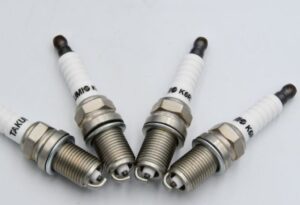
That’s the million-dollar question, and here’s the most important piece of advice I can give you: Always start with your vehicle manufacturer’s recommendation. Seriously, it’s in your owner’s manual for a reason! Manufacturers spend countless hours engineering engines and testing components to ensure optimal performance, fuel efficiency, and longevity. Deviating too far from their suggested spark plug type or heat range can actually do more harm than good, potentially causing misfires, reduced fuel economy, or even engine damage over time.
Now, let’s dive into the different types you’ll typically encounter and when they might be the best spark plugs for various situations, based on my own experiences:
- Copper/Nickel Spark Plugs: These are the traditional workhorses, often found in older vehicles or those designed for robust performance applications like some classic muscle cars. They have excellent conductivity and are very cost-effective. However, their main “downside” is a shorter lifespan, typically needing replacement every 10,000-20,000 miles. I once used these in an old truck because they were cheap and I enjoyed changing them frequently myself – a great way to bond with your vehicle! If your owner’s manual recommends copper, stick with it. Some engines actually perform better with them.
- Platinum Spark Plugs (Single and Double): These stepped up the game in terms of longevity. Platinum is harder than copper, so it wears down much slower, extending replacement intervals to around 40,000-60,000 miles. Single platinum plugs have platinum only on the center electrode. Double platinum plugs have platinum on both the center and ground electrodes, which is fantastic for engines with “waste spark” ignition systems (where spark flows in both directions), as it balances wear. I remember upgrading to double platinum in my family sedan years ago, and the difference in peace of mind knowing I wouldn’t have to touch them for a long time was worth it. Many modern cars came with platinum plugs from the factory.
- Iridium Spark Plugs: If you’re looking for the gold standard in longevity and often enhanced performance for modern vehicles, iridium plugs are generally considered among the best spark plugs. Iridium is even harder and more durable than platinum, allowing for a super fine center electrode that delivers a very concentrated, efficient spark. This leads to exceptional durability, often lasting 100,000 miles or more, better fuel efficiency, and more consistent ignition. My current daily driver uses iridium plugs, and honestly, the smoothness of the idle and consistent power delivery are noticeable. They cost more upfront, but when you factor in the extended service intervals and potential fuel savings, they often pay for themselves.
- Ruthenium Spark Plugs: The newest kid on the block! Ruthenium is an even rarer and harder metal than iridium. These plugs are designed to offer even greater longevity and sometimes slight improvements in ignition efficiency over iridium, especially under specific driving conditions. They’re still newer to the market, but definitely something to keep an eye on if your manufacturer starts recommending them.
Beyond the material, here are a few practical tips I’ve picked up:
- Heat Range: Your owner’s manual specifies a “heat range.” This isn’t about the spark plug’s temperature, but its ability to transfer heat away from the combustion chamber. Using the wrong heat range can lead to pre-ignition or fouling. Don’t mess with this unless you’re heavily modifying your engine and have professional advice!
- Gap Setting: Most spark plugs don’t come perfectly pre-gapped for your specific engine. A precise gap is critical for a strong, consistent spark. I learned this the hard way years ago when I just popped new plugs in without checking, leading to a slight misfire. Always double-check and adjust the gap if necessary, using the proper gapping tool.
- Listen to Your Engine: Signs of worn-out spark plugs include a rough idle, engine misfires, poor acceleration, and decreased fuel economy. Don’t wait until things get really bad! Regular checks and timely replacement are key.
In conclusion, when searching for the best spark plugs to maximize your engine’s life, prioritize your vehicle manufacturer’s recommendations above all else. Then, consider the different materials – copper for older engines or specific performance needs, platinum for solid longevity and value, and iridium for top-tier durability and performance in most modern vehicles. By choosing wisely and performing regular maintenance, you’ll keep your engine happy, healthy, and humming along for many miles to come!