Spark plugs are the vital ignitors within your engine, creating the precise spark needed to combust the air-fuel mixture and power your vehicle. They are absolutely critical for engine performance, fuel efficiency, and overall health, directly impacting power delivery and emissions. Understanding their role and ensuring they’re in top condition is thus fundamental to preventing costly engine problems and maintaining a smooth ride.
Have you ever had that sinking feeling when you turn the key, and your car just groans, refusing to start? Or perhaps you’ve noticed a strange little hiccup in your engine’s rhythm, a slight hesitation that wasn’t there before? It’s easy to overlook the myriad of components working tirelessly under your hood, but often, the culprit behind these frustrating moments is an unsung hero: the spark plug.
For many of us, the inner workings of a car engine feel like a mysterious labyrinth. We know it needs fuel, air, and a little push to get going, but how does that initial “push” happen so reliably, thousands of times a minute? That’s where understanding what are the spark plugs truly shines. These small, relatively inexpensive components play a monumental role in keeping your vehicle running smoothly, efficiently, and reliably.
Think of them as the tiny lightning bolts that ignite the power in your engine. Without them, your car is just a very heavy, very expensive piece of metal. So, let’s pull back the curtain and demystify these vital parts. By the end of this post, you’ll have a much clearer picture of what are the spark plugs, why they matter so much, and how to ensure they’re always in tip-top shape for your engine’s health.
Key Takeaways
- Spark plugs ignite fuel: Essential for engine combustion cycle.
- They indicate engine health: Read plugs for diagnostic clues.
- Impact performance and economy: Ensure optimal engine operation.
- Replace them regularly: Follow manufacturer’s maintenance schedule.
- Neglect leads to issues: Prevent misfires and reduced power.
- Choose correct plug type: Crucial for efficient, reliable function.
- Faulty plugs waste fuel: Replace promptly for better MPG.
📑 Table of Contents
What Exactly Are Spark Plugs and How Do They Work Their Magic?
At its core, a spark plug is a simple device with an incredibly important job: to ignite the air-fuel mixture in your engine’s combustion chambers. This ignition is what creates the miniature explosion that drives your pistons and ultimately powers your car down the road. It’s a continuous, rapid-fire process that happens thousands of times a minute while your engine is running.
The Basic Anatomy of a Spark Plug
Despite their critical function, spark plugs are quite straightforward in design. Let’s look at their main parts:
- Insulator: Made of ceramic material, this part prevents electricity from leaking out and also withstands extreme temperatures. It separates the central electrode from the metal shell.
- Central Electrode: This is the main conductor, typically made of copper, platinum, or iridium. It’s where the high voltage enters the spark plug.
- Ground Electrode: Welded to the metal shell, this electrode provides a ground path for the electrical current. The gap between the central and ground electrodes is where the spark jumps.
- Metal Shell (Housing): This threaded part allows the spark plug to be screwed into the cylinder head and provides a path for heat transfer.
- Terminal: The top part where the spark plug wire (or coil-on-plug) connects, delivering high voltage.
The Ignition Process Explained
The magic truly begins when your car’s ignition system sends a jolt of extremely high voltage – often tens of thousands of volts – down the spark plug wire to the central electrode of the spark plug. This immense electrical pressure builds up until it can no longer be contained. At that precise moment, it literally leaps across the small gap between the central electrode and the ground electrode, creating a brilliant, superheated spark.
This tiny spark, though fleeting, is powerful enough to ignite the finely atomized air and fuel mixture that has been compressed in the engine’s cylinder. The resulting combustion creates a rapid expansion of gases, forcing the piston downward. This movement is transferred to the crankshaft, which eventually powers your wheels. Each cylinder in your engine has at least one spark plug, and they all fire in a carefully timed sequence to keep your engine running smoothly. It’s a symphony of controlled explosions, all orchestrated by these tiny but mighty spark plugs.
Why Are Spark Plugs So Crucial for Your Engine’s Performance?
Understanding what are the spark plugs is one thing, but appreciating their critical role in your engine’s overall health and performance is another. They do far more than just “make a spark”; they are intimately linked to several key aspects of your car’s operation.
Fuel Efficiency
When a spark plug is healthy and fires correctly, it ensures a complete and efficient burn of the air-fuel mixture in the cylinder. This means you’re getting the most energy possible from every drop of gasoline. Worn or fouled spark plugs, on the other hand, can lead to incomplete combustion. This wastes fuel, meaning you’ll be spending more at the gas pump and getting fewer miles per gallon. It’s a direct hit to your wallet!
Engine Performance and Power
A strong, consistent spark is essential for optimal engine performance. Healthy spark plugs contribute to smooth acceleration, responsive power delivery, and a stable idle. If your spark plugs are struggling, you might experience engine misfires, a rough idle, noticeable hesitation during acceleration, or a general feeling of sluggishness. The engine just won’t feel as lively or powerful as it should.
Emissions Reduction
Efficient combustion doesn’t just save you fuel; it also reduces harmful emissions. When fuel is burned completely, fewer pollutants are released into the atmosphere. Faulty spark plugs leading to incomplete combustion mean more unburned hydrocarbons and other harmful gases exiting your exhaust system, contributing to air pollution and potentially causing your vehicle to fail emissions tests.
Decoding the Different Types of Spark Plugs
While the basic job of all spark plugs remains the same, the materials used in their electrodes can significantly impact their performance characteristics, longevity, and cost. Knowing the differences can help you make informed decisions when it’s time for replacement. Here’s a quick rundown of the main types of spark plugs you’ll encounter:
Copper Spark Plugs
These are the most traditional and affordable spark plugs. Copper is an excellent conductor of electricity, which makes them very efficient at creating a strong spark. However, copper is a relatively soft metal and wears down more quickly, especially in modern engines that run at higher temperatures and voltages. You’ll typically find copper spark plugs in older vehicles or those with less demanding ignition systems. Their lifespan is generally around 20,000-40,000 miles.
Platinum Spark Plugs
Platinum is a much harder metal than copper and has a higher melting point, making platinum spark plugs more durable. They are often found in modern vehicles and offer a longer lifespan, typically between 60,000-100,000 miles. Platinum spark plugs maintain a consistent gap for longer, leading to more reliable ignition over time. Some vehicles use “double platinum” spark plugs, which have platinum on both the central and ground electrodes, extending their life even further.
Iridium Spark Plugs
Considered the premium option, iridium spark plugs are the longest-lasting and highest-performing. Iridium is an even harder and more durable metal than platinum, allowing for a much finer (thinner) central electrode. This fine electrode requires less voltage to generate a spark, leading to more efficient combustion and a stronger spark. Iridium spark plugs are standard in many new vehicles today and can last an impressive 100,000 miles or more. They offer superior reliability and fuel efficiency.
Double Platinum/Iridium Spark Plugs
As mentioned, double platinum spark plugs feature platinum on both electrodes, which helps maintain the gap and extends life. Similarly, some high-performance or specialized applications might use iridium on both electrodes for maximum durability and performance. It’s always best to consult your car’s owner’s manual to determine the specific type of spark plugs recommended for your vehicle.
When Do Your Spark Plugs Need Attention? Signs of Trouble
Just like any other component in your car, spark plugs wear out over time. Recognizing the signs of failing spark plugs is key to preventing bigger issues and maintaining your engine’s health. Ignoring these symptoms can lead to reduced performance, higher fuel costs, and potentially more extensive engine damage. Here are the most common indicators that your spark plugs might be ready for replacement:
Engine Misfires or Rough Idling
This is perhaps the most common and noticeable sign. If your engine feels like it’s stumbling, skipping, or shaking, especially when idling or at low speeds, it’s a strong indicator of a misfire. A misfire occurs when one or more spark plugs fail to ignite the air-fuel mixture in a cylinder, leading to uneven power delivery and a rough sensation.
Difficulty Starting Your Car
If your car cranks for longer than usual before starting, or struggles to fire up, weak or worn-out spark plugs could be the cause. A strong, consistent spark is essential for initiating combustion, especially in colder temperatures. Without it, your engine won’t get the initial kick it needs.
Poor Fuel Economy
As we discussed, healthy spark plugs ensure efficient combustion. If you suddenly notice that you’re filling up your tank more often than usual, and your miles per gallon have dropped, failing spark plugs might be letting unburned fuel go to waste. This is a common consequence of inefficient ignition.
Lack of Acceleration or Power
Does your car feel sluggish when you press the accelerator? Does it struggle to climb hills or merge onto the highway? Worn spark plugs can directly impact your engine’s ability to produce power. Each misfire or weak spark means lost power, leading to a noticeable drop in overall performance.
Check Engine Light
Your “Check Engine” light can illuminate for many reasons, but often, it’s related to ignition system issues, including failing spark plugs. If the light comes on, it’s always a good idea to have the diagnostic codes read by a professional. Codes related to misfires (e.g., P0301, P0302, etc.) directly point to spark plug or ignition coil problems.
Maintaining Your Spark Plugs: When and How to Replace Them
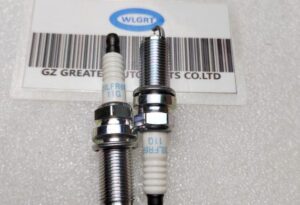
Once you understand what are the spark plugs and their importance, the next step is knowing how to care for them. Regular maintenance and timely replacement are critical for ensuring your engine’s longevity and performance.
Understanding Replacement Intervals
The lifespan of spark plugs varies significantly based on their material and your vehicle’s manufacturer recommendations. Always check your car’s owner’s manual for the precise service interval for your specific model. However, here are some general guidelines:
- Copper Spark Plugs: Typically need replacement every 20,000 to 40,000 miles.
- Platinum Spark Plugs: Generally last between 60,000 to 100,000 miles.
- Iridium Spark Plugs: Can often go 100,000 miles or even more before needing replacement.
Even if your car isn’t showing obvious symptoms, sticking to these recommended intervals is a smart preventative measure. Replacing spark plugs before they completely fail can save you from unexpected breakdowns and performance issues.
The Replacement Process: A Quick Overview
Replacing spark plugs can be a DIY task for some, while others prefer to trust a professional mechanic. If you’re considering doing it yourself, here’s a general idea of what’s involved:
- Gather Tools: You’ll need a spark plug socket, a ratchet, extensions, a torque wrench, and a gapping tool for certain types of spark plugs.
- Locate Spark Plugs: They are typically found on the engine’s cylinder head, often under ignition coils or wires.
- Remove Old Plugs: Carefully disconnect wires or coils, then use the spark plug socket to unscrew the old plugs. It’s crucial to remove one at a time to avoid mixing up wires.
- Inspect and Gap New Plugs: Check the new spark plugs for any damage. If required (and some modern plugs come pre-gapped), use a gapping tool to ensure the gap between the electrodes matches your vehicle’s specifications.
- Install New Plugs: Thread the new spark plugs into place by hand first to avoid cross-threading. Then, tighten them with your torque wrench to the manufacturer’s specified torque.
- Reconnect: Reattach the ignition coils or wires, ensuring they are securely fastened.
I remember when I first tried changing my own spark plugs on an older car; the sense of accomplishment was huge, but so was the careful attention required to avoid damaging anything. If you’re unsure, or if your spark plugs are difficult to access, a professional mechanic is always a wise choice.
Tips for Extending Spark Plug Life
While spark plugs have a finite lifespan, a few practices can help them perform optimally and potentially last longer:
- Use Quality Fuel: High-quality fuel burns cleaner, reducing deposits that can foul spark plugs.
- Regular Engine Maintenance: Keep up with oil changes, air filter replacements, and other routine services. A well-maintained engine puts less stress on its components.
- Address Engine Problems Promptly: Issues like oil leaks or improper air-fuel mixture can prematurely foul spark plugs. Get these problems fixed quickly.
So, the next time you hear your engine purring along, give a little mental nod to the spark plugs working tirelessly within. They might be small, but their role in your engine’s health and your driving experience is absolutely enormous. By understanding what are the spark plugs, recognizing the signs of wear, and staying on top of their maintenance, you’re not just taking care of a component; you’re investing in the longevity and reliability of your entire vehicle. Drive safe!
Frequently Asked Questions
What exactly are spark plugs and what is their primary function?
Spark plugs are small, yet crucial, electrical components found in a gasoline internal combustion engine. Their main purpose is to deliver a precisely timed electrical spark that ignites the compressed fuel-air mixture within the engine’s combustion chambers, initiating the power stroke.
Why is understanding spark plugs key to overall engine health?
Understanding spark plugs is vital because they are directly responsible for the efficient and consistent combustion process in your engine. Healthy spark plugs ensure optimal engine performance, fuel efficiency, and prevent issues like misfires, which can lead to costly engine damage over time.
What are the common signs of failing or worn-out spark plugs?
You might notice several symptoms if your spark plugs are failing, such as engine misfires, a rough or shaky idle, or difficulty starting your vehicle. Other common indicators include reduced fuel economy, sluggish acceleration, or a general loss of engine power.
How often should spark plugs be inspected or replaced?
The replacement interval for spark plugs varies significantly depending on your vehicle’s make and model, as well as the type of spark plug installed (e.g., copper, platinum, iridium). Always consult your car’s owner’s manual, but generally, intervals can range from 30,000 to over 100,000 miles.
How do spark plugs actually create the ignition spark?
Spark plugs work by receiving a high-voltage pulse from the ignition coil. This voltage travels down the central electrode and, when it reaches a sufficient level, jumps the small gap to the ground electrode, creating an electrical arc or spark. This spark then ignites the atomized fuel-air mixture in the cylinder.
Can faulty spark plugs affect my car’s fuel economy and emissions?
Yes, absolutely. Faulty or worn spark plugs can lead to incomplete combustion, meaning your engine isn’t burning fuel efficiently. This directly results in decreased fuel economy, requiring your engine to use more fuel to produce the same power, and can also lead to increased harmful exhaust emissions.