A spark plug is the essential component that ignites the air-fuel mixture inside your car’s engine cylinders. By delivering a precisely timed electrical spark, it triggers the controlled combustion necessary to create power, ultimately driving your vehicle. Without this crucial spark, your engine simply cannot start or run.
Ever wondered what tiny part makes your car roar to life? It’s often the humble spark plug! Think of it like a tiny, perfectly timed lightning bolt inside your engine. Without it, your car would just sit there, silent and still. In simple terms, a spark plug is the unsung hero that kick-starts the entire combustion process, turning fuel into the power that moves your wheels. It’s a pretty cool job for such a small component!
I remember feeling completely clueless about what goes on under the hood until a mechanic friend explained it to me. Understanding what a spark plug does in a car isn’t just for mechanics; it helps us all appreciate our vehicles a little more and even catch potential issues early. So, let’s peel back the layers and uncover the secrets of this vital component.
What exactly does a spark plug do in a car’s engine, and why is it so important?
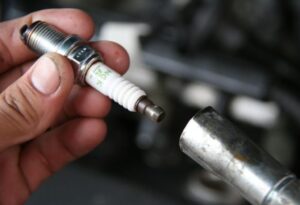
Alright, let’s get down to the nitty-gritty of what does a spark plug do in a car. Imagine your engine as a highly organized dance party. For your car to move, it needs to burn fuel. This burning happens in small, controlled explosions inside each of your engine’s cylinders. And guess what’s responsible for igniting those explosions? You guessed it – the spark plug!
Here’s how it works:
- The Air-Fuel Mix: First, a precise mixture of air and fuel gets drawn into a cylinder. This mixture is highly combustible, meaning it’s ready to ignite.
- Compression: A piston then moves up, compressing this air-fuel mixture into a much smaller space. Think of it like squeezing a spring; it builds up a lot of potential energy.
- The Spark!: This is where our hero steps in. At precisely the right moment, the ignition coil sends a super high-voltage electrical current to the spark plug. This current travels down the spark plug’s central electrode and jumps a small gap to a ground electrode. This jump creates a powerful, hot electrical spark – like a miniature lightning strike!
- Combustion & Power: That spark instantly ignites the compressed air-fuel mixture. The resulting explosion pushes the piston back down with immense force, which then turns the crankshaft, eventually sending power to your wheels. This entire process happens thousands of times a minute while you’re driving!
So, the spark plug’s job is literally to provide the fire needed for your engine to run. Without that precisely timed spark, the fuel-air mixture wouldn’t ignite, and your car wouldn’t have any power. It’s truly that crucial for what does a spark plug do in a car.
My Experience and Tips:
I learned the hard way about the importance of good spark plugs when my old car started to feel sluggish and chug. It was losing power, especially going uphill, and the fuel economy dropped like a stone. That sputtering feeling? That’s your engine telling you its spark plugs might be struggling to ignite the fuel properly. The “Check Engine” light might even pop on!
My mechanic explained that old, worn-out spark plugs can’t produce a strong, consistent spark. This leads to what’s called a “misfire.” A misfire means some of those little explosions aren’t happening, or they’re happening weakly, which wastes fuel and reduces power. It’s like trying to start a campfire with a damp match; it just doesn’t work well.
Here are a few things I’ve picked up over the years:
- Listen to your car: If it starts running rough, idling unevenly, or feels less responsive, worn spark plugs could be the culprit.
- Fuel Efficiency: A big sign for me was when my gas mileage suddenly got worse. Good spark plugs help ensure all the fuel burns efficiently.
- Maintenance Matters: Spark plugs aren’t meant to last forever. They wear down over time because of the constant heat and electrical discharge. My car’s manual recommended changing them every 30,000 to 100,000 miles, depending on the type (copper, platinum, iridium). It’s a maintenance item you definitely shouldn’t skip.
- Don’t DIY if Unsure: While some people change their own, if you’re not comfortable, it’s always best to have a professional handle it. Getting the wrong type or gapping them incorrectly can cause more problems.
Understanding what does a spark plug do in a car really helps you connect with your vehicle. It’s a small component with a monumental task, keeping everything firing smoothly.
So, there you have it! The spark plug, that unassuming little part, is truly the heart of your engine’s combustion. It’s the silent igniter, making sure that every drop of fuel works hard to get you where you need to go. Keeping them in good shape means a happier, more efficient car, and a smoother ride for you. Next time you start your car, give a little nod to those hardworking spark plugs!