Oil on your spark plugs is a serious warning sign of underlying engine problems, often leading to performance issues like misfires or reduced power. Causes can range from less severe issues like worn valve stem seals to critical failures such as bad piston rings or a compromised head gasket. Therefore, prompt diagnosis and repair are essential to prevent further engine damage and maintain vehicle reliability.
What Does Oil on Spark Plugs Mean Your Guide to Engine Health
Hey there, ever pulled out a spark plug from your car and found it looking a little… greasy? If you’ve spotted oil on spark plugs, it’s completely natural to feel a knot in your stomach. It’s definitely a sign your engine is trying to tell you something, but don’t panic! While it usually points to an internal issue, it’s often fixable, and understanding what’s going on is the first step.
Finding oil on spark plugs means that engine oil has somehow made its way into the combustion chamber or, more commonly, around the spark plug tube itself. This isn’t where oil is supposed to be, as its job is to lubricate internal moving parts, not to hang out with your spark plugs. Let’s break down what exactly this means for your ride.
What exactly does oil on spark plugs mean, and what should I do about it?
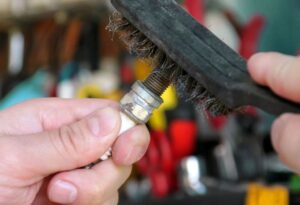
When you see oil on spark plugs, it’s a clear signal that something isn’t quite right with your engine’s seals or internal components. It’s like finding a small leak in your roof – it might start small, but it needs attention. From my own experiences and what my trusted mechanic, Bob, has taught me over the years, there are a few common culprits behind this oily mess.
The Causes Behind Oil on Spark Plugs:
- Leaky Valve Cover Gasket: This is probably the most common reason you’ll find oil around the base of the spark plug, not necessarily on the tip itself. The valve cover gasket seals the top of your engine, preventing oil from escaping. Over time, these gaskets can dry out, crack, and fail, letting oil seep into the spark plug tubes. I remember the first time I saw this on my old sedan; it looked intimidating, but a new gasket and some careful elbow grease solved it fairly easily.
- Worn Piston Rings: Now, this one’s a bit more serious. Piston rings create a seal between the piston and the cylinder wall. If these rings are worn out, they can allow oil from the crankcase to sneak past the pistons and into the combustion chamber, where it burns or fouls your spark plugs. You might see more of a carbonized oil residue directly on the spark plug tip. A friend once neglected this, and his car started drinking oil like it was going out of style, eventually leading to a costly repair.
- Worn Valve Seals: Another sneaky culprit! Valve seals prevent oil from flowing down the valve stems into the combustion chamber. Like piston rings, if these seals wear out, oil can drip into the cylinders and get burned, leading to deposits on your spark plugs and often a puff of blue smoke from the exhaust, especially when you start the car or decelerate.
- PCV (Positive Crankcase Ventilation) Valve Issues: This small part has a big job. The PCV valve helps vent combustion gases from the crankcase. If it gets stuck or clogged, pressure can build up inside the engine, forcing oil into places it shouldn’t be, including past seals and into the combustion process. It’s often an inexpensive fix that can prevent bigger headaches down the road.
What to Look Out For (Symptoms):
Beyond the visual evidence of oil on spark plugs, your car might give you other hints:
- Engine Misfires or Rough Idling: Oily spark plugs can’t ignite fuel properly, leading to a shaky engine and reduced power.
- Blue Smoke from the Exhaust: This is a classic sign of oil burning in the combustion chamber.
- Increased Oil Consumption: Constantly topping up your oil? Your engine might be “eating” it.
- Check Engine Light: Your car’s way of saying, “Hey, something’s up!”
What Should I Do About It? (Practical Tips):
- Don’t Panic, But Don’t Ignore It: As soon as you notice oil on spark plugs, make it a priority. Small problems can quickly escalate.
- Identify the Source: If it’s just around the spark plug tube, a leaky valve cover gasket is a strong suspect. If the oil is on the tip, then internal engine issues like rings or seals are more likely. My mechanic Bob once taught me to clean everything really well, run the engine for a bit, then re-check to pinpoint the exact leak.
- Check Your Oil Regularly: This seems simple, but it’s crucial. Knowing your oil consumption helps diagnose the severity.
- Consider a PCV Valve Check/Replacement: It’s a relatively easy and inexpensive part to replace, and often it can resolve minor oil consumption issues.
- DIY or Professional Help?
- DIY: Replacing a valve cover gasket or a PCV valve can be a DIY project for those comfortable with basic car maintenance. There are plenty of online guides to walk you through it. I’ve learned to pick my battles; gaskets I can usually handle, but anything internal, I call Bob.
- Professional: If you suspect worn piston rings or valve seals, it’s best to consult a trusted mechanic. These are more involved repairs that require specialized tools and expertise.
Ultimately, finding oil on spark plugs is your engine’s way of asking for some attention. Addressing it promptly can save you from bigger headaches and more expensive repairs down the road. Keep an eye on your engine’s symptoms, don’t be afraid to get your hands a little dirty, and when in doubt, call in the professionals. Your car (and your wallet) will thank you!