Your engine’s oil filter screws directly into the engine block or an attached oil filter housing/adapter, establishing a vital connection for the lubrication system. This allows dirty oil to flow from the engine, through the filter for purification, and then back as clean oil to lubricate critical moving parts, highlighting its crucial role in engine health.
Hey there, fellow car enthusiast (or just someone curious about what’s under the hood!). Ever stand there, oil filter in hand, ready for that satisfying twist, and wonder, “What exactly does this thing screw into?” It’s a great question, and one many of us ponder during an oil change. Well, let me tell you, the oil filter doesn’t just screw into thin air!
Simply put, the oil filter screws onto a component called the oil filter housing or oil filter adapter. This housing is a critical part of your engine’s lubrication system, designed specifically to provide a secure mounting point for the filter and direct the flow of oil. It’s a vital connection that ensures your engine gets properly filtered oil, keeping it running smoothly.
So, what exactly does the oil filter screw into, and why is it so important?
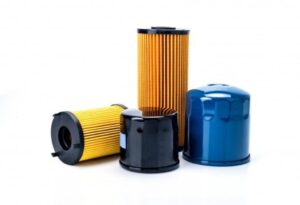
The oil filter screws directly onto the oil filter housing, which is typically cast as part of the engine block or bolted securely to it. Think of this housing as the specialized gateway where dirty oil enters the filter and clean oil exits to circulate through your engine.
This housing usually features a threaded stud, often called a filter nipple, that perfectly matches the threads inside your spin-on oil filter. Beyond just threads, the housing also incorporates sealing surfaces for the filter’s gasket or O-ring, ensuring a leak-proof connection. It’s a precisely engineered part that facilitates the entire oil filtration process.
Why is this setup so important? Well, imagine trying to filter something without a proper container! The housing ensures that all the oil flowing through your engine’s lubrication system is directed through the filter before it reaches critical engine components. It contains the oil under pressure and provides the necessary structure for the filter to do its job. Without a robust and correctly installed oil filter housing, your filter couldn’t function, leading to unfiltered oil circulating and causing potentially severe engine wear over time. It’s also where important elements like the oil pressure relief valve or a bypass valve might be located, ensuring oil flow even if the filter becomes clogged.
I remember my first oil change on my old sedan. I was so focused on getting the filter off and on, I didn’t fully appreciate the robust piece of metal it was attaching to. I learned quickly that keeping that housing clean is just as important as the filter itself. One time, I almost forgot to remove the old gasket that was stuck to the housing, which could have led to a nasty leak! Always double-check that the old gasket is off before you screw into the new filter. It’s a common rookie mistake, but easily avoided!
Here are a few practical tips from my own garage experiences:
- Clean the Housing: Before you screw the new oil filter on, always wipe down the filter housing’s mating surface. A clean surface ensures a perfect seal for the new filter’s gasket.
- Lubricate the Gasket: Put a thin film of fresh engine oil on the new oil filter’s rubber gasket. This helps it seal properly and prevents it from sticking to the housing, making removal easier next time.
- Hand Tighten: Most spin-on filters are designed to be hand-tightened plus an additional quarter to half turn. Over-tightening can damage the filter or the housing, making it a nightmare to remove later. Trust me, I’ve seen friends struggle with filters that were practically welded on from over-tightening!
- Check for Leaks: After starting the engine and letting it run for a minute, always check around where the oil filter screws into the housing for any drips. A small leak can quickly become a big problem.
- Use the Right Filter: Always use the correct oil filter specified for your vehicle. Different vehicles have different thread sizes and gasket dimensions for where the oil filter screws into, so matching it perfectly is crucial for proper fit and function.
So, the next time you’re doing an oil change, you’ll know precisely what the oil filter screws into: a well-designed, vital piece of your engine called the oil filter housing. Understanding this connection helps you appreciate the simple yet crucial mechanics of keeping your engine healthy and ensures you’re confident in your DIY oil change skills!