Using the wrong oil filter significantly increases the risk of catastrophic engine damage, jeopardizing your vehicle’s performance and longevity. Key dangers include ineffective oil filtration, allowing abrasive contaminants to circulate, or an improper fit leading to oil leaks, reduced pressure, or even engine starvation. Always prioritize using the manufacturer-recommended filter to safeguard your engine’s health.
What Happens If You Use The Wrong Oil Filter? Know The Risks
Hey there, fellow car enthusiasts and everyday drivers! We’ve all been in that situation at the auto parts store. You grab an oil filter, maybe thinking, “close enough, right?” But let me tell you, using the wrong oil filter can lead to surprising, costly issues. It’s not just about clean oil. It’s about ensuring your engine runs smoothly and stays protected.
In short, if you use the wrong oil filter, you risk oil leaks, improper filtration, and even severe engine damage over time. This small part requires a precise fit and function. It’s absolutely critical to your engine’s health.
What Exactly Happens If You Use The Wrong Oil Filter, And Why Is It Such A Big Deal?
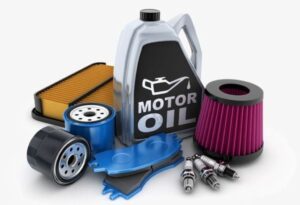
When it comes to your car’s heart – the engine – every component plays a vital role. The oil filter might seem simple. However, picking the wrong oil filter can cause a cascade of problems. Think of it like trying to wear shoes that don’t quite fit. It might work for a bit, but eventually, you’ll feel the pain.
Here’s a breakdown of what can go south:
- The Dreaded Oil Leak: This is often the first thing you’ll notice if you use the wrong oil filter. If the threads don’t match perfectly, or the gasket size is off, the filter won’t seal properly. It might leak against the engine block. I once helped a friend who swore his car was just “sweating oil.” Turned out, he’d used a filter that seemed to fit but had a slightly different thread pitch. Oil leaks can deplete your oil level quickly. This leads to friction and overheating.
- Incorrect Oil Pressure and Flow: Each engine is designed for a specific oil flow rate and pressure. A filter that’s too restrictive might be too small or have a dense media. This can starve your engine of vital oil, especially during cold starts. On the flip side, one that’s too large or has a bypass valve set for a different pressure could let unfiltered oil circulate. Or worse, it could rupture under pressure. Your engine parts need that constant, clean oil bath!
- Poor Filtration Efficiency: Not all filters are created equal. They have different micron ratings. These tell you how small of a particle they can capture. If you install the wrong oil filter with a lower filtration capacity, more contaminants will circulate. Things like metal shavings and dirt will pass through your engine. Over time, this abrasive sludge grinds away at internal components. It accelerates wear and tear. Imagine trying to clean a dusty room with a sieve instead of a proper vacuum!
- Bypass Valve Malfunction: Many oil filters have a bypass valve. If the filter media gets clogged, this valve opens. It allows unfiltered oil to reach the engine. This prevents oil starvation. If you use the wrong oil filter, this valve might open too soon. This lets dirty oil through constantly. Or it might open too late, starving the engine of oil. Neither scenario is good for long-term engine health.
- Physical Damage to the Filter or Engine: In rare but serious cases, a poorly fitting filter can vibrate loose. It might rupture, or even detach completely. This instantly dumps all your engine oil. It can lead to catastrophic engine failure if not caught immediately. A friend of mine had this happen on a cross-country trip. Luckily, he heard the strange knocking just in time!
So, how do you avoid these headaches? It’s simpler than you think:
- Always Check Your Owner’s Manual: This is your car’s bible! It lists the exact specifications for the correct oil filter.
- Use Reputable Parts Stores or Dealerships: They have databases. These can cross-reference your car’s make, model, and year. They will find the precise filter you need. Don’t just eyeball it!
- Don’t Skimp on Quality: Saving a few bucks on a cheaper, generic filter might seem smart. However, the potential repair costs far outweigh the savings. Invest in a quality filter designed for your vehicle.
I always make it a point to double-check the part number against my car’s manual. I do this even when the auto parts store staff assures me it’s correct. It’s a quick habit that saves a lot of worry, preventing you from ever installing the wrong oil filter.
Ultimately, an oil filter is a small part with a huge job: protecting your engine from harmful contaminants. Taking a moment to ensure you have the correct one can save you from a world of trouble, expensive repairs, and unnecessary stress. Don’t let the simplicity of an oil filter fool you; its precision is key to a happy, long-lasting engine. Drive safe and keep those engines healthy!