A fuel filter is an essential guardian in your vehicle’s fuel system, meticulously designed to remove harmful contaminants and impurities from the fuel before it reaches your engine. This critical filtration process actively protects vital engine components, such as fuel injectors and the fuel pump, from wear and damage, thereby preserving your engine’s performance and lifespan. Without it, even microscopic debris can cause significant and costly engine failures.
What Is A Fuel Filter How It Protects Your Engine
Hey there, fellow car enthusiast (or just someone who uses a car!). Ever wondered about all those hidden parts under the hood or beneath your vehicle? It’s easy to overlook the small stuff, but some of those tiny components do mighty work. Today, we’re diving into one such unsung hero: the fuel filter.
Think of your car’s engine as a very sophisticated chef, and the fuel as its ingredients. Just like a chef needs clean ingredients for a perfect dish, your engine needs pure, clean fuel to run smoothly and efficiently. That’s precisely where the fuel filter steps in – it’s the vigilant bouncer ensuring only the good stuff gets through, protecting your engine from harm.
What is a fuel filter and why is it so vital for my car’s engine?
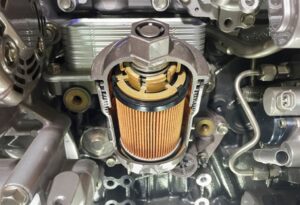
Simply put, a fuel filter is a small, canister-shaped component designed to screen out impurities from the fuel before it reaches your engine’s delicate components. Imagine all the dirt, rust, paint chips, and other tiny debris that can make their way into your gas tank from various sources – maybe from the gas pump itself, the fuel lines, or even just rust flaking off the inside of an older tank. Without a fuel filter, all that gunk would be pumped directly into your fuel injectors and combustion chamber.
I like to think of it as my car’s personal security guard for the fuel system. Its job is crucial because modern engines, especially those with fuel injection systems, are incredibly precise. The tiny nozzles in your fuel injectors spray fuel in a very fine mist. Even a microscopic speck of dirt can clog these nozzles, leading to a whole host of problems. Picture trying to water plants with a clogged garden hose – it just doesn’t work right!
When a fuel filter gets clogged over time (which it inevitably does, as it’s doing its job!), the fuel flow to the engine becomes restricted. This is where you might start noticing issues. Your car might feel sluggish, especially when accelerating or going uphill. It might hesitate, misfire, or even stall. Sometimes, you’ll experience trouble starting the car, or you might even see your ‘check engine’ light illuminate. These aren’t just minor annoyances; they’re your car crying out for help. Ignoring these signs can lead to much more expensive repairs, like replacing clogged fuel injectors or even the fuel pump itself – believe me, I’ve seen friends get hit with those bills, and they’re no fun!
So, why is it vital? Because it prevents expensive damage. By catching debris, it ensures your engine gets a steady, clean supply of fuel, allowing it to perform optimally and efficiently. This translates to better gas mileage, smoother operation, and a longer life for your engine. Replacing this relatively inexpensive part as recommended by your car’s manufacturer (usually every 20,000 to 60,000 miles, but always check your owner’s manual!) is one of the easiest ways to prevent future headaches and keep your car running happily. It’s truly a small investment for massive protection.
Personal tip: I learned this the hard way with my first car. I ignored a slight hesitation, thinking it was just an old car quirk. Eventually, it got worse, and a mechanic diagnosed a completely choked fuel filter. While the filter itself was cheap, the stress and inconvenience of a struggling car weren’t! Now, it’s on my regular maintenance checklist, and I encourage everyone to do the same. If your car feels like it’s “catching its breath” sometimes, especially when you step on the gas, definitely have your fuel filter checked. It’s often the simplest fix for seemingly bigger problems.
So there you have it! The humble fuel filter might be out of sight, but it’s certainly not out of mind for your engine’s health. It’s a quiet guardian working tirelessly to keep your fuel system pristine and your engine purring. Don’t underestimate its importance – a little proactive maintenance can save you a lot of trouble and expense down the road. Keep your fuel clean, and your engine will thank you!