The oil filter housing is a vital engine component that securely encases the oil filter, ensuring clean oil continuously circulates to protect your engine. This essential unit integrates the filter into the engine’s lubrication system, often containing crucial elements like oil coolers or pressure sensors. Understanding its role is key to preventing leaks, maintaining optimal engine health, and avoiding costly damage from contaminated oil.
Hey there, fellow car enthusiast! Ever popped the hood of your car and wondered about all those intricate bits and bobs? It’s like a mechanical wonderland, right? Today, we’re going to demystify one of those crucial components that quietly does a super important job: the oil filter housing. Think of it as the sturdy home for your oil filter, making sure your engine’s lifeblood stays clean.
Simply put, an oil filter housing is the sealed unit that holds your engine’s oil filter. It’s a critical part of your car’s lubrication system, ensuring that every drop of oil gets properly filtered before it circulates through your engine. Without it, your oil filter wouldn’t have a secure place to live or a proper pathway for oil to flow, and that’s something no engine wants!
What is an Oil Filter Housing, and Why Does It Matter So Much for Your Engine’s Health?
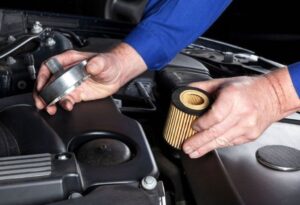
Alright, let’s dive deeper into this unsung hero of your engine bay. An oil filter housing is essentially a casing, often made of plastic or metal, that the oil filter either screws into or sits inside. Its main job is to create a secure, leak-proof environment for the oil filter and to direct the engine oil through the filter medium. This ensures that contaminants like dirt, metal shavings, and sludge are trapped, keeping your engine oil clean and efficient.
From my own experience, I’ve seen firsthand how a healthy oil filter housing is key. I once helped a friend troubleshoot a persistent oil leak, and after ruling out the drain plug and the filter itself, we traced it right back to a cracked plastic oil filter housing. It was a classic “aha!” moment, showing just how vital this component is.
Here’s a closer look at why it’s so important and what you should know:
- It’s the Filter’s Home: Imagine trying to filter water without a pitcher or a spout. That’s essentially what an engine would be doing without a proper oil filter housing. It provides the necessary structure and sealed pathways for oil to enter, get filtered, and then return to the engine.
- Crucial for Oil Flow: The housing is designed with specific inlets and outlets that direct the flow of oil. Dirty oil enters one side, passes through the filter, and then clean oil exits the other side, ready to lubricate your engine’s moving parts. Any blockage or damage to the oil filter housing can disrupt this vital flow.
- Protection from Leaks: It’s built to withstand the pressure and temperature fluctuations of engine operation. Gaskets and O-rings create a tight seal between the housing and the engine block, preventing messy and dangerous oil leaks. I remember the relief when we finally replaced that cracked housing for my friend – no more oil puddles under his car!
- Common Issues to Watch For: While sturdy, oil filter housings aren’t immune to problems.
- Cracks: Especially with plastic housings, extreme heat cycles can make them brittle over time. I’ve heard stories, and seen a few myself, where a small crack leads to a significant oil leak.
- Gasket Failure: The seals can degrade or become brittle, leading to leaks. This is a common culprit, and often easier to fix than a cracked housing.
- Damage during Oil Changes: Overtightening or improper installation of the oil filter can sometimes damage the housing or its internal components. My mechanic once showed me a housing that had been cross-threaded by a previous DIY attempt, which was quite an educational moment.
- Signs of Trouble: How do you know if your oil filter housing might be failing? Keep an eye out for:
- Visible oil leaks or puddles under your car.
- A burning oil smell, especially after driving, as oil drips onto hot engine parts.
- An illuminated “Check Engine” or “Low Oil Pressure” light on your dashboard.
- Maintenance Tips: During your oil changes, always check the area around the oil filter housing for any signs of leaks or cracks. Make sure your mechanic or you use the correct torque specifications when installing a new oil filter, especially with cartridge-style filters that sit inside a plastic housing. This can prevent damage and ensure a proper seal.
Understanding the oil filter housing really clicked for me when I realized it’s not just a holder; it’s an active part of the filtration process. It’s the gatekeeper, making sure only clean oil gets to do its job. So, next time you or your mechanic perform an oil change, give a little nod of appreciation to that often-overlooked housing!
In a nutshell, the oil filter housing is a small but mighty player in keeping your engine purring happily. It provides the structure, seals, and pathways necessary for effective oil filtration, safeguarding your engine from wear and tear. Knowing what it is and what to look for can save you a lot of headaches and keep your car running smoothly for miles to come. Happy driving!