The fuel filter’s primary role is to meticulously remove harmful contaminants like dirt, rust, and debris from your vehicle’s fuel supply before it reaches the engine. This critical filtration process safeguards sensitive fuel system components, especially injectors and the fuel pump, from premature wear and damage. By ensuring only clean fuel enters the engine, it guarantees optimal performance, fuel efficiency, and long-term reliability for your vehicle.
What is the Main Job of the Fuel Filter Explained
Ever wondered about the little heroes working hard under your car’s hood? One unsung champion, often out of sight, is the fuel filter. Its main job is actually quite simple, but incredibly vital: it cleans your car’s fuel. Think of it like a coffee filter for your engine, ensuring only the purest brew reaches the critical parts that make your car go.
Just like you wouldn’t want to drink coffee with grounds in it, your engine definitely doesn’t want dirt and debris in its fuel supply. The fuel filter acts as a protective barrier, making sure every drop of gasoline or diesel is as clean as possible before it gets burned for power.
What exactly is the main job of the fuel filter, and why is it so important for my car?
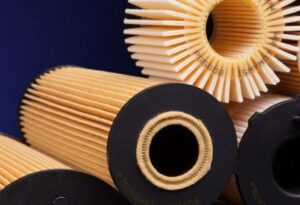
The primary role of the fuel filter is to trap contaminants and impurities present in the fuel before they can reach sensitive components like your engine’s fuel injectors, carburetor (in older cars), or the fuel pump itself. These contaminants can include everything from rust particles flaking off the inside of your gas tank, dirt that might get into the tank during refueling, or even tiny debris from the fuel station’s storage tanks.
Imagine tiny pieces of grit and grime trying to squeeze through microscopic openings in your fuel injectors. Without a proper fuel filter, these particles would quickly clog those precise nozzles, disrupting the fuel spray pattern, or worse, causing significant wear and tear. This leads to a whole host of problems: your engine might start running rough, feel sluggish when you try to accelerate, or even stall completely. I once had a car that started sputtering on the highway, and it turned out to be a severely clogged fuel filter. The difference after replacing this small but mighty component was day and night!
A healthy fuel filter ensures a smooth, consistent flow of clean fuel to the engine. This clean fuel allows your engine to operate at peak efficiency, maintaining good performance and optimal fuel economy. When the filter gets clogged over time, it restricts fuel flow, forcing the fuel pump to work harder, which can shorten its lifespan. It’s like trying to breathe through a very stuffy nose – you have to work much harder to get air, and you don’t feel so good.
Replacing the fuel filter regularly, as recommended in your car’s owner’s manual (often every 30,000 to 60,000 miles, but check your specific vehicle), is one of the easiest and most cost-effective ways to prevent expensive engine repairs down the line. I always make sure to mention this crucial item during my routine service appointments. It’s a small investment that guards against big headaches. When my mechanic showed me the old filter from my car once, it was incredibly dark and filled with gunk – a clear visual reminder of just how much dirt the fuel filter had kept out of my engine!
In short, the fuel filter is a vital part of your car’s fuel system. It acts as the gatekeeper, standing guard to protect your engine from harmful debris, ensuring it receives only the clean fuel it needs to run smoothly, efficiently, and reliably for many miles to come. Ignoring this small but mighty component can lead to poor performance, reduced fuel economy, and potentially very costly repairs, making its diligent work truly invaluable.