The ultimate purpose of an oil filter is to critically protect your engine’s longevity and performance by continuously purifying its lubricating oil. It efficiently traps harmful contaminants like dirt, metal particles, and sludge, preventing them from circulating and causing severe wear on vital internal components. This filtration ensures your engine runs smoothly, efficiently, and reliably for thousands of miles.
Ever wondered about the unsung hero tucked away in your car’s engine? It’s the oil filter! Think of your car’s engine as its heart, and the engine oil as its lifeblood. Just like your body needs clean blood to function, your car’s engine needs clean oil to perform its best and last a long time.
So, what is the purpose of an oil filter? In simple terms, its job is to keep that vital engine oil sparkling clean. It’s a small but mighty component that plays a gigantic role in protecting your engine from wear and tear, ensuring smooth sailing mile after mile.
What is the purpose of an oil filter, and why is it so important for my car’s health?
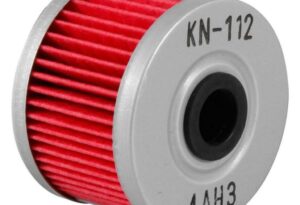
Let’s dive into it. The primary purpose of an oil filter is incredibly straightforward yet profoundly critical: to remove contaminants from your engine oil. Over time, as your engine runs, tiny bits of metal, dirt, dust, and combustion byproducts like carbon deposits inevitably find their way into the oil. Without an effective oil filter, these harmful particles would circulate freely, turning your engine’s lubricant into a gritty, abrasive sludge.
Imagine sand getting into the gears of a finely tuned clock – that’s what dirty oil does to your engine! The oil filter acts as a crucial barrier, trapping these impurities before they can cause damage. It’s essentially your engine’s kidney, constantly filtering out the bad stuff so only clean oil flows through.
Here’s how it generally works: Engine oil is pumped through the filter’s specially designed paper or synthetic media. This media is usually folded into pleats, creating a large surface area in a compact space. As the oil passes through, the tiny pores in the filter material catch and hold onto all those microscopic nasties, allowing only purified oil to return to lubricate your engine’s moving parts. This ensures that crucial components like pistons, crankshafts, and camshafts remain well-oiled and protected from friction and excessive wear.
Why is this so important? Well, a clean supply of engine oil means less friction, less heat buildup, and a significantly longer lifespan for your engine. I once had a friend who, let’s just say, wasn’t too diligent about oil changes and using a good quality oil filter. His engine eventually seized up prematurely – a very costly lesson learned about the importance of clean oil and a functioning oil filter.
Practical Tips and Personal Insights:
- Follow the Schedule: Based on my years of driving, it’s absolutely vital to replace your oil filter every time you change your engine oil, or at least according to your car manufacturer’s recommended schedule. This is usually every 3,000 to 10,000 miles, depending on your car and the type of oil you use. Don’t skip it!
- Quality Matters: Don’t try to save a few bucks by opting for the cheapest oil filter on the shelf. A higher-quality filter often means better filtration efficiency and a longer service life. I always recommend using a reputable brand; it’s a small investment that protects a much larger one – your engine!
- DIY Insights: If you’re comfortable with basic car maintenance, changing your own oil filter is definitely doable. Just make sure you have the right tools, refer to your car’s service manual, and always remember proper disposal of the old oil and filter. Safety first, always!
- Recognizing Issues: While you can’t visually inspect a working oil filter, if you notice your oil pressure light coming on frequently, or if your engine sounds unusually loud, it could be a sign of a severely clogged oil filter starving your engine of proper lubrication.
Ultimately, a healthy oil filter ensures that your engine oil can do its job effectively: lubricating, cooling, cleaning, and protecting. It helps your car run smoother, perform better, and avoids expensive repairs down the line.
So, the next time you think about your car’s health, remember the humble but powerful oil filter. It’s a small part, but its impact on your engine’s longevity and performance is enormous. Keeping it clean and replacing it regularly is one of the easiest and most effective ways to show your car some love and keep it purring for years to come.