The real truth is that spark plugs rarely “go bad” on their own due to simple age; instead, their failure is almost always a symptom of deeper, underlying engine problems. Issues like improper fuel-air mixtures, excessive oil burning, or even incorrect plug heat range and installation are the true culprits, causing fouling, overheating, or physical damage that compromises performance. Understanding these root causes is crucial for effective diagnosis and prevention.
The Real Truth What Makes Spark Plugs Go Bad Revealed
Ever wonder why those tiny little spark plugs in your car decide to call it quits? It’s a super common question, and honestly, it’s not always just about old age. While they definitely have a lifespan, sometimes, a spark plug going bad is actually trying to tell us something bigger is going on under the hood. It’s like a little detective clue!
It’s easy to just blame the plug itself, but often, the plug is a symptom, not the root cause. Understanding what *really* makes them fail can save you a lot of headaches and even prevent more serious engine issues down the line. Let’s dig into the nitty-gritty of why these crucial components sometimes give up the ghost.
So, Really, What Makes Spark Plugs Go Bad?
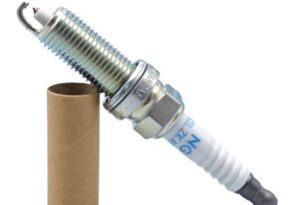
Ah, the million-dollar question! It turns out, what makes spark plugs go bad can be a whole mix of things, from simple wear and tear to more complex engine troubles. Think of your spark plugs as the tiny heroes igniting the air-fuel mixture in your engine; they’re constantly working in a harsh environment, so some wear is normal.
First off, there’s normal wear and tear. Every time your engine fires, a small amount of material erodes from the spark plug’s electrodes. Over tens of thousands of miles, that gap gets wider and wider. A wider gap demands more voltage to jump, stressing your ignition system and eventually leading to misfires. My own car once started idling rough, and sure enough, the old plugs had huge gaps. Swapping them made a world of difference!
But then, there’s the really interesting stuff – when something else in your engine is causing the spark plugs to go bad prematurely. This is where they become invaluable diagnostic tools:
- Fouling (Carbon, Oil, or Ash Deposits): This is a big one.
- Carbon Fouling: If your spark plugs are covered in black, sooty carbon, it usually means your engine is running too rich – burning too much fuel or not enough air. It could be a clogged air filter, a faulty oxygen sensor, or even just lots of short trips where the engine never fully warms up. I remember my old pickup had this issue; a new air filter and some longer drives really cleaned things up.
- Oil Fouling: Greasy, black deposits on the plug usually signal oil getting into the combustion chamber. This is often due to worn valve guides or piston rings. If you see this, it’s a strong hint to get your engine checked out before it becomes a bigger, more expensive problem. My friend’s mechanic found oil-fouled plugs in his car, which led to fixing a worn valve stem seal.
- Ash Fouling: Sometimes, you’ll see a light brown or white crusty deposit. This typically comes from additives in fuel or oil burning off. While not always critical, excessive ash can cause misfires too.
- Overheating: A spark plug that looks blistered, with melted electrodes or a glazed insulator, has been running too hot. This is serious! Causes include a lean fuel mixture (too much air, not enough fuel), incorrect ignition timing, or even using a spark plug with the wrong “heat range” for your engine. Using the wrong heat range can cause pre-ignition or detonation, which can seriously damage your engine. I learned firsthand that putting the wrong plugs in a performance engine can lead to a very unhappy (and expensive) engine!
- Physical Damage: This is less common but can happen. Dropping a plug before installing it can bend the electrode, causing improper gapping. Sometimes, severe engine knocking or pre-ignition can even physically damage the plug electrodes. Always handle new plugs carefully, and double-check the gap before installing them – a gapping tool is your best friend here!
- Incorrect Plug Type or Poor Quality: Not all spark plugs are created equal, and not all plugs fit all cars. Using the wrong type of plug (e.g., one that’s too long or too short for the cylinder head) or opting for very cheap, low-quality plugs can lead to poor performance and premature failure. Always stick to the manufacturer’s recommendations or a trusted equivalent. My mechanic always advises against skimping on spark plugs; they’re a small investment for huge returns in engine health.
So, when a spark plug goes bad, it’s rarely just an isolated event. It’s often a messenger, telling you something needs attention elsewhere. Pay close attention to what your old plugs look like when you change them – they’re speaking volumes about your engine’s health!
In the end, understanding what makes spark plugs go bad empowers you to keep your car running smoothly and catch potential engine issues early. Those little plugs are more than just parts; they’re vital diagnostic indicators. So, next time you’re looking at a worn-out spark plug, remember, it’s not just broken; it’s talking to you! Listen closely, and your car will thank you.