For optimal performance, spark plugs should exhibit a light tan or grayish-brown color on their electrode and insulator tip, indicating healthy combustion and efficient engine operation. Deviations such as sooty black, oily, white/blistered, or melted appearances immediately signal specific issues like rich/lean mixtures, oil fouling, or overheating. Regularly inspecting their condition is a crucial, visual diagnostic step to ensure peak engine health.
Ever wonder what your car’s engine is really up to? Believe it or not, your spark plugs are like tiny, fiery messengers, and they have a lot to say! Knowing exactly what should spark plugs look like is a secret superpower for any car owner. In a nutshell, healthy spark plugs usually have a light tan or grayish-brown tip, showing your engine is burning fuel efficiently and happily. But when they look different, they’re waving a red flag, telling you something needs attention.
Inspecting your spark plugs isn’t just about spotting trouble; it’s about understanding your car’s health from the inside out. It’s truly amazing how much information those small components hold, guiding you to better performance and preventing bigger headaches down the road. So, let’s dig in and decode their messages!
Q: What should spark plugs look like when they’re healthy, and what do different appearances mean for my engine’s performance?
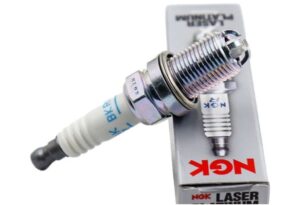
When you pull out a spark plug, you’re essentially getting a diagnostic report from your engine. Knowing what should spark plugs look like is key. A healthy spark plug, like a good report card, speaks volumes about your engine’s well-being. Here’s the breakdown:
- The Ideal Look: Light Tan or Grayish-BrownThis is what you want to see! A light tan, grayish-brown, or sometimes even a chalky white color on the ceramic insulator around the electrode means your engine is running perfectly. It tells you the fuel and air mixture is spot-on, and the ignition timing is good. The electrode itself should look relatively clean and square, with minimal erosion. This condition means your engine is happy, burning fuel efficiently, and delivering optimal performance.
- Signs of Trouble: What to Watch For
- Black, Sooty, Dry Deposits: Rich Fuel Mixture or Carbon BuildupIf your spark plug is covered in black, dry soot, it usually means your engine is running “rich”—getting too much fuel and not enough air. This can be caused by a dirty air filter, a faulty oxygen sensor, or even prolonged idling. I remember once my old truck started feeling sluggish, and when I checked the plugs, they were all black. A quick air filter change and a fuel system cleaner fixed it right up! This condition can lead to misfires and poor fuel economy.
- White, Ashy, Blistered or Melted: Engine Overheating or Lean MixtureThis is a warning sign that needs immediate attention. A white or ashy appearance, especially with signs of blistering or melting on the ceramic insulator or electrode, points to severe engine overheating or a “lean” fuel mixture (too much air, not enough fuel). This happened to a friend’s car once, and we found out their cooling system was failing. Ignoring this can lead to serious engine damage.
- Oily, Wet Deposits: Oil in the Combustion ChamberIf your spark plug is wet and coated in oil, it suggests oil is leaking into the combustion chamber. This is often due to worn piston rings, valve guides, or valve seals. This is a more serious issue that usually requires professional repair. When I saw this on an old car, I knew it was a bigger job than I could handle in my driveway.
- Heavy Carbon Deposits (Fouled): Misfires and Poor PerformanceWhile similar to the black, sooty plugs, “fouled” plugs have heavier, often crusty carbon buildup. This can be due to a variety of issues, including prolonged low-speed driving, a weak ignition system, or even incorrect spark plug heat range. These plugs will cause your engine to misfire, feel rough, and consume more fuel. Understanding what should spark plugs look like helps you catch this early.
- Worn Electrode or Damaged Insulator: Time for ReplacementSometimes, the electrode simply looks worn down or rounded, or the ceramic insulator might have cracks or chips. This indicates the spark plug has reached the end of its lifespan or might have been subjected to impact. Old, worn spark plugs reduce ignition efficiency and can lead to misfires. Replacing them is a standard part of maintenance.
My advice? Always inspect your spark plugs when you change them. Take a picture, compare them to charts online, and look for consistency across all cylinders. If one plug looks drastically different from the others, that cylinder is trying to tell you something specific. Getting a feel for what should spark plugs look like is truly empowering.
In conclusion, your spark plugs are more than just simple igniters; they are vital diagnostic tools for your engine. Regularly checking what should spark plugs look like can help you identify minor issues before they escalate into major, costly repairs. So, next time you’re under the hood, give those little powerhouses a quick look—they just might be trying to tell you something important about your ride!