There’s no single universal oil filter socket size, making it crucial for DIYers to determine the correct fit for their specific vehicle. While many filters use common sizes like 65/67mm, 74/76mm, or 86mm, the ultimate guide emphasizes checking your owner’s manual, measuring, or using an adjustable wrench kit to ensure a snug, damage-free removal and installation.
What size socket for oil filter The ultimate guide for DIYers
So, you’re ready to tackle your own oil change – fantastic! It’s a super rewarding DIY task. But then you hit that snag: what size socket for oil filter do I actually need? Trust me, you’re not alone. This is one of the most common questions new and even experienced DIYers ask. The short answer is, there isn’t one universal size. It really depends on your vehicle’s make, model, and year, and even the specific type of oil filter it uses. But don’t worry, figuring it out is easier than you think, and I’m here to guide you through it.
So, what size socket for oil filter do I actually need, and how do I figure it out?
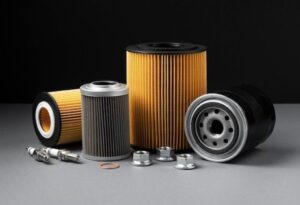
The quest for the perfect oil filter socket size can feel a bit like a treasure hunt, but with the right clues, you’ll be golden. Many modern vehicles, especially those with cartridge-style oil filters (where you only replace the filter element inside a housing), use a cap-style wrench that fits over a specific number of flutes or faces on the oil filter housing itself. These aren’t your typical hexagonal sockets, but rather specialized tools designed for the job.
I’ve been in your shoes, standing in the auto parts store, scratching my head. Over the years, I’ve learned a few tricks. Here are the common cap wrench sizes you might encounter, and my best advice on how to pinpoint the exact one you need:
- Common Sizes You’ll See: For cap-style filters, you’ll frequently find sizes like 64mm, 65mm, 74/76mm (a popular one for many Toyota/Lexus), 86mm, 90mm, 92mm, 96mm, 100mm, and even 108mm. Each of these has a specific number of flutes (the indentations) designed to grip the filter housing.
- Why the Variety? Different car manufacturers, even within the same brand, use various filter designs. Your Honda might use a 64mm/14-flute, while your friend’s Ford could need a 76mm/14-flute.
Here’s my personal roadmap for finding the right what size socket for oil filter:
- Check Your Owner’s Manual: This is always my first stop. Seriously, it often has a surprisingly detailed section on oil changes, including tool sizes or filter part numbers that can lead you to the right wrench.
- Inspect the Old Filter Housing: If you can access it, sometimes the size or a part number is molded right onto the plastic or metal housing itself. Give it a good look! For example, some housings clearly state “64mm” or “86mm.”
- Measure It (Carefully!): If you have access to the old filter or the housing, a set of calipers is your best friend. Measure across the flats of the cap. This gives you a very accurate diameter. Even a good old ruler can give you a close enough estimate to narrow down your options at the store.
- Consult Online Resources: Head to your favorite auto parts store website (like AutoZone, O’Reilly, Advance Auto Parts). Input your specific vehicle year, make, and model. When you search for “oil filter,” they often recommend the corresponding filter wrench. Vehicle-specific forums are also a goldmine of information from other DIYers.
- Invest in an Oil Filter Wrench Kit: Honestly, this is what I recommend for anyone planning to do more than one oil change. You can buy universal kits with multiple cap wrenches that fit various vehicles. It’s an upfront cost, but it saves you multiple trips to the store. I’ve got one in my toolbox that has saved me countless headaches!
- Consider Other Wrench Types: While cap wrenches are perfect for cartridge filters, if you have an older spin-on filter, you might use a strap wrench, a three-jaw claw wrench, or even a traditional socket for filters with a hexagonal nut on the end (though these are less common now). The three-jaw claw wrench is excellent for removing stubborn spin-on filters, but for installation, a cap wrench or hand-tightening is usually preferred to prevent overtightening.
A quick pro tip from experience: Always make sure the wrench fits snugly. A loose fit can strip the flutes on the filter housing, making removal incredibly difficult. And remember, don’t overtighten your new oil filter! Hand-tight, plus a quarter to half-turn with the wrench, is typically all you need, or follow your manual’s torque specs.
Figuring out what size socket for oil filter you need might seem daunting at first, but with a little research and the right approach, you’ll be changing your oil like a pro in no time. Proper preparation really does make all the difference, making your DIY experience smooth and rewarding.