Finding the correct spark plug socket size is paramount to prevent damage during removal or installation. While 5/8-inch, 13/16-inch, 16mm, and 18mm are the most common sizes, always verify your vehicle’s specific requirement to avoid stripping the plug or engine. Opt for a thin-walled socket with a rubber insert for a secure, non-damaging grip.
What Socket Size for Spark Plugs? Find the Right Tool!
Ever found yourself staring at your engine, ready to tackle a spark plug change, only to realize you don’t have the right tool? Believe me, we’ve all been there! The big question, what socket size for spark plugs, is one of the most common head-scratchers for DIY mechanics. It’s frustrating because, unlike some other car parts, there isn’t just one universal size.
But don’t worry! While it varies, most spark plugs you’ll encounter on modern cars typically need either a 14mm, 16mm (which is also 5/8 inch), or 13/16 inch (which is about 21mm) socket. Knowing this range is your first big step, and with a little guidance, you’ll easily find the exact fit for your vehicle. Let’s dig deeper and get you prepped!
So, What’s the Real Deal with Spark Plug Socket Sizes, and How Do I Figure Out the Right One for My Car?
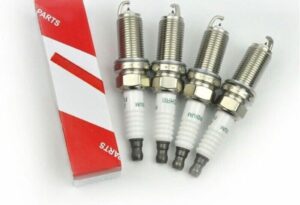
When it comes to figuring out what socket size for spark plugs you need, think of it like this: car manufacturers design their engines differently, and that includes the spark plugs. This means the hex (the part you grab with a socket) can vary. But here’s the rundown on the most common sizes and how to pinpoint yours:
The Usual Suspects: Common Spark Plug Socket Sizes
- 16mm (or 5/8 inch): This is arguably the most common size you’ll find, especially on many Japanese and European cars built in the last couple of decades. If you’re just starting your toolkit, this is often a good first guess. I’ve personally used this size on countless Honda, Toyota, and even some older Ford models. It’s a real workhorse!
- 14mm: This smaller size is becoming increasingly popular, particularly in newer, more compact engines. Think certain BMWs, Mini Coopers, and some Ford EcoBoost engines. I remember trying to change the plugs on a friend’s newer compact SUV and my usual 16mm just spun. Sure enough, a quick check showed it needed the 14mm. It’s tight!
- 13/16 inch (or approximately 21mm): You’ll typically find this larger size on older American cars, especially those with bigger V8 engines, and some trucks. My dad’s classic pickup definitely uses this beefier socket. It’s less common on brand-new cars, but still very much around.
- Less Common Sizes: Occasionally, you might run into an 18mm or even a 7/8 inch for specific vehicles or small engines like lawnmowers, but the three above cover most passenger cars.
How to Pinpoint Your Exact Spark Plug Socket Size
Okay, so how do you know which one of these you need for your car? Here are my go-to methods:
- Check Your Owner’s Manual: Seriously, this is your best friend! Many manuals will list the recommended spark plug type and size. It’s often the quickest and most accurate way to know.
- Consult an Auto Parts Store (or Their Website): If you provide your car’s make, model, and year, they can tell you the specific spark plug required. From there, it’s easy to deduce the correct socket size. Most online stores even list the hex size right in the product description for the spark plug itself.
- Examine an Existing Spark Plug: If you can safely remove one of your current spark plugs (maybe you’re replacing them anyway!), you can simply measure the hex portion with a caliper or a socket from your existing set. Just be gentle and careful!
- Invest in a Spark Plug Socket Set: This is what I eventually did, and it saves so much guesswork and frustration. A good set usually includes the 14mm, 16mm, and 13/16 inch sizes, often with different lengths. It’s a small investment for huge peace of mind.
Beyond Just Size: Essential Spark Plug Socket Features You Need
Getting the right size is crucial, but there are a few other features that make the job infinitely easier (and safer!).
- Magnetic or Rubber Insert: This is a non-negotiable for me! These inserts hold the spark plug firmly in the socket as you extract or install it. Trust me, you do NOT want to drop a new spark plug into the cylinder head – it’s a nightmare. The insert helps guide it in perfectly.
- Deep Well Socket: Spark plugs sit deep within the cylinder head. A standard shallow socket won’t reach. Always use a deep well socket specifically designed for spark plugs.
- Thin Wall Design: Some engines have very little clearance around the spark plug. A bulky, thick-walled socket might not even fit into the well. If you find your socket won’t go down, you might need a specialized thin-wall spark plug socket. I learned this the hard way on a tight engine bay!
- Extension Bars and Swivel Joints: Often, spark plugs are tucked away, making them hard to reach directly. A set of extensions (various lengths) and a universal joint or swivel socket can save your sanity by allowing you to work around obstacles.
- Torque Wrench: This isn’t part of the socket itself, but it’s critical for proper installation. Over-tightening can strip threads or crack the plug, while under-tightening can cause misfires. Always tighten spark plugs to the manufacturer’s specified torque setting. Don’t guess!
Changing spark plugs is a very doable DIY task. Knowing what socket size for spark plugs you need, along with having the right type of socket and additional tools, makes all the difference. Don’t let the initial confusion scare you away!
So, take a moment to confirm the size for your car. With the right spark plug socket in hand, you’ll be changing those plugs like a pro in no time. Happy wrenching!