Choosing the correct spark plugs is crucial for your vehicle’s performance and longevity, as recommended by the manufacturer. Using the wrong heat range, material, or gap can lead to engine damage or reduced efficiency. Always consult your owner’s manual or a trusted parts guide to ensure you select the exact specifications designed for your specific make and model.
How To Know What Spark Plugs Do I Need For My Vehicle
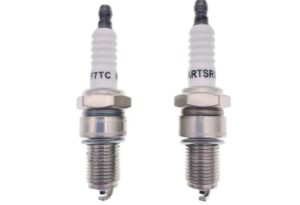
Hey there, ever felt a bit lost when trying to figure out what spark plugs your car needs? You’re definitely not alone! It can feel like a maze with all the options out there, from platinum to iridium, and different heat ranges. But trust me, figuring out what spark plugs do I need isn’t as scary as it seems. The golden rule? Always, always stick to what your car’s manufacturer recommends. It’s the safest and most effective path to keep your engine happy and healthy.
Getting the right spark plugs is super important for your car’s performance, fuel efficiency, and even how long your engine lasts. It’s not just about getting “a spark plug”; it’s about getting the perfect match. When you wonder what spark plugs do I need, think of it like finding the right key for a lock – only one will truly fit and work correctly.
So, really, how do I figure out what spark plugs do I need for my specific vehicle?
Great question! This is where we dive into the nitty-gritty, but I promise to keep it simple and easy to understand. The absolute first place to look when you’re asking yourself what spark plugs do I need is your vehicle’s owner’s manual. Seriously, it’s a treasure trove of information! Your manufacturer has painstakingly tested and specified the exact type of spark plug that will make your engine run its best. This manual will tell you everything from the correct heat range to the material and even the precise gap setting.
Beyond the owner’s manual, there are a few key things to understand:
- Heat Range: This is critical. Spark plugs are designed to operate within a specific temperature range to prevent fouling (too cold) or pre-ignition (too hot). Using a plug with the wrong heat range can cause serious engine problems. My old truck once started acting up, and after some troubleshooting, I realized a previous owner had put in “colder” plugs than recommended. Once I swapped them for the correct ones, specified for its engine’s operating temperature, it ran like a dream again.
- Physical Size: Spark plugs come in various thread diameters, thread reaches, and hex sizes. They simply have to fit the cylinder head. If the reach is too short, it won’t spark efficiently; too long, and it could hit the piston! Always double-check these measurements, often found right alongside the heat range in your manual or on parts lookup sites.
- Electrode Material: This is where you often hear terms like copper, platinum, and iridium. Copper plugs are excellent conductors but wear faster, so they’re often found in older engines or performance applications that require frequent changes. Platinum and iridium plugs last much longer because of their durability and finer electrode tips, making them perfect for modern engines with long service intervals. For example, my current car, like many newer vehicles, specifically calls for long-life iridium spark plugs. Sticking to this recommendation means I don’t have to think about them for tens of thousands of miles, saving me time and hassle.
- Gap: This is the distance between the center and ground electrodes. While many spark plugs come pre-gapped for common applications, it’s always a good idea to check and adjust them if necessary, using a gapping tool, according to your manual’s specifications. An incorrect gap can lead to misfires or reduced spark efficiency.
If you can’t find your owner’s manual (it happens!), don’t fret! You can often find this information by plugging your vehicle’s make, model, and engine type into a reputable auto parts store website or app. They have extensive databases that cross-reference your car’s specifications with compatible parts. Just be sure to cross-reference with a second source, like a manufacturer’s website, if you’re ever unsure. Trust me, it’s worth the extra minute of research to ensure you get exactly what spark plugs do I need for your vehicle.
Ultimately, knowing what spark plugs do I need for your car comes down to a bit of research and trusting your manufacturer. It might seem like a small detail, but getting it right ensures your engine runs smoothly, efficiently, and reliably for years to come. You’ll avoid rough idles, poor fuel economy, and potentially costly repairs down the line. Happy driving!