Don’t just trash that old oil filter! Proper disposal is crucial as they are hazardous waste containing residual oil and metal contaminants, posing significant environmental risks if mishandled. Recycling is the preferred and most environmentally responsible method, recovering valuable materials and preventing pollution, so always check local regulations or automotive service centers for guidance on safe and compliant handling.
Recycle or Dispose What to Do With Old Oil Filter
Hey there, fellow car enthusiast and DIY mechanic! We’ve all been there, right? You’ve just finished changing your oil, feeling accomplished, and then you look down at that greasy, dripping object in your hand: the old oil filter. What on earth do you do with it? It’s not exactly something you can just toss in the regular bin. Trust me, I’ve pondered this many times over the years.
The short answer is this: always aim to recycle your old oil filter. It’s packed with metal and residual oil, both of which are harmful if not handled properly, but also incredibly valuable if recycled. There are specific, easy ways to do this, and ignoring them can lead to environmental issues. Let’s dive into how to do it right, based on what I’ve learned from countless oil changes.
So, what’s the best way to handle that old oil filter once you’ve swapped it out?
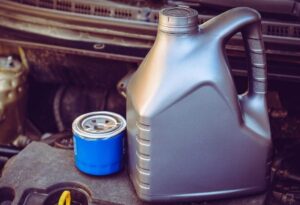
Once you’ve wrestled that old oil filter off your engine, the journey isn’t over. Proper handling is super important, not just for the environment, but also to keep your garage clean! Here’s my step-by-step guide, full of practical tips I’ve picked up along the way:
- Drain It Thoroughly: This is step one, and it’s crucial. An old oil filter still holds a surprising amount of oil. My go-to trick is to place it in a funnels attached to a used oil container, then let it drain for at least 24 hours, often longer. I usually place it upside down over a pan or container specifically for used oil. This ensures most of the oil drips out. Don’t rush this step! The less oil in the filter, the better for recycling and less mess for you.
- Seal It Up: Once it’s drained, you’ll still want to contain any remaining drips. I usually place the drained old oil filter into a sturdy plastic bag (like a grocery bag or a heavy-duty trash bag), and then often into another one for good measure. Some folks even use an old plastic coffee can or a sealed container to prevent any leaks during transport. This keeps your car and recycling center clean.
- Find a Recycling Point (Your Best Bet!):
- Local Auto Parts Stores: This is often the easiest option. Most major auto parts retailers like AutoZone, Advance Auto Parts, O’Reilly Auto Parts, and Pep Boys accept used oil and old oil filters for recycling. I’ve had great luck dropping them off at my local AutoZone. A quick call to confirm their policy beforehand is always a good idea. They usually have designated bins or areas.
- Municipal Recycling Centers / Household Hazardous Waste Facilities: Many cities and counties offer collection points for household hazardous waste, which includes used motor oil and filters. Check your local city or county’s waste management website or call their offices. They often have specific drop-off days or permanent facilities. For example, my local county facility has a dedicated area where I can drop off not just filters but also other tricky items like old batteries.
- Service Stations and Oil Change Lube Shops: Sometimes, independent garages or quick-lube places will also accept used filters, especially if you’re a regular customer. It never hurts to ask!
- Specific State Programs: A few states have advanced recycling programs. Do a quick online search for “[Your State] oil filter recycling” to see if there are any unique programs in your area.
- Disposal (When Recycling Isn’t Possible): While recycling is highly preferred, if you absolutely cannot find a recycling option, you might have to dispose of it. However, never just throw it in your regular household trash. It’s considered hazardous waste. Your only responsible disposal option would be through a specialized hazardous waste collection event or facility. Again, your local waste management should have information on these. But honestly, with how many places accept them for recycling, this is rarely necessary.
Remember, an old oil filter contains steel that can be reused and residual oil that can pollute our water and soil. By taking these simple steps, you’re not just getting rid of a messy item; you’re making a real positive impact on the environment. It only takes a few extra minutes, and it’s totally worth it.
Conclusion
Handling your old oil filter responsibly is a small but mighty act of environmental stewardship. Don’t let that greasy little cylinder become a headache or, worse, a pollutant. Drain it well, bag it, and take it to one of the many recycling points available. It’s easy, it’s the right thing to do, and it helps keep our planet cleaner for everyone. Happy wrenching!