To easily change spark plugs, your core toolkit must include a spark plug socket with a rubber insert, a ratchet, and appropriate extensions to reach all plugs. Beyond these basics, a torque wrench is essential for precise installation, ensuring optimal performance and preventing damage, alongside a gap gauge, anti-seize, and dielectric grease for a professional finish.
What Tools Do I Need To Change Spark Plugs Easily
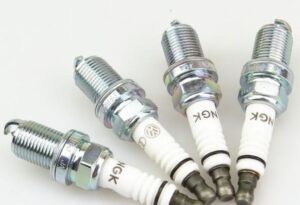
Hey there! Thinking about tackling a spark plug change yourself? That’s awesome! It might seem a bit daunting at first, but with the right tools, it’s a completely manageable job you can do right in your driveway. The key to making it easy and stress-free is having everything you need before you start.
When it comes to changing spark plugs, you’re not just grabbing a wrench and hoping for the best. You’ll need a specific set of items to safely remove the old plugs and install the new ones correctly. Don’t worry, most of these are affordable and great additions to any home toolbox!
What tools do I need to change spark plugs easily and effectively?
To change your spark plugs smoothly, think of it as gathering your toolkit for a specific mission. Here’s a breakdown of the essential items:
- Ratchet (3/8-inch drive): This is your main driver. A 3/8-inch drive is the most common size, but some cars might use 1/4-inch or 1/2-inch. Make sure it has a comfortable grip for those tight turns.
- Spark Plug Socket: This is crucial! It’s a special socket with a rubber insert inside that grips the spark plug and keeps it from breaking or falling as you remove or install it. You’ll need the correct size for your car’s spark plugs (usually 5/8-inch, 13/16-inch, or 14mm). Check your car’s manual or a quick online search for your specific model.
- Socket Extensions: You’ll likely need a few different lengths (3-inch, 6-inch, 10-inch) to reach those tricky, deeply recessed spark plugs. Some engines hide them quite well!
- Torque Wrench: This tool is non-negotiable, in my opinion. It allows you to tighten the new spark plugs to the manufacturer’s exact specifications. Overtightening can strip threads, and undertightening can cause them to loosen. My first time, I skipped this and almost stripped a thread – never again! It’s vital for proper sealing and preventing damage.
- Spark Plug Gap Tool: Even if your new spark plugs say they are “pre-gapped,” always double-check them. Shipping can sometimes alter the gap. A wire-type gap tool is generally more accurate than the coin-style for modern plugs.
- Dielectric Grease: Apply a small amount inside the spark plug boot (the part that connects to the plug). This prevents moisture, corrosion, and makes it easier to remove the boot next time. I once struggled for ages with stuck boots because I forgot this step.
- Anti-Seize Compound: A tiny dab on the threads of the new spark plugs prevents them from seizing in the cylinder head, making future changes much easier. This is especially important for plugs going into aluminum heads.
- Ignition Coil Puller (optional, but helpful): If your car has individual coil-on-plug ignition coils that are hard to grasp, a specialized puller can save you a lot of frustration and prevent damage.
- Screwdrivers (flathead and Phillips): You might need these to remove airbox components, hose clamps, or engine covers that are in the way of your spark plugs.
- Gloves: Nitrile gloves protect your hands from grease and grime.
- Shop Towels or Rags: Always handy for wiping away dirt or spills.
- Flashlight or Work Light: Essential for illuminating those dark engine bays and seeing what you’re doing.
- Compressed Air (optional): Before removing old plugs, use compressed air to blow away any dirt or debris around the spark plug wells. This prevents crud from falling into the combustion chamber when you pull out the old plug.
From my own experience, having these tools ready makes the job significantly less intimidating. Take your time, maybe even snap a few photos of the wiring before you disconnect anything, especially if it’s your first time. Changing spark plugs is a fantastic way to understand your car better and save some money on maintenance.
So, gather your tools, approach the task with confidence, and you’ll be swapping out those spark plugs like a pro in no time. Your engine will thank you for it!