Timely spark plug replacement is absolutely critical for maintaining your vehicle’s peak performance and fuel efficiency. Your ultimate guide should always start with your car’s owner’s manual, which provides specific mileage intervals—typically 30,000 miles for copper and up to 100,000+ for platinum or iridium plugs. Proactive changes prevent costly issues like misfires and poor acceleration, ensuring smooth, reliable engine operation.
Hey there, fellow car enthusiast! Have you ever wondered, “When do you change spark plugs?” It’s a common question, and honestly, it’s easier than you might think to keep track. Think of your spark plugs as tiny, unsung heroes in your engine. They work hard, sparking thousands of times per minute to keep your car running smoothly. Knowing exactly when do you change spark plugs is key to great performance and avoiding costly issues down the road.
Generally speaking, you should plan to change your spark plugs based on your car’s manufacturer recommendations. This info is usually right there in your owner’s manual. But beyond that, your car often gives you subtle hints. Let’s dive deeper into what those hints are and why it all matters.
When Do You Change Spark Plugs?
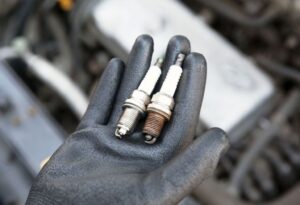
Good question! The simplest answer is to follow your car’s owner’s manual. Seriously, that little book is your best friend for maintenance schedules. Most modern cars with platinum or iridium spark plugs can go a long time, often between 60,000 to 100,000 miles. But if you have older vehicles, especially those designed for traditional copper spark plugs, you might need to change them as often as every 30,000 miles. It really depends on the type of plug and your specific car.
However, ignoring the manual isn’t wise. I once had a friend who pushed his car far beyond the recommended interval, thinking he was saving money. Boy, was he wrong! The car started showing signs long before he finally addressed it. Here are some tell-tale signs that it might be time to change those spark plugs, even if you haven’t hit the mileage mark yet:
- Engine Misfires or Rough Idle: Does your car feel like it’s stuttering or shaking when it’s just sitting there? Or does it hesitate when you accelerate? This is a classic sign of a struggling spark plug. It happened to my old sedan; it felt like the engine was trying to clear its throat.
- Poor Fuel Economy: Are you suddenly filling up more often? Worn spark plugs can’t ignite the fuel-air mixture as efficiently. This means your engine uses more gas to do the same job. It’s like pouring money out of your tank!
- Difficulty Starting: If your car cranks for what feels like forever before finally turning over, weak sparks could be the culprit. A strong spark is vital for quick starts.
- Slow Acceleration: Does your car feel sluggish when you press the gas pedal? Old plugs can rob your engine of power, making acceleration a real drag.
- “Check Engine” Light: Sometimes, the car’s computer will tell you directly. A flashing or steady “Check Engine” light can indicate a misfire, often traced back to a faulty spark plug.
Understanding the different types of spark plugs helps too. Copper plugs are traditional and conductive, but wear out faster. Platinum and iridium plugs are more durable. They use finer electrodes and special coatings to last much longer, extending the interval of when do you change spark plugs significantly. That’s why newer cars can go so many miles between changes!
Changing your spark plugs isn’t just about fixing problems; it’s preventative maintenance. Fresh spark plugs ensure your engine runs at its peak. This means better gas mileage, smoother power delivery, and fewer harmful emissions. If you’re comfortable with basic car maintenance, changing spark plugs can be a satisfying DIY task. Just make sure you use the correct spark plug for your vehicle and torque them properly. If you’re not sure, a trusted mechanic can do it quickly and correctly, giving you peace of mind.
So, when do you change spark plugs? Keep an eye on your mileage, listen to your car, and consult that owner’s manual. A little attention to these small but mighty components will keep your ride happy and healthy on the road for years to come. Happy driving!