Always consult your vehicle’s owner’s manual for the precise spark plug replacement schedule, as intervals vary widely from 30,000 to over 100,000 miles for modern plugs. Beyond mileage, pay attention to symptoms like rough idling, engine misfires, or decreased fuel economy, which signal it’s time for an inspection and potential change to maintain optimal engine performance.
Have you ever found yourself driving, and your car just feels… off? Maybe there’s a slight hesitation, a little less pep in its step, or perhaps you’re filling up at the gas station more often than usual. It’s a frustrating experience, isn’t it? Often, when these subtle hints appear, our minds jump to big, expensive fixes. But sometimes, the solution is much simpler and involves one of your engine’s unsung heroes: the spark plugs.
These small but mighty components are crucial for your car’s health. They’re responsible for igniting the air-fuel mixture in your engine’s cylinders, creating the tiny explosion that powers your vehicle forward. When they’re working perfectly, you enjoy smooth acceleration, good fuel economy, and reliable performance. But when they start to wear out, your entire driving experience can suffer.
Understanding exactly when should I change my spark plugs isn’t just about routine maintenance; it’s about listening to your car, understanding its needs, and being proactive to avoid bigger problems down the road. Think of it as giving your car a little TLC before it starts shouting for help. Let’s dive into everything you need to know to keep your engine humming happily.
Key Takeaways
- Consult your owner’s manual. This is the definitive guide for your vehicle’s interval.
- Recognize warning signs. Look for rough idle, misfires, poor fuel economy.
- Factor in plug material. Iridium and platinum plugs last significantly longer.
- Adhere to mileage intervals. Overdue changes hurt performance and engine health.
- Don’t delay replacement. Worn plugs can cause expensive engine damage.
- Consider driving conditions. Stop-and-go driving may shorten plug life.
📑 Table of Contents
Understanding Your Spark Plugs: The Unsung Heroes
Before we talk about when should I change my spark plugs, let’s quickly understand what they actually do. Imagine your engine as a sophisticated pump that mixes air and fuel. For that mixture to create power, it needs a spark – just like lighting a fire. That’s precisely the job of the spark plug. It creates an electrical arc, a tiny bolt of lightning, inside each cylinder, igniting the compressed air-fuel mixture.
This ignition is a critical, continuous process. In a four-cylinder engine, for example, spark plugs are firing hundreds, if not thousands, of times every minute as you drive. Each spark is precisely timed to ensure optimal combustion. When a spark plug is healthy, it delivers a strong, consistent spark. This means your engine runs efficiently, using fuel effectively and producing power smoothly. When a plug starts to degrade, that spark weakens, becoming inconsistent or even failing altogether, leading to a cascade of problems.
Manufacturer’s Recommendations: Your First Stop
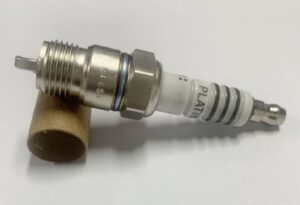
When asking yourself, “when should I change my spark plugs?” the very first place you should look is your vehicle’s owner’s manual. This little book, often overlooked, is a treasure trove of information specific to your car’s make and model. It contains the manufacturer’s recommended service intervals for virtually every component, including spark plugs.
Where to Find This Info
Most owner’s manuals have a dedicated maintenance schedule section. You’ll typically find spark plug replacement intervals listed alongside other routine services like oil changes and tire rotations. If you can’t find your physical manual, many manufacturers offer digital versions on their websites, often accessible by simply entering your vehicle’s VIN (Vehicle Identification Number).
Why It Matters
Manufacturers design engines to work best with specific types of spark plugs and recommend replacement based on extensive testing. These recommendations account for the engine’s design, typical operating conditions, and the expected lifespan of the factory-installed plugs. For modern cars, especially those with iridium or platinum plugs, intervals can range anywhere from 60,000 to over 100,000 miles. Older vehicles, or those using copper plugs, might require changes every 30,000 miles or so. Sticking to these guidelines is your best bet for optimal performance and longevity.
Warning Signs: When Your Car Speaks Up
Sometimes, your car won’t wait for the manufacturer’s recommended mileage to tell you when should I change my spark plugs. It’ll give you clear, unmistakable signs that something is amiss. Learning to recognize these symptoms can save you from more significant issues down the line.
Engine Misfires or Rough Idling
This is one of the most common indicators. If your engine feels like it’s stumbling, shaking, or hesitating, especially when idling at a stoplight, it could be a sign of a failing spark plug. A misfire occurs when a cylinder doesn’t ignite its fuel mixture properly, causing a noticeable hiccup in the engine’s rhythm.
Reduced Fuel Economy
Are you visiting the gas station more often? Worn spark plugs lead to inefficient combustion. When the fuel isn’t burned completely, your engine has to work harder to produce the same power, consuming more gasoline in the process. This subtle drain on your wallet is a definite signal that you should consider when should I change my spark plugs.
Slow Acceleration or Loss of Power
Does your car feel sluggish when you press the accelerator? A lack of responsiveness, difficulty getting up to speed, or a noticeable drop in horsepower can point to spark plugs that aren’t delivering a strong enough spark. You might feel like your car is struggling, even if you’re trying to merge onto the highway.
Difficulty Starting
While many things can cause hard starting, weak spark plugs are a common culprit. If your engine cranks for an unusually long time before firing up, it might not be getting the consistent spark it needs to ignite the fuel mixture quickly and reliably.
Check Engine Light
The illuminated “Check Engine” light on your dashboard is your car’s universal warning signal. A misfire or other ignition system problem directly related to failing spark plugs can trigger this light. If it comes on, it’s always wise to get your car checked promptly, as it could indicate something as simple as worn plugs or something more serious.
Factors That Influence Spark Plug Lifespan
While manufacturer recommendations provide a great baseline for when should I change my spark plugs, several external factors can either shorten or extend their life. It’s not just about the miles you put on; it’s also about how you drive and what kind of environment your car operates in.
Driving Habits
If you primarily drive in stop-and-go city traffic, your spark plugs might wear out faster than if you do a lot of highway cruising. Frequent acceleration and deceleration cycles put more stress on the ignition system. Conversely, consistent highway driving at steady speeds is generally easier on spark plugs.
Engine Type and Modifications
Some engines, like those with turbochargers or direct injection systems, inherently run hotter and operate under higher pressures. This can accelerate wear on spark plugs. Similarly, aftermarket engine modifications or performance tunes that increase horsepower can place additional demands on your spark plugs, potentially shortening their lifespan.
Fuel Quality
Using poor quality fuel can lead to deposits building up on your spark plugs. These deposits can interfere with the spark, causing misfires and reducing efficiency. Sticking to reputable gas stations and using the recommended octane level can help keep your plugs cleaner and performing better for longer.
Environmental Conditions
Extreme temperatures, whether very hot or very cold, can also play a role. Constant exposure to severe heat can accelerate material degradation, while cold starts can put extra strain on the ignition system, though their impact is generally less significant than driving habits or engine type.
The Different Types of Spark Plugs and Their Lifespans
Not all spark plugs are created equal, and understanding the differences is key to knowing when should I change my spark plugs. The material used for the center electrode significantly impacts their durability and performance.
Copper Spark Plugs
These are the traditional and most affordable type. Copper is an excellent conductor of electricity, providing a strong spark. However, it’s a relatively soft metal and wears down faster. Copper plugs are common in older vehicles or those with lower compression ratios. They typically need to be replaced every 30,000 miles.
Platinum Spark Plugs
Platinum is harder and more resistant to wear than copper. These plugs offer good performance and a longer lifespan. They often feature a platinum tip on the center electrode. Many vehicles from the 1990s and early 2000s came equipped with platinum plugs. Their typical replacement interval is around 60,000 to 80,000 miles.
Iridium Spark Plugs
Iridium is one of the hardest metals, making iridium spark plugs incredibly durable. They have very fine electrodes, which allow for a more concentrated and efficient spark. Iridium plugs are the standard in most modern vehicles due to their extended lifespan and superior performance. You can expect iridium plugs to last well over 100,000 miles, sometimes even up to 120,000 or 150,000 miles.
Double Platinum/Double Iridium
These plugs feature platinum or iridium on both the center and ground electrodes, offering even greater durability and consistent performance, especially in engines with “waste spark” ignition systems that fire plugs twice per cycle.
Here’s a quick overview of typical spark plug lifespans:
| Spark Plug Type | Typical Lifespan (Miles) | Key Pros | Key Cons |
|---|---|---|---|
| Copper | 30,000 | Excellent conductivity, lowest cost | Shortest lifespan, wears fastest |
| Platinum | 60,000 – 80,000 | Good durability, better lifespan than copper | Mid-range cost, not as long-lasting as iridium |
| Iridium | 100,000+ | Exceptional durability, longest lifespan, superior performance | Highest initial cost |
Why You Shouldn’t Delay: The Risks of Worn Spark Plugs
It can be tempting to put off maintenance, especially when your car “seems fine.” However, delaying when you should change your spark plugs can lead to a host of problems that are more costly and inconvenient than a simple plug replacement.
Decreased Engine Performance
This is the most immediate effect. Your car will feel less powerful, accelerate slower, and run rougher. Driving simply won’t be as enjoyable or reliable. Ignoring this will only make the problem worse, potentially causing more stress on other engine components.
Reduced Fuel Efficiency
As mentioned earlier, inefficient combustion means you’re literally burning money at the pump. Your engine will consume more fuel to achieve the same output, steadily increasing your operating costs. If you’re wondering when should I change my spark plugs, track your fuel economy – a drop is a clear sign.
Increased Emissions
Worn spark plugs lead to unburnt fuel escaping into the exhaust system. This not only pollutes the air more but can also cause your car to fail emissions tests. Many states require these tests, and failing one means you can’t register your vehicle until the issue is fixed.
Catalytic Converter Damage
This is a major concern. The catalytic converter is an expensive component in your exhaust system designed to reduce harmful emissions. When unburnt fuel constantly reaches the catalytic converter, it can overheat and sustain irreversible damage. Replacing a catalytic converter can cost thousands of dollars, making a simple spark plug change look like a bargain.
Potential Engine Damage
In extreme cases, persistent misfires caused by bad spark plugs can put undue stress on other engine components, including the ignition coils and even the engine’s internal parts. While less common, ignored issues can escalate into more severe, costly engine repairs.
Stranded on the Road
The absolute worst-case scenario is your car breaking down completely. If spark plugs fail entirely, your engine might not start or could stall unexpectedly, leaving you stranded and in need of a tow, adding significant hassle and expense.
Understanding when should I change my spark plugs is really about preventative care. By addressing this relatively small maintenance item, you ensure your car continues to run efficiently, reliably, and safely, saving you from much bigger headaches and expenses down the line.
So, the next time your car feels a little off, or you hit that mileage mark in your owner’s manual, remember the humble spark plug. It might just be the simple fix that keeps your beloved vehicle performing at its best for miles to come. A little attention now can prevent a lot of frustration later, giving you peace of mind on every journey.
Frequently Asked Questions
How often should I change my spark plugs?
The recommended interval for changing your spark plugs varies significantly by vehicle manufacturer and the type of plug. Generally, copper spark plugs might need changing every 30,000 miles, while platinum or iridium plugs can last anywhere from 60,000 to over 100,000 miles. Always consult your car’s owner’s manual for the most accurate maintenance schedule.
What are the common signs that I need new spark plugs?
Several symptoms indicate it might be time to change your spark plugs. These include a rough idle, engine misfires or hesitations, difficulty starting your car, reduced fuel efficiency, or a noticeable decrease in acceleration power. If your “Check Engine” light illuminates, worn spark plugs could be a contributing factor.
What happens if I don’t change my spark plugs on time?
Delaying the replacement of your spark plugs can lead to various issues. It can result in poor engine performance, increased fuel consumption, and potentially put extra strain on other ignition components like ignition coils. In severe cases, severely worn spark plugs can even damage your catalytic converter, leading to very costly repairs.
Does the type of spark plugs affect their lifespan and when I should change them?
Yes, the material of your spark plugs significantly impacts how often you need to change them. Copper spark plugs are the shortest-lived, while platinum and especially iridium spark plugs are designed for much longer service intervals due to their superior durability and heat resistance. Always use the type of spark plugs recommended by your vehicle manufacturer.
Can I change my spark plugs myself, or should I hire a professional?
Changing spark plugs can be a straightforward DIY task for individuals with some mechanical experience and the right tools. However, improper installation can lead to stripped threads, damaged plugs, or cross-threading issues. If you’re unsure or uncomfortable, it’s always best to have a qualified mechanic handle the job to ensure it’s done correctly.
My car seems to be running fine, should I still consider changing my spark plugs at the recommended interval?
Absolutely, preventative maintenance is crucial, even if your car appears to be running smoothly. Worn spark plugs can gradually reduce your engine’s efficiency and performance over time, often before noticeable symptoms appear. Following the manufacturer’s recommended schedule for changing your spark plugs helps maintain optimal engine health, fuel economy, and prevents potential future problems.