Spark plugs should primarily be changed according to your vehicle’s manufacturer recommendations, which can range from 30,000 to well over 100,000 miles depending on the plug type. Crucially, don’t wait for the mileage if you experience symptoms like a rough idle, engine misfires, reduced fuel economy, or sluggish acceleration; these are strong signals for immediate replacement. Proactive maintenance ensures optimal engine performance and efficiency.
Ever wonder about those little parts under your car’s hood that make everything “go”? One often-overlooked hero is the spark plug. When should spark plugs be changed? It’s a question many of us ask, and honestly, the answer isn’t always a simple number on a sticker. Think of it like a wellness check for your car – it depends on a few things, but listening to your car and checking its “medical history” (your owner’s manual!) is always the best start. Timely spark plug replacement can make a huge difference in how your car runs and how much you spend at the pump.
I remember a time when I put off changing my spark plugs, thinking I could squeeze a few more miles out of them. My car started feeling sluggish, and the gas mileage took a hit. It felt like I was constantly at the gas station! So, let’s dive into the truth about when spark plugs be changed and save you some headaches (and money!).
So, really, when should spark plugs be changed for optimal car performance and longevity?
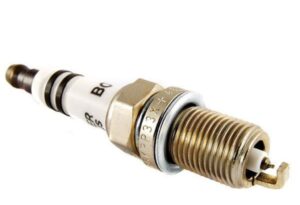
This is where it gets interesting, because there isn’t just one magic number that applies to every single car out there. However, we can break it down to give you a clear roadmap:
First and foremost, the absolute best place to start is your car’s owner’s manual. Seriously, grab that little book from your glove compartment or look it up online. Car manufacturers provide specific recommendations for when spark plugs be changed based on your vehicle’s engine design and the type of spark plugs it uses. This is your car’s official guide to its health!
General Guidelines Based on Spark Plug Type:
- Copper Spark Plugs: These are the traditional workhorses. If your car uses copper plugs, you’re usually looking at a replacement interval of around 30,000 miles. They conduct electricity really well but wear out faster.
- Platinum Spark Plugs: Many modern cars come with platinum plugs. These last longer, typically needing replacement every 60,000 to 80,000 miles.
- Iridium Spark Plugs: These are the premium, long-lasting choice. Iridium plugs can often go 100,000 miles or even up to 120,000 miles before needing to be replaced. They are pricier upfront but offer excellent durability and performance.
Now, while those mileage numbers are a great starting point, your car will often tell you when spark plugs be changed even before you hit the recommended interval. Pay attention to these common symptoms:
- Rough Idling: Does your car feel like it’s shivering or shaking when you’re stopped at a light? This “rough idle” is a classic sign of worn spark plugs struggling to ignite fuel efficiently. I once let this go too long, and my whole car felt like it had the hiccups!
- Engine Misfires or Hesitation: If your engine stutters, jerks, or briefly loses power, especially during acceleration, you might be experiencing a misfire. This happens when a spark plug isn’t firing correctly, leading to incomplete combustion.
- Reduced Fuel Economy: Are you visiting the gas station more often than usual? Old, dirty spark plugs can’t ignite the fuel-air mixture as efficiently, meaning your engine has to work harder and consume more gas to achieve the same power. This is a tell-tale sign that it’s time to change your spark plugs be changed.
- Slow Acceleration: Does your car feel sluggish when you press the gas pedal? Worn spark plugs can directly impact your engine’s power output, making acceleration feel less responsive.
- Check Engine Light: While this light can indicate countless issues, a faulty spark plug or an engine misfire caused by worn plugs can definitely trigger it. If it comes on, getting the code read will often point you in the right direction.
I remember my friend’s car was chugging along, and she kept saying, “It’s just getting old.” We checked her manual, saw her iridium plugs were way overdue, and after a quick replacement, her car felt like new! The difference new spark plugs be changed made was astounding – smoother idle, better acceleration, and she even noticed a jump in her MPG.
Practical Tips and Personal Experiences:
- Consider Your Driving Habits: If you do a lot of stop-and-go city driving, your spark plugs might wear out a bit faster than if you primarily cruise on the highway.
- Proactive vs. Reactive: Don’t wait for your car to tell you there’s a problem. Consult your owner’s manual and consider changing them a little before the maximum mileage, especially if you drive hard. It’s usually a relatively inexpensive maintenance item that prevents bigger issues.
- DIY or Mechanic? Changing spark plugs can be a DIY job for some, but it requires the right tools and a bit of mechanical know-how. If you’re not comfortable, or if your engine has hard-to-reach plugs, a professional mechanic is always a good idea. Sometimes, getting them out can be tricky and lead to bigger problems if not done correctly.
Ultimately, knowing when spark plugs be changed boils down to a mix of following your car’s specific recommendations, paying attention to its performance, and understanding the general lifespan of different plug types. It’s a small piece of maintenance that yields big returns in terms of your car’s performance, fuel efficiency, and overall longevity. Don’t let those little power igniters be an afterthought!