Understanding when to change spark plugs is crucial for engine health. Generally, copper plugs require replacement around 30,000 miles, whereas platinum or iridium can last 60,000 to 100,000 miles. Don’t overlook signs like misfires or poor fuel economy; consult your owner’s manual and replace them proactively to ensure optimal performance and efficiency.
Ever hopped into your car, turned the key, and instead of that familiar roar, you get a hesitant cough, sputter, or worse, just silence? It’s a frustrating moment, isn’t it? Our cars are complex machines, but sometimes, the issues boil down to something surprisingly small yet incredibly vital. Today, we’re going to talk about those unsung heroes of your engine: your spark plugs. Think of them as the tiny little igniters that kickstart your car’s heart, making sure every beat is strong and steady.
Just like a good friend, your car gives you subtle hints when something isn’t quite right. Ignoring these whispers can lead to bigger headaches (and bigger repair bills!) down the road. Understanding when and why you should change your spark plugs is one of those basic car care tips that can save you a lot of grief and keep your ride running smoothly for years to come. It’s not about being a master mechanic, but about being an informed car owner.
So, let’s demystify the world of spark plugs together. We’ll explore what they do, the tell-tale signs they’re worn out, and how often you should think about replacing them. By the end of this, you’ll feel much more confident about this crucial aspect of your vehicle’s maintenance, knowing exactly when to give your car the little boost it needs to keep going strong.
Key Takeaways
- Consult Your Manual: Always follow manufacturer-recommended service intervals for spark plugs.
- Watch for Symptoms: Misfires, rough idle, or reduced fuel economy signal issues.
- Know Plug Types: Platinum and Iridium plugs last longer; standard plugs require earlier changes.
- Inspect Regularly: Check plugs for wear, deposits, or damage during routine maintenance.
- Don’t Delay Changes: Procrastination can lead to expensive engine damage and poor performance.
- Consider Driving: Severe conditions (towing, city) may shorten spark plug lifespan.
📑 Table of Contents
- What Do Spark Plugs Actually Do? (And Why They’re So Important)
- The Manufacturer’s Guide: Your First Stop for Spark Plug Intervals
- Common Signs Your Spark Plugs Might Be Failing
- Factors That Can Shorten Spark Plug Life
- Common Spark Plug Change Intervals
- What Happens If You Don’t Change Your Spark Plugs?
What Do Spark Plugs Actually Do? (And Why They’re So Important)
Before we talk about changing them, let’s quickly understand their role. Imagine your engine as a tiny internal combustion factory. For anything to “combust” or burn, you need three things: air, fuel, and a spark. Your spark plugs are responsible for delivering that all-important spark.
The Ignition Triangle
Every time you press the accelerator, your engine sucks in a mixture of air and fuel into its cylinders. For this mixture to explode and create power, it needs a precise, high-energy spark. That’s where your spark plugs come in. They create a controlled electrical arc, igniting the air-fuel mix, which then pushes the piston down and ultimately turns your wheels. Without that spark, nothing happens!
How a Spark Plug Works
It sounds simple, but there’s a bit of magic. Each spark plug has an electrode, and when high voltage is sent through it, an electrical arc jumps the gap to a ground electrode. This arc is the “spark.” Over time, this constant sparking, combined with the extreme heat and pressure inside the engine, causes the electrodes to wear down. The gap widens, and the spark becomes weaker and less efficient. This is why replacing your spark plugs is so vital for consistent engine performance.
The Manufacturer’s Guide: Your First Stop for Spark Plug Intervals
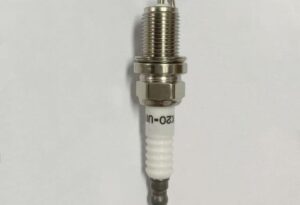
If you’re wondering, “When should I change my spark plugs?” the very first place to look is your car’s owner’s manual. Seriously, grab that glove compartment bible! It contains specific recommendations tailored to your vehicle’s make, model, and engine type. This is the most accurate information you’ll find.
Why Follow the Manual?
Car manufacturers spend millions developing and testing their vehicles. Their maintenance schedules aren’t random; they’re based on extensive engineering and real-world performance data. Following their advice ensures optimal performance, fuel efficiency, and longevity for your engine. It also protects your warranty!
Different Types of Spark Plugs, Different Lifespans
Not all spark plugs are created equal, and their material significantly impacts their lifespan. Understanding the type your car uses is key:
- Copper Spark Plugs: These are the traditional workhorses. Copper is an excellent conductor, but it’s relatively soft, so these plugs typically have a shorter lifespan, often needing replacement between 30,000 and 50,000 miles. They’re usually found in older vehicles or those designed for high-performance use where very strong conductivity is paramount.
- Platinum Spark Plugs: These plugs feature a platinum disc welded to the center electrode. Platinum is harder than copper, resisting wear much better. As a result, platinum spark plugs can last significantly longer, often between 60,000 and 80,000 miles.
- Iridium Spark Plugs: Iridium is even harder and more durable than platinum. Iridium spark plugs boast the longest lifespan of all, frequently lasting 80,000 to 120,000 miles, or even more. Many modern vehicles come equipped with iridium plugs straight from the factory due to their longevity and performance.
Your owner’s manual will specify the correct type for your car, and it’s always best to stick to that recommendation when getting replacements.
Common Signs Your Spark Plugs Might Be Failing
Even if you’re keeping track of your mileage, sometimes your car will tell you that its spark plugs are struggling sooner than expected. Pay attention to these warning signs:
Engine Misfires or Rough Idling
Have you ever felt your car shudder or hesitate, especially when you’re stopped at a red light? That’s often a sign of an engine misfire. A misfire happens when a cylinder doesn’t ignite properly, meaning one of your spark plugs isn’t doing its job. This can feel like a slight tremor or a more noticeable stumble.
Reduced Fuel Economy
Are you filling up at the pump more often than usual? Worn-out spark plugs lead to incomplete combustion, meaning your engine has to work harder and use more fuel to produce the same power. It’s like trying to run a marathon with faulty shoes – you’ll burn more energy for less ground covered.
Slow Acceleration or Loss of Power
If your car feels sluggish, struggles to get up to speed, or seems to lack its usual “oomph” when you press the accelerator, weak spark plugs could be the culprit. The engine isn’t getting the full power from each combustion cycle, making it feel less responsive.
Difficulty Starting the Engine
This is one of the most common and frustrating signs. If your car cranks for a long time before starting, or simply won’t start at all, especially on cold mornings, it could be due to weak or fouled spark plugs that aren’t providing a strong enough spark to ignite the fuel.
Check Engine Light (CEL)
Ah, the dreaded check engine light! While it can signify a multitude of issues, faulty spark plugs can definitely trigger it. Modern cars can detect misfires and will illuminate the CEL to alert you. If your light comes on, it’s always wise to get it checked out, and sometimes, the fix is as simple as replacing the spark plugs.
Factors That Can Shorten Spark Plug Life
While manufacturers give general guidelines, several real-world factors can accelerate the wear and tear on your spark plugs, necessitating an earlier change:
Driving Habits
Do you do a lot of stop-and-go city driving? Or short trips where your engine doesn’t fully warm up? This kind of driving is harder on your spark plugs than long stretches of highway driving. Frequent cold starts and constant acceleration/deceleration can build up carbon deposits faster and cause more rapid erosion of the electrodes.
Engine Conditions
Internal engine issues can also impact your plugs. For example:
- Oil Leaks: If oil leaks into the combustion chamber, it can foul the spark plug, leading to misfires.
- Rich or Lean Fuel Mixture: An incorrect air-fuel mixture (too much fuel, or not enough) can cause deposits to build up on the plugs, hindering their performance.
- High Temperatures: Engines that consistently run hotter than normal can put extra stress on spark plugs, shortening their life.
Fuel Quality
Using lower-quality fuel, or fuel with certain additives, can sometimes lead to more carbon buildup on your spark plugs over time. While modern engines are designed to be fairly resilient, consistent use of sub-par fuel won’t do your plugs any favors.
Extreme Temperatures
Driving in very hot or very cold climates can also affect how your spark plugs perform and wear. Extreme cold can make starting more difficult, putting more strain on the spark, while extreme heat increases overall engine stress.
Common Spark Plug Change Intervals
As discussed, your owner’s manual is king, but here’s a general guide for typical spark plug replacement intervals based on their material. Remember, these are estimates and can vary by vehicle and driving conditions.
General Guidelines
It’s helpful to know what to expect. Most mechanics will advise you on the interval during routine service, but it’s good to be informed.
| Spark Plug Type | Typical Interval (Miles) | Typical Interval (Kilometers) |
|---|---|---|
| Copper | 30,000 – 50,000 | 48,000 – 80,000 |
| Platinum | 60,000 – 80,000 | 96,000 – 128,000 |
| Iridium | 80,000 – 120,000+ | 128,000 – 193,000+ |
Important Note: While some iridium spark plugs can last even longer than 120,000 miles, it’s generally a good idea to inspect them around the 80,000-mile mark, especially if you notice any of the symptoms mentioned earlier. Regular inspection can catch minor issues before they become major problems.
What Happens If You Don’t Change Your Spark Plugs?
You might be tempted to put off changing your spark plugs to save a few bucks. After all, if the car is still running, what’s the big deal? Well, ignoring this maintenance can lead to a cascade of problems that are far more costly than a simple plug replacement.
Cascading Problems
When spark plugs fail, your engine can start to misfire. These misfires don’t just feel rough; they can put extra stress on other engine components. For example, unburnt fuel can enter your exhaust system, damaging your catalytic converter – an extremely expensive repair. Over time, consistent misfires can even lead to engine damage because of the irregular forces on the pistons and crankshaft.
Costly Repairs
Think about it: poor fuel economy means you’re spending more money on gas every week. Engine damage from prolonged misfires could require thousands of dollars in repairs. Replacing your catalytic converter can easily set you back $1,000 or more. Compared to the relatively inexpensive cost of a set of new spark plugs and the labor to install them, delaying this maintenance is a false economy. It’s truly a prime example of how preventative maintenance saves you money in the long run.
So, there you have it! Those tiny little spark plugs are far more important than you might have imagined. They’re the unsung heroes igniting the power within your engine, and keeping them in good shape is fundamental to your car’s health and your wallet’s happiness.
Now, when you hear a funny stumble in your engine, or notice your car isn’t as peppy as it used to be, you’ll have a much better idea of where to start looking. Remember to check your owner’s manual for precise intervals, keep an eye out for those warning signs, and don’t delay when it’s time for a change. Giving your car the fresh set of spark plugs it needs will ensure smoother rides, better fuel efficiency, and a happier driving experience for miles and miles to come. You’ve got this!
Frequently Asked Questions
What are the common signs that my spark plugs need changing?
Misfiring, rough idling, reduced fuel economy, poor acceleration, and difficulty starting your engine are all strong indicators. Addressing these signs promptly can prevent further damage to your engine and maintain optimal performance.
How often should I change my spark plugs, generally?
The general recommendation for conventional copper spark plugs is every 30,000 miles. However, modern iridium or platinum spark plugs can last much longer, often up to 100,000 miles or more, depending on your vehicle’s manufacturer recommendations.
Does the type of spark plug affect when it should be replaced?
Yes, absolutely. Copper spark plugs have a shorter lifespan and typically need replacement around 30,000 miles, while platinum and iridium spark plugs are designed for extended durability, often lasting 60,000 to 100,000+ miles. Always consult your vehicle’s owner’s manual for the precise recommended type and service interval for your spark plugs.
What happens if I don’t change my spark plugs on time?
Delaying spark plug replacement can lead to several problems, including decreased engine performance, poor fuel efficiency, increased emissions, and potential damage to other engine components like catalytic converters. Timely replacement helps maintain optimal engine health and prevents more costly repairs down the line.
Should I always follow my car manufacturer’s recommended spark plug change interval?
Absolutely, following your car manufacturer’s recommendations is crucial. They specify the exact service schedule based on your vehicle’s make, model, and engine type, ensuring optimal performance and longevity for your spark plugs. This vital information can typically be found in your owner’s manual.
Can regular engine maintenance affect how often I need to change my spark plugs?
While regular maintenance doesn’t necessarily extend the *life* of your spark plugs beyond their design, it ensures other engine components are functioning correctly, which can prevent premature wear on the plugs. Keeping up with oil changes, air filter replacements, and fuel system cleanings contributes to overall engine health and helps your spark plugs perform optimally for their intended lifespan.