Choosing the best oil filter isn’t a one-size-fits-all decision; it fundamentally depends on your engine type, driving habits, and the motor oil you use. The ideal filter combines optimal filtration efficiency with excellent flow rate and durable construction, including a reliable anti-drainback valve. Prioritize reputable brands that specifically match your vehicle’s requirements to ensure maximum engine protection and longevity.
Ever found yourself staring at a wall of oil filters, wondering, “Which oil filter is the best for my car?” You’re not alone! It’s a common question, and honestly, there isn’t one magical filter that’s perfect for every single engine out there. Think of it like choosing the right shoes: running shoes are great for a jog, but not ideal for a formal dinner. Your car needs the right fit for its specific needs.
The “best” really depends on a few things: your car’s make and model, the type of oil you use, and even how you drive. But don’t worry, I’m here to help you understand the nuances and guide you to make an informed choice. Getting the right oil filter is a small decision that makes a big difference in keeping your engine healthy and purring for years.
Which oil filter is the best, and how do I choose the right one for my vehicle?
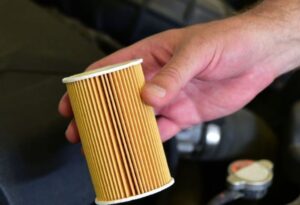
Here’s the deal: choosing the best oil filter isn’t about picking the most expensive one, but rather the one that best suits your engine’s needs and your driving style. A good oil filter is crucial because its job is to trap contaminants – things like dirt, metal particles, and sludge – before they can circulate through your engine and cause wear. Failing to do this can seriously shorten your engine’s lifespan.
When I’m looking for a filter, I consider a few key elements:
Filter Media Quality: The Heart of the Filter
- Cellulose Filters: These are the most common and often the most affordable. They use paper-like fibers, doing a decent job of filtering larger particles. For standard oil changes and conventional oil, they’re generally fine. But they can clog faster, especially if you push your oil change intervals.
- Synthetic Blend Filters: A step up, these mix cellulose with synthetic fibers. They offer better filtration and can often handle longer oil change intervals than pure cellulose. This is a great middle-ground choice for many daily drivers using conventional or semi-synthetic oil.
- Full Synthetic Filters: These are the top tier. Made entirely of synthetic fibers, they offer superior filtration efficiency and flow, meaning they catch more tiny particles without restricting oil flow. They’re built to last for extended oil change intervals, making them the ideal choice if you use synthetic oil and follow its longer change recommendations. For my own vehicle, which runs on full synthetic oil, I always opt for a full synthetic oil filter. It just makes sense to match the filter’s durability with the oil’s lifespan.
Construction Matters: Beyond the Media
Beyond the actual filtering material, the overall construction of the oil filter plays a huge role. I always look for:
- Robust Casing: A strong metal casing prevents dents and leaks. You don’t want a flimsy filter that might get damaged.
- Anti-Drain Back Valve: This is super important! When you shut off your engine, this valve prevents oil from draining out of the filter and back into the oil pan. This ensures that oil is immediately available to lubricate your engine components on startup, reducing wear. Look for a silicone valve; it holds up better to temperature extremes than nitrile rubber.
- Bypass Valve: If the filter media ever gets clogged (which shouldn’t happen with proper maintenance, but it’s a safety net), this valve opens to allow unfiltered oil to reach the engine, preventing oil starvation. It’s crucial for it to be properly calibrated.
- Proper Gasket: A good, high-quality gasket ensures a tight, leak-free seal between the filter and the engine block.
Practical Tips From My Experience:
- Always Check Your Owner’s Manual: This is your primary guide! It will specify the correct filter size and type for your vehicle. Don’t guess. Using the wrong size can lead to leaks or even engine damage.
- Match the Filter to Your Oil: If you’re using conventional oil and changing it every 3,000-5,000 miles, a good quality cellulose or synthetic blend filter will probably suffice. If you’re running synthetic oil and extending your oil change intervals to 7,500-10,000 miles, investing in a full synthetic oil filter is non-negotiable. I learned this the hard way with a previous car – trying to stretch cheap filters with good oil just doesn’t work well.
- Don’t Skimp on Quality: While the cheapest oil filter might save you a few dollars today, it could cost you a lot more in engine repairs down the road. It’s a tiny investment for something that protects your engine’s biggest components.
- Always Replace During an Oil Change: It sounds obvious, but you’d be surprised. A new filter should always go with new oil.
So, which oil filter is the best? It’s the one that matches your vehicle’s specifications, complements your oil type, and suits your driving habits. By understanding filter media and construction, you’re well on your way to making a choice that truly protects your engine. Don’t settle for “good enough” when it comes to keeping your engine healthy!