Finding the absolute best spark plugs for top performance isn’t a one-size-fits-all answer; it critically depends on your specific vehicle and engine requirements. Optimal performance stems from selecting the correct spark plug material, such as long-lasting iridium or high-conductivity copper, matched with the proper heat range and gap. Always prioritize your vehicle’s manufacturer specifications to ensure peak ignition efficiency, fuel economy, and engine longevity.
Hey there, fellow car enthusiasts and curious drivers! Ever found yourself scratching your head, wondering which spark plugs are the best for your trusty ride? It’s a super common question, and honestly, there isn’t a single, magic answer that fits every single car out there. Think of it like finding the perfect pair of shoes; what’s best for a marathon isn’t necessarily best for a fancy dinner.
But don’t worry, we’re going to demystify it together. Generally speaking, the “best” spark plug is one that closely matches your car’s original equipment manufacturer (OEM) specifications, often leaning towards high-quality iridium plugs for modern vehicles seeking longevity and consistent performance. Let’s dive in and chat about what really works!
So, let’s get down to it: Really, which spark plugs are the best for my car?
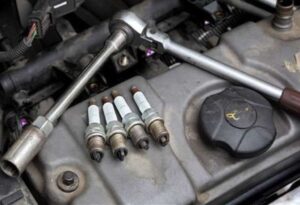
Great question! When we talk about which spark plugs are the best, we’re really looking for the optimal balance of performance, longevity, and compatibility with your specific engine. It’s less about a universal “best” and more about the “best fit” for your vehicle’s design and your driving habits.
First things first, always, always check your car’s owner’s manual. That’s your golden ticket! The engineers who designed your engine know exactly what kind of spark plug it needs to run its best. They’ll recommend a specific heat range and material type. Deviating too much can lead to problems.
Now, let’s break down the main types you’ll encounter and where they shine:
- Copper Spark Plugs: These are the classic workhorses. Copper has excellent electrical conductivity, meaning a strong spark. They’re typically found in older vehicles or some high-performance engines where frequent plug changes are part of the maintenance routine. Their main drawback is their shorter lifespan because copper is softer and erodes faster. I remember using copper plugs in my old muscle car; the engine felt super responsive, but I had to swap them out every 10,000-15,000 miles. They’re usually the most affordable option.
- Platinum Spark Plugs: A step up from copper in terms of durability. Platinum is harder and more resistant to erosion, so these plugs last much longer – often 60,000 miles or more. Many cars from the late 90s and early 2000s came with platinum plugs from the factory. They offer a good balance of performance and longevity. My old sedan ran perfectly fine on platinum plugs for years without a hitch.
- Iridium Spark Plugs: These are often considered the premium choice for most modern vehicles, and usually the answer to which spark plugs are the best for overall performance and extreme longevity. Iridium is incredibly hard and has a very high melting point. This allows for a super-fine electrode, which delivers a very concentrated, efficient spark. Iridium plugs can last 100,000 miles or even more! While they’re the most expensive upfront, their long lifespan often makes them cost-effective in the long run. My current SUV, with its tricky-to-reach spark plugs, definitely benefits from iridium’s extended life.
- Double Platinum or Double Iridium Plugs: Some engines, especially those with “wasted spark” ignition systems (where a plug fires on both the combustion stroke and the exhaust stroke), require plugs that can handle spark erosion on both the center and ground electrodes. Double platinum or double iridium plugs are designed for this, offering even greater longevity in these specific applications.
From my own experience, sticking to the manufacturer’s recommended heat range is critical. I once tried an aftermarket “performance” plug that was a different heat range in a stock engine, thinking it would be an upgrade. Turns out, it actually caused rough idling and reduced fuel economy! The car just didn’t like it. It really taught me that a fancy name doesn’t always mean which spark plugs are the best for your specific engine.
Another practical tip: even if spark plugs claim to be “pre-gapped,” always double-check the gap with a proper feeler gauge against your car’s specifications. I’ve received brand new plugs that were slightly off, and correcting that small difference made a noticeable improvement in engine smoothness and efficiency.
So, for 99% of drivers, for a modern vehicle, high-quality iridium spark plugs that match your car’s OEM specifications are usually which spark plugs are the best choice. They offer excellent performance, fuel efficiency, and fantastic durability, meaning less time under the hood!
To wrap it all up, deciding which spark plugs are the best boils down to smart choices, not just buying the most expensive option. Prioritize your owner’s manual, consider the material types based on your car’s needs, and don’t forget to check that gap! Keeping your engine happy with the right plugs means a smoother, more efficient, and more reliable ride for you.