Honda’s genuine oil filters are not manufactured by Honda directly, but by trusted third-party companies. These manufacturers, including major players like Filtech and Toyo Roki, produce filters engineered to meet Honda’s stringent OEM quality and performance specifications, ensuring your engine receives the precise protection it deserves.
Discover Who Makes Honda Oil Filter Your Car Deserves
Ever found yourself peering under your hood, maybe during an oil change, and wondering, “Who actually makes this Honda oil filter?” It’s a super common question, and honestly, it’s a smart one to ask! You see, while that little canister might proudly wear the Honda logo, the truth is, Honda often partners with specialized manufacturers to produce these vital components. They don’t typically roll them off their own assembly lines. What matters most is that these filters meet Honda’s exacting standards, ensuring your engine gets the protection it deserves.
So, let’s dive into who the usual suspects are behind your Honda oil filter and what you really need to know to make the best choice for your beloved car.
Who exactly makes Honda oil filters, and what should I consider when choosing one for my car?
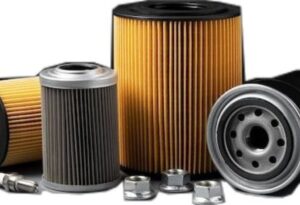
When it comes to your Honda oil filter, it’s usually manufactured by a few key suppliers that Honda trusts. For years, companies like Filtech and Toyo Roki have been primary producers for Honda’s genuine filters. You might also see names like Denso associated with Honda parts, though Filtech and Toyo Roki are particularly prominent for oil filters.
From my own experience, when I’m doing an oil change on my Honda Civic, I always notice the attention to detail on the genuine filter. Honda sets extremely strict specifications for these filters, covering everything from the filtration media (the paper-like material inside that catches impurities) to the anti-drain back valve and pressure relief valve. These are crucial for making sure oil flows properly and doesn’t drain out of the engine when it’s off, preventing dry starts.
Here’s a breakdown of what makes a genuine Honda oil filter reliable and what to think about:
- OEM Quality: Filters branded with the Honda logo are Original Equipment Manufacturer (OEM) parts. This means they are designed, tested, and approved by Honda to fit perfectly and perform optimally with your specific engine. When I first started working on my own cars, I learned quickly that sticking with OEM for critical parts like oil filters just eliminates guesswork. You know it’s going to fit, and you know it’s going to work as intended.
- Filtration Efficiency: These filters are engineered to capture contaminants effectively without restricting oil flow, which is a delicate balance. I remember once trying a super cheap aftermarket filter and just feeling uneasy about it. The material inside just didn’t look as robust. Genuine filters protect your engine from harmful particles, extending its life.
- Durability and Longevity: A genuine Honda oil filter is built to last the entire recommended oil change interval, whether that’s 5,000, 7,500, or even 10,000 miles, depending on your oil and driving conditions. You don’t want a filter breaking down halfway through!
- The “Made In” Conundrum: Don’t be surprised if your genuine Honda filter says “Made in USA,” “Made in Canada,” or “Made in Thailand.” These are just where Honda’s trusted suppliers have their manufacturing plants. The key is that they are made to Honda’s specifications.
What about aftermarket options?
While genuine Honda filters are often the safest bet, especially for newer vehicles or those still under warranty, high-quality aftermarket options do exist. Brands like Bosch, Mann-Filter, and Wix are reputable and often meet or exceed OEM standards. However, you need to be careful. There’s a huge range in quality, and some cheaper aftermarket filters might not have the same anti-drain back valve quality or filtration media, potentially leading to issues down the road. I usually compare reviews and check forums if I’m considering an aftermarket option for my Honda.
My Personal Tip: When you pick up a filter, whether it’s genuine or aftermarket, feel the weight of it. A surprisingly light filter can sometimes be a red flag. Also, check the build quality – the seams, the threads – they should look clean and solid. And always, always make sure the part number matches your vehicle’s requirements! My local Honda dealership parts counter has always been incredibly helpful if I’m ever unsure about the exact filter for my specific model year.
Ultimately, whether it’s a genuine Honda oil filter made by Filtech or another trusted supplier, or a high-quality aftermarket one, the goal is consistent, reliable filtration. Your engine relies on clean oil, and the oil filter is its first line of defense.
Choosing the right oil filter for your Honda is a straightforward way to show your car some love and ensure its longevity. While the specific manufacturer behind the Honda badge might vary, the commitment to quality remains constant. Always prioritize a filter that meets Honda’s specifications, whether it’s a genuine part or a top-tier aftermarket alternative. Your Honda, and your wallet, will thank you for it in the long run by keeping that engine running smoothly and efficiently for years to come.