Stop that frustrating oil drip! The primary reason your oil filter is leaking is often improper installation, such as over-tightening, under-tightening, or a forgotten old gasket causing a poor seal. Always ensure you use the correct filter and follow manufacturer torque specifications for a leak-free engine.
Stop The Drip Why Is My Oil Filter Leaking Solved Now
Oh, that sinking feeling! You walk out to your car, and there it is – a fresh, dark puddle under your engine. More often than not, the culprit is a tell-tale drip near the oil filter. It’s frustrating, I know, but take a deep breath. Understanding exactly why your oil filter is leaking is the first big step to fixing it. Good news: most oil filter leaks are pretty straightforward to solve, and often, you can tackle them yourself. Let’s get to the bottom of this common car woe together!
You might be wondering if it’s a huge, expensive problem. Typically, no! While any oil leak needs attention to avoid bigger issues, the good news is that when your oil filter is leaking, it’s usually due to one of a few common and very fixable reasons. So, let’s explore those causes and get that drip stopped for good.
So, Exactly Why Is My Oil Filter Leaking? Let’s Dive In!
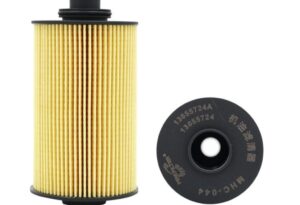
Alright, let’s cut to the chase and understand the primary reasons why your oil filter is leaking. From my own wrenching adventures and helping friends out, it almost always comes down to a few key areas. It’s rarely a mystery, just a matter of careful inspection.
- 1. Improper Installation – The Usual Suspect: This is by far the most common reason. Many times, an oil filter leak happens right after an oil change.
- The Old Gasket Still Hanging Around: I’ve seen this happen more times than I can count, even to experienced DIYers. When you unscrew the old filter, its rubber gasket (the sealing ring) can sometimes stick to the engine block’s mounting surface. If you then screw on a new filter with its own gasket, you end up with two gaskets trying to seal. This creates a terrible seal, and oil will absolutely pour out. Always, always check the mounting surface after removing the old filter to ensure it’s clean and free of the old gasket! My personal rule: a quick wipe with a clean rag confirms it.
- Gasket Issues – Pinched, Dry, or Wrong Size: The new filter’s gasket needs a bit of love. Before installing, dab a thin film of fresh engine oil onto the new rubber gasket. This helps it slide and seal properly. A dry gasket can bind, twist, or pinch, leading to a leak. Also, ensure you have the correct filter for your car; a gasket that’s too small or too large won’t seal right. A friend once used the wrong filter, and we spent ages trying to figure out his persistent oil filter leak before realizing the gasket was just slightly off.
- Overtightened or Undertightened: This is a tricky one.
- Overtightened: Many people think tighter is better, but with oil filters, it can actually damage the gasket, causing it to crack or distort. This then leads to an oil filter leak. Filters usually just need to be hand-tightened until the gasket contacts the mounting surface, then given an additional ¾ to 1 turn with a wrench. The filter itself usually has instructions printed on it.
- Undertightened: On the flip side, if it’s not tight enough, the gasket won’t compress sufficiently to create a seal, and oil will weep out. It’s a Goldilocks situation – not too tight, not too loose.
- Cross-threading: This happens if the filter isn’t started perfectly straight onto the engine block’s threaded post. It can damage the threads on either the filter or the block, preventing a proper seal and causing an oil leak. My golden rule: always start the filter by hand until it’s snug before even thinking about a wrench. If it doesn’t turn smoothly, stop, back it off, and try again.
- 2. A Defective Oil Filter – Rare, But It Happens: While uncommon, sometimes the filter itself has a manufacturing flaw. This could be a poorly crimped seam, a faulty gasket from the factory, or even a hairline crack in the filter casing that allows oil to escape. If you’ve ruled out installation errors, a defective filter might be why your oil filter is leaking. I once had a buddy get a filter right out of the box that had a tiny dent, leading to a slow, frustrating drip.
- 3. Damaged Mounting Surface: The part of the engine block where the filter screws on needs to be perfectly flat and clean. If there’s debris, rust, corrosion, or actual damage (like a ding from impact), it can prevent the new filter’s gasket from creating a perfect seal, leading to a leak. Always clean this surface thoroughly before installation.
- 4. Excessive Oil Pressure (Less Common): In very rare cases, extremely high engine oil pressure can overwhelm the filter’s seal. This could be due to a faulty oil pressure relief valve or an engine problem. However, this is usually not the primary reason why your oil filter is leaking; it’s more likely one of the installation issues.
So, when you see that drip, remember these points. The first thing I always do is grab a flashlight and carefully inspect the filter area for any obvious signs of improper installation or damage. Clean the area thoroughly, then run the engine briefly to pinpoint the exact source of the leak.
Don’t let a little oil scare you! Most of the time, fixing a leaking oil filter is a simple job, often just needing a bit more care during the oil change process. Knowing why your oil filter is leaking puts you in control. A clean garage floor and a happy engine are just a few simple checks away!