Changing old, worn-out spark plugs can indeed improve your gas mileage, but only if they are currently faulty, fouled, or past their recommended service life. If your spark plugs are already in good condition and functioning correctly, replacing them is unlikely to offer a noticeable boost in fuel efficiency. Focus on timely maintenance to ensure optimal engine performance and fuel economy.
The Truth Will Changing Spark Plugs Improve Gas Mileage?
Ever wondered if swapping out your old spark plugs is the secret handshake to better fuel economy? It’s a common question, and honestly, it’s not always a simple “yes” or “no.” The real truth is, *will changing spark plugs improve gas mileage* significantly depends on the current health of your car’s existing spark plugs. If your engine is already running smoothly with healthy plugs, you likely won’t see a dramatic jump in MPG.
However, if your spark plugs are worn out, fouled, or past their prime, then yes, replacing them can absolutely make a noticeable and positive difference to your gas mileage. Think of it like this: an engine with struggling spark plugs is like trying to run a marathon with one shoe untied – it’s just not efficient. Let’s dive deeper into why this simple maintenance step can be a game-changer for your wallet at the gas pump.
So, really, will changing spark plugs improve gas mileage in my car?
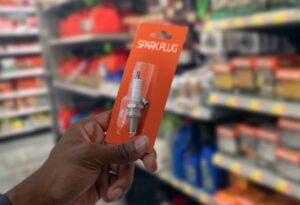
That’s a fantastic question, and one I get asked a lot. My honest answer, based on years of driving and tinkering, is: it absolutely can, but only if your current spark plugs are actually causing a problem.
Let me break it down for you. Imagine your engine as a finely tuned orchestra. The spark plugs are like the percussion section, creating the tiny spark needed to ignite the air-fuel mixture in your engine’s cylinders. This ignition is what makes your car go! If that spark is weak, inconsistent, or missing entirely, the whole combustion process gets thrown off.
When Changing Spark Plugs WILL Improve Gas Mileage:
If your car’s spark plugs are old, worn out, or fouled, they’re not doing their job efficiently. Here’s what happens:
- Misfires: A worn plug might miss an ignition, meaning the fuel in that cylinder doesn’t burn. This is essentially throwing gas straight out the exhaust pipe. You might feel a little jerkiness or a rough idle. I once had an older sedan that was chugging at stops; new plugs made it purr like a kitten and boosted my MPG by a couple of points.
- Incomplete Combustion: Even if a worn plug does spark, it might not be strong enough to burn all the fuel. This also wastes fuel and can lead to more emissions. Your engine has to work harder to achieve the same power, using more gas in the process.
- Reduced Power: When the engine isn’t firing on all cylinders correctly, you lose power. To compensate, you naturally press the accelerator harder, which, you guessed it, uses more fuel.
So, if you’re experiencing symptoms like a rough idle, engine hesitation, sluggish acceleration, or a noticeable drop in your fuel economy without any other obvious reason, then a fresh set of spark plugs can indeed work wonders. They’ll restore efficient combustion, ensuring every drop of fuel is used as it should be.
When Changing Spark Plugs WON’T Make a Big Difference:
On the flip side, if your spark plugs are relatively new and your car is running smoothly, replacing them probably won’t give you a significant boost in gas mileage. Modern spark plugs, especially iridium or platinum types, are designed to last for a very long time – often 60,000 to 100,000 miles or more! If they’re within their recommended service interval and your car feels perfectly fine, you’re unlikely to see a dramatic change in MPG. It’s like replacing a perfectly good lightbulb; it won’t make the room brighter.
My Personal Advice and Experience:
Always check your car’s owner’s manual for the recommended spark plug replacement interval. That’s your best guide. If your car is showing signs of struggle, and it’s nearing or past that interval, then changing the spark plugs is a smart, relatively inexpensive maintenance step. I always advise my friends to consider it as part of a general tune-up if they’re noticing performance issues. Sometimes, it’s not just the plugs; other factors like a clogged air filter, low tire pressure, or even dirty fuel injectors can impact gas mileage too. But addressing worn spark plugs is a fundamental step to ensure your engine is performing at its peak efficiency, which directly translates to better fuel economy.
In conclusion, while new spark plugs aren’t a magic bullet for every gas mileage woe, they are incredibly important. If your current plugs are struggling, then yes, *will changing spark plugs improve gas mileage* is a resounding YES! It’s all about getting your engine back to its optimal, fuel-sipping self. Keep an eye on your car’s performance and don’t neglect this simple yet crucial maintenance item. Your wallet will thank you.