Have you ever noticed your car feeling sluggish, consuming more fuel than usual, or suddenly illuminating the check engine light without an obvious reason? While many drivers immediately suspect the spark plugs, fuel injectors, or oxygen sensors, the real culprit is often a much smaller component—the Mass Air Flow (MAF) sensor.
Despite its compact size, the MAF sensor is one of the most important sensors in your vehicle’s engine management system. Every time you start your car, it continuously measures the amount of air entering the engine and sends that information to the Engine Control Unit (ECU).
The ECU then uses this data to calculate exactly how much fuel should be injected for efficient combustion. If the airflow reading is inaccurate, the engine can run too rich or too lean, leading to poor performance, reduced fuel economy, rough idling, increased emissions, and even long-term engine damage.
That’s why understanding what a MAF sensor is, what it does, and how it works isn’t just helpful for mechanics—it can help every car owner recognize problems early, avoid unnecessary repairs, and make informed maintenance decisions.
In this comprehensive guide, you’ll learn everything you need to know about the MAF sensor, including how it works, where it’s located, the different types available, common symptoms of failure, diagnostic methods, cleaning and maintenance tips, replacement procedures, expected lifespan, and much more.
Whether you’re trying to diagnose a check engine light or simply want to understand how your car’s air intake system works, this guide will walk you through each topic in a clear, beginner-friendly way.
What Is a MAF Sensor?
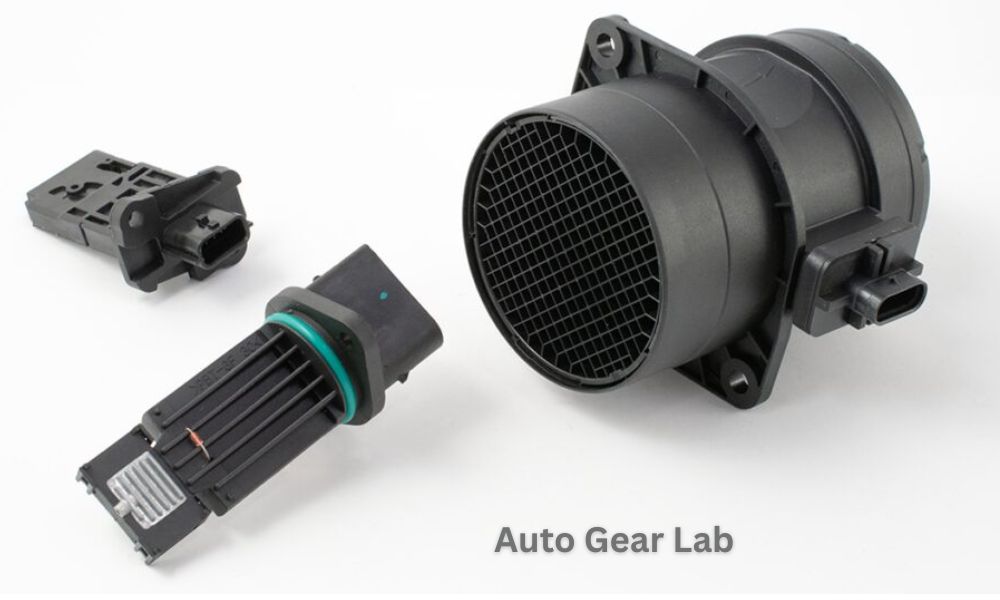
A Mass Air Flow (MAF) sensor is an electronic sensor that measures the amount of air entering my vehicle’s engine. It is one of the most important components of the air intake system because it provides the Engine Control Unit (ECU) with real-time airflow data. Using this information, the ECU determines how much fuel to inject into the combustion chambers to maintain the correct air-fuel mixture.
In most modern gasoline vehicles, I can find the MAF sensor installed between the engine air filter housing and the throttle body. This position allows it to measure clean, filtered air before it reaches the engine. Since every bit of air entering the engine passes through the sensor, the ECU can accurately calculate the engine’s fuel requirements under different driving conditions.
Without accurate airflow readings, the ECU has to estimate the amount of incoming air. This often results in an air-fuel mixture that’s either too rich (too much fuel) or too lean (too little fuel), which can cause poor acceleration, rough idling, reduced fuel economy, higher emissions, and even trigger the check engine light.
Most modern vehicles use one of two MAF sensor designs:
- Hot-wire MAF sensor – The most common type, using a heated wire to measure airflow.
- Hot-film MAF sensor – A newer design that replaces the wire with a thin heated film for improved durability and accuracy.
Although the design may vary between manufacturers, the purpose remains the same: to measure the amount of air entering the engine as accurately as possible so the ECU can optimize engine performance, fuel efficiency, and emissions.
In the next section, I’ll explain what a MAF sensor actually does and why it’s one of the most critical sensors in your vehicle’s engine management system.
What Does a MAF Sensor Do?
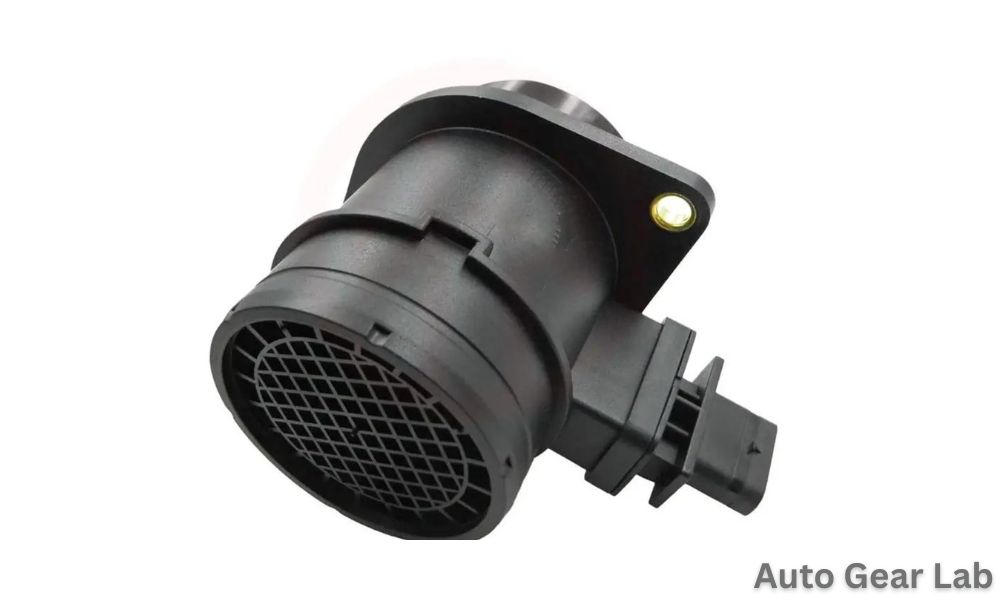
The primary job of a Mass Air Flow (MAF) sensor is to tell my vehicle’s Engine Control Unit (ECU) exactly how much air is entering the engine at any given moment. While this may sound simple, it’s one of the most important calculations the ECU makes because the amount of incoming air directly determines how much fuel should be injected.
Every gasoline engine runs best when it maintains the proper air-fuel ratio. To achieve this, the ECU constantly relies on the MAF sensor for accurate airflow data. Every time I press the accelerator, climb a hill, or cruise on the highway, the amount of air entering the engine changes. The MAF sensor measures these changes in real time and sends updated information to the ECU several times per second.
Based on the airflow reading, the ECU adjusts several engine functions, including:
- Fuel injection timing and quantity
- Air-fuel ratio
- Ignition timing
- Engine idle stability
- Engine load calculations
- Emissions control
For example, when I accelerate quickly, the engine needs more air to produce additional power. The MAF sensor detects the increased airflow almost instantly, allowing the ECU to inject more fuel and maintain efficient combustion. Likewise, when I’m idling at a traffic light, the sensor detects the reduced airflow, and the ECU decreases fuel delivery to prevent unnecessary fuel consumption.
The MAF sensor doesn’t work alone. Instead, it shares data with several other sensors, including the oxygen (O2) sensor, throttle position sensor, intake air temperature (IAT) sensor, and MAP sensor (on vehicles equipped with one). Together, these sensors help the ECU continuously optimize engine performance, fuel economy, and exhaust emissions.
Because the MAF sensor plays such a critical role, even a small error in its readings can create a chain reaction throughout the engine management system. An inaccurate airflow measurement may lead to poor fuel economy, sluggish acceleration, rough idle, increased emissions, or a check engine light.
Now that I’ve explained what the MAF sensor does, the next section looks at how it actually measures airflow and converts it into data the ECU can understand.
How Does a MAF Sensor Work?
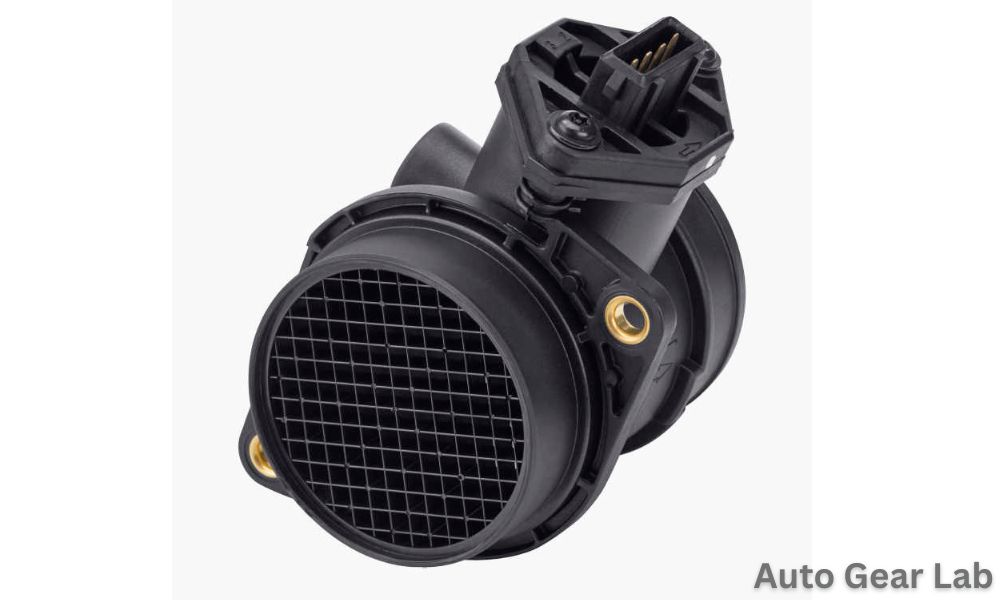
Now that you know what a MAF sensor is and what it does, the next question is how it actually measures the air entering the engine. Although the technology behind it is quite advanced, the basic principle is surprisingly easy to understand.
A MAF sensor is installed in the air intake system, just after the engine air filter and before the throttle body. As air flows through the intake tube, it passes directly over the sensing element inside the MAF sensor. The sensor then measures the amount of incoming air and sends that information to the Engine Control Unit (ECU) in real time.
Most modern vehicles use either a hot-wire or hot-film MAF sensor. Both work on the same principle—they measure airflow by monitoring how much the incoming air cools a heated sensing element.
Step 1: The Sensing Element Is Heated
When you start the engine, the MAF sensor heats a tiny wire or thin film to a specific temperature that’s much higher than the surrounding air.
Step 2: Incoming Air Cools the Sensor
As fresh air enters the engine, it flows over the heated wire or film. The faster the airflow, the more heat it removes from the sensing element.
Think of it like blowing on a hot cup of coffee. The stronger the airflow, the faster it cools down.
Step 3: The Sensor Measures the Cooling Effect
Instead of measuring the air directly, the MAF sensor measures how much electrical current is needed to keep the sensing element at its target temperature.
- More airflow → More cooling → More electrical current required
- Less airflow → Less cooling → Less electrical current required
This allows the sensor to calculate the exact amount of air entering the engine.
Step 4: The ECU Receives the Data
The MAF sensor converts its measurements into an electrical signal and sends it to the ECU many times every second.
Using this information, the ECU calculates:
- How much fuel to inject
- The correct air-fuel ratio
- Engine load
- Ignition timing adjustments
- Emissions control strategies
Because the airflow is measured continuously, the ECU can instantly respond to changing driving conditions, whether you are idling, accelerating, climbing a hill, or cruising on the highway.
Why Accuracy Matters
The ECU assumes the MAF sensor’s readings are accurate. If the sensor becomes dirty, damaged, or begins sending incorrect data, every fuel calculation based on those readings can also become inaccurate.
For example:
- If the MAF sensor reports less air than actually enters the engine, the ECU injects too little fuel, creating a lean mixture.
- If it reports more air than actually enters the engine, the ECU injects too much fuel, creating a rich mixture.
Either condition can reduce engine performance, lower fuel economy, increase emissions, and eventually trigger the check engine light.
Although the working principle is similar across most vehicles, there are several different types of MAF sensors, each designed with slightly different technology.
Types of MAF Sensors
Not all Mass Air Flow (MAF) sensors are built the same. Over the years, automakers have used different designs to measure the amount of air entering the engine. While their goal is identical, providing accurate airflow data to the Engine Control Unit (ECU)—the technology they use can vary.
Below are the most common types of MAF sensors you may encounter.
1. Hot-Wire MAF Sensor
The hot-wire MAF sensor is the most common type found in modern vehicles.
Inside the sensor is an extremely thin platinum wire that’s electrically heated to a constant temperature. As air flows over the wire, it cools the wire down. To maintain the target temperature, the sensor increases or decreases the electrical current flowing through the wire.
The amount of current required directly corresponds to the amount of air entering the engine. The sensor then sends this information to the ECU.
Advantages
- Highly accurate airflow measurement
- Fast response to throttle changes
- Excellent fuel economy and emissions control
- Widely used by most manufacturers
Disadvantages
- The wire can become contaminated by dirt, oil, or dust
- Requires periodic cleaning if contamination occurs
2. Hot-Film MAF Sensor
A hot-film MAF sensor works similarly to a hot-wire sensor but replaces the delicate wire with a thin heated film mounted on a ceramic substrate.
Because there isn’t a fragile wire exposed to the airflow, hot-film sensors are generally more durable and resistant to vibration.
Many newer vehicles use this design because it offers improved reliability while maintaining excellent accuracy.
Advantages
- More durable than hot-wire sensors
- Better resistance to vibration
- Longer service life
- Accurate airflow measurements
Disadvantages
- Still susceptible to contamination from oil or debris
- Usually more expensive to replace
3. Vane (Flapper) Air Flow Meter
Before electronic MAF sensors became common, many older vehicles used a vane air flow meter, also known as a flapper-type airflow sensor.
Instead of measuring airflow electronically, this design uses a spring-loaded flap inside the intake system. As more air enters the engine, the flap opens farther. The flap’s position is converted into an electrical signal that tells the ECU how much air is entering the engine.
Although reliable for its time, this design creates more airflow restriction than modern MAF sensors and responds more slowly to rapid throttle changes.
Today, it’s rarely found outside older vehicles.
Advantages
- Simple mechanical design
- Durable in older applications
Disadvantages
- Restricts airflow
- Less accurate
- Slower response
- Heavier moving parts
4. Digital and Analog MAF Sensors
Modern MAF sensors also differ in how they communicate with the ECU.
- Analog MAF sensors send a variable voltage signal based on airflow.
- Digital MAF sensors transmit airflow information as a frequency or digital signal, allowing for more precise measurements.
Regardless of the signal type, both perform the same essential function—providing real-time airflow data so the ECU can calculate the correct amount of fuel.
Which Type Is Best?
For most drivers, the type of MAF sensor isn’t something they’ll choose—it’s determined by the vehicle manufacturer. However, understanding the different designs helps explain why replacement costs, cleaning procedures, and diagnostic methods can vary between vehicles.
No matter which type your vehicle uses, every MAF sensor serves the same purpose: delivering accurate airflow information so the engine can operate efficiently, produce maximum performance, and minimize fuel consumption and emissions.
Read Complete Guide : Best MAF Sensor: Top Picks for Better Performance
Where Is the MAF Sensor Located?
If you want to inspect, clean, or replace a MAF sensor, the first step is knowing where it’s located. Fortunately, on most vehicles, the MAF sensor is relatively easy to find because it’s installed in the engine’s air intake system.
In almost every modern gasoline-powered vehicle, the MAF sensor is positioned between the engine air filter housing and the throttle body. This location allows it to measure all the clean, filtered air entering the engine before it reaches the intake manifold.
A typical airflow path looks like this:
Air Filter → MAF Sensor → Intake Tube → Throttle Body → Intake Manifold → Engine
Because every bit of incoming air passes through this path, the MAF sensor can accurately measure airflow and send real-time data to the Engine Control Unit (ECU).
How to Find the MAF Sensor
If I’m looking under the hood, I usually follow these steps:
- Open the hood and locate the engine air filter box.
- Follow the large plastic or rubber air intake tube leading away from the air filter.
- Look for a small electronic sensor attached to the intake tube.
- The sensor typically has a 2- to 6-pin electrical connector and is secured with screws or clips.
On many vehicles, the sensor is clearly visible and can be accessed without removing other engine components. However, some manufacturers place it inside the air filter housing or integrate it with other intake components, making it slightly harder to reach.
Does Every Car Have the MAF Sensor in the Same Place?
No. While the general location is similar, the exact position depends on the vehicle’s make, model, engine design, and intake layout.
For example:
- Some vehicles mount the MAF sensor directly on the air filter housing.
- Others place it several inches downstream on the intake tube.
- Turbocharged engines may position the sensor differently to suit their intake design.
This is why it’s always a good idea to check your vehicle’s owner’s manual or service manual before attempting any maintenance.
How to Identify a MAF Sensor
The MAF sensor is often confused with other sensors in the engine bay, especially the MAP sensor and the Intake Air Temperature (IAT) sensor.
A MAF sensor is usually easy to recognize because it:
- Is installed in the main air intake tube
- Has an electrical connector with multiple wires
- Sits between the air filter and throttle body
- Measures all incoming airflow before it enters the engine
Knowing its location not only makes maintenance easier but also helps prevent accidentally disconnecting or replacing the wrong sensor.
Now that I’ve covered where the MAF sensor is located, the next step is understanding the common symptoms of a bad or failing MAF sensor and how they affect your vehicle’s performance.
Common Symptoms of a Bad MAF Sensor
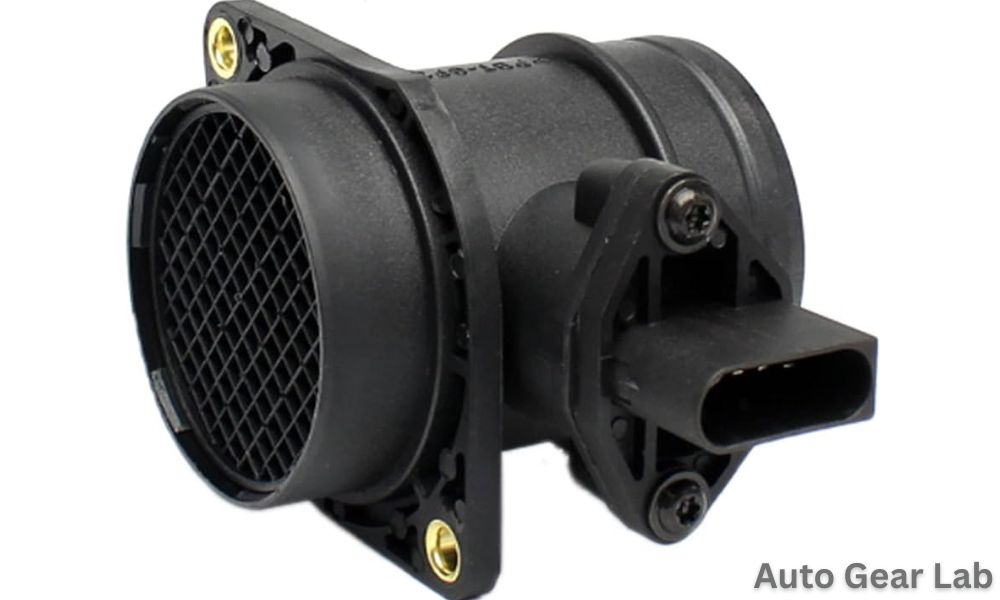
A failing Mass Air Flow (MAF) sensor doesn’t always stop the engine from running, but it can significantly affect how the vehicle performs. Because the MAF sensor provides the Engine Control Unit (ECU) with critical airflow data, inaccurate readings can disrupt fuel delivery, ignition timing, and the overall air-fuel mixture.
The symptoms usually develop gradually, although a completely failed sensor may cause problems almost immediately.
Below are the most common signs that may indicate a bad or dirty MAF sensor.
Check Engine Light
One of the earliest and most common warning signs is the check engine light.
If the ECU detects airflow readings that are outside the expected range or inconsistent with information from other sensors, it may store a diagnostic trouble code (DTC) and illuminate the warning light.
However, a check engine light doesn’t automatically mean the MAF sensor has failed. Several other engine components can trigger the same warning, so proper diagnosis is always important.
Rough Idle
A dirty or faulty MAF sensor may send incorrect airflow readings while the engine is idling.
As a result, the engine may:
- Idle roughly
- Shake or vibrate
- Experience fluctuating RPM
- Occasionally stall at idle
These issues occur because the ECU struggles to maintain the correct air-fuel mixture at low engine speeds.
Poor Acceleration
If the MAF sensor underestimates or overestimates the amount of incoming air, the ECU may inject the wrong amount of fuel.
This often leads to:
- Sluggish acceleration
- Delayed throttle response
- Reduced engine power
- Hesitation when pressing the accelerator
Many drivers first notice the problem when merging onto a highway or climbing a steep hill.
Reduced Fuel Economy
A malfunctioning MAF sensor can cause the engine to run either too rich or too lean.
When the engine runs rich, it burns more fuel than necessary, resulting in lower fuel economy and more frequent trips to the gas station.
Engine Stalling
In more severe cases, incorrect airflow readings may prevent the engine from maintaining stable combustion.
This can cause the engine to:
- Stall while idling
- Stall after starting
- Stall when coming to a stop
Although stalling can have many causes, a faulty MAF sensor is one possibility that shouldn’t be overlooked.
Hard Starting or No Start
A completely failed MAF sensor can make starting the engine difficult.
Some vehicles may crank longer than usual before starting, while others may refuse to start altogether if the ECU cannot calculate the proper fuel delivery.
Increased Exhaust Emissions
When the air-fuel mixture becomes unbalanced, combustion becomes less efficient.
This can lead to:
- Higher exhaust emissions
- Excess carbon buildup
- Possible catalytic converter damage over time
- Failed emissions inspections in regions where testing is required
Engine Hesitation or Surging
Another common symptom is inconsistent engine performance.
You may notice:
- Hesitation during acceleration
- Surging while cruising
- Jerking under light throttle
- Inconsistent power delivery
These symptoms often occur because the ECU is continuously adjusting fuel delivery based on inaccurate airflow data.
Misfires
An incorrect air-fuel mixture can also contribute to engine misfires.
If one or more cylinders don’t receive the proper amount of fuel, combustion may become incomplete, causing:
- Engine vibration
- Loss of power
- Flashing check engine light (in severe cases)
While a MAF sensor isn’t the only possible cause of misfires, it’s one of the components that should be inspected during diagnosis.
Summary
A bad MAF sensor can cause a wide range of drivability problems, many of which resemble issues caused by spark plugs, fuel injectors, vacuum leaks, or oxygen sensors. That’s why it’s important to diagnose the problem rather than replacing parts based on symptoms alone.
Read More Details : What Does a Bad MAF Sensor Look Like?
In the following sections, I’ll explain what causes a MAF sensor to fail, how to diagnose it correctly, and whether cleaning the sensor can restore its performance before considering a replacement.
What Causes a MAF Sensor to Fail?
Although MAF sensors are designed to last for many years, they aren’t immune to wear, contamination, or electrical problems. In many cases, the sensor itself hasn’t actually failed—it’s simply dirty and unable to measure airflow accurately.
Understanding what causes a MAF sensor to malfunction can help me prevent unnecessary replacements and diagnose problems more effectively.
Dirt and Dust Buildup
The most common cause of MAF sensor problems is contamination.
Even though the engine air filter removes most airborne particles, tiny amounts of dust, dirt, pollen, and other contaminants can still pass through over time. These particles gradually accumulate on the sensor’s delicate sensing element, reducing its ability to measure airflow accurately.
A dirty sensor often sends incorrect airflow readings, which can affect engine performance long before the sensor completely fails.
A Dirty or Damaged Air Filter
The condition of the engine air filter has a direct impact on the MAF sensor’s lifespan.
If the air filter is clogged, torn, incorrectly installed, or overdue for replacement, more contaminants can reach the sensor. As a result, the sensing element becomes dirty much faster.
Regular air filter maintenance is one of the easiest ways to protect the MAF sensor.
Oil from Reusable Air Filters
Some aftermarket reusable air filters require oil to trap dirt effectively. If too much oil is applied during servicing, tiny oil droplets can travel through the intake system and coat the MAF sensor.
Once coated with oil, the sensor may no longer measure airflow accurately.
This doesn’t mean reusable filters are bad—it simply means they must be cleaned and re-oiled according to the manufacturer’s instructions.
Moisture or Water Exposure
Although the MAF sensor is designed to operate in varying weather conditions, excessive moisture can create problems.
Water entering the intake system from deep puddles, flooding, or an improperly installed cold air intake may damage the sensing element or electrical components.
Electrical Problems
Like any electronic component, a MAF sensor depends on a reliable electrical connection.
Problems such as:
- Corroded terminals
- Loose connectors
- Damaged wiring
- Broken ground connections
- Low supply voltage
can interrupt communication between the sensor and the ECU, causing inaccurate readings or complete sensor failure.
Air Intake Leaks
Sometimes the MAF sensor isn’t actually the problem.
If there’s a crack in the intake tube or an air leak after the MAF sensor, unmetered air can enter the engine. Since this extra air isn’t measured by the sensor, the ECU calculates the wrong amount of fuel.
The symptoms often resemble a failing MAF sensor, even though the sensor is working normally.
Age and Normal Wear
Over time, repeated heating and cooling cycles gradually wear out the sensing element.
Most MAF sensors can last well over 100,000 miles (160,000 km) under normal driving conditions, but their lifespan depends on driving habits, maintenance, and environmental conditions.
Eventually, the sensor may become less accurate or fail completely due to age.
Low-Quality Replacement Parts
Not all replacement MAF sensors perform equally well.
Some inexpensive aftermarket sensors may provide inaccurate airflow readings, have lower build quality, or fail much sooner than original equipment (OEM) parts.
If replacement becomes necessary, choosing a high-quality sensor can help avoid recurring performance issues.
Can a Dirty MAF Sensor Be Fixed?
Yes—if contamination is the only issue, cleaning the sensor with a dedicated MAF sensor cleaner may restore accurate airflow readings.
However, if the sensing element is physically damaged or the electronics have failed, cleaning won’t solve the problem, and replacement will be the only reliable solution.
Now that I’ve covered the most common causes of MAF sensor failure, the next step is learning how to diagnose a bad MAF sensor before deciding whether it needs cleaning or replacement.
How to Diagnose a Bad MAF Sensor
A check engine light or rough engine performance doesn’t automatically mean the MAF sensor is faulty. Many other components—such as vacuum leaks, a clogged air filter, a failing oxygen sensor, or ignition problems—can produce similar symptoms.
That’s why I always recommend diagnosing the MAF sensor before replacing it. A few simple checks can often reveal whether the sensor is actually the problem.
Note: This section provides a general overview of the diagnostic process. I have covered each testing method in detail in dedicated articles Click here and read more.
1. Start with a Visual Inspection
Before using any tools, I begin with a basic visual inspection.
I check for:
- Dirt or oil contamination on the sensor
- A loose or damaged electrical connector
- Broken or corroded wiring
- Cracks in the air intake tube
- A dirty or improperly installed engine air filter
Many MAF-related problems are caused by contamination or intake leaks rather than a failed sensor.
2. Scan for Diagnostic Trouble Codes
Next, I connect an OBD-II scanner to check for diagnostic trouble codes (DTCs).
Some of the most common MAF-related codes include:
| Code | Description |
| P0100 | Mass Air Flow Circuit Malfunction |
| P0101 | MAF Sensor Performance Problem |
| P0102 | MAF Circuit Low Input |
| P0103 | MAF Circuit High Input |
| P0104 | Intermittent MAF Signal |
These codes don’t always confirm that the MAF sensor is defective, but they provide an excellent starting point for diagnosis.
3. Check Live Data
One of the most effective diagnostic methods is viewing live data with an OBD-II scan tool.
Instead of simply looking for stored codes, I can monitor the airflow readings while the engine is:
- Idling
- Accelerating
- Cruising
- Decelerating
If the airflow values are clearly outside the expected range or don’t change smoothly with engine speed, the MAF sensor or the intake system may need further inspection.
4. Test the Sensor Electrically
If necessary, I can also test the sensor using a digital multimeter.
Depending on the vehicle, this may involve checking:
- Power supply voltage
- Ground circuit
- Signal voltage
- Signal frequency
- Wiring continuity
Electrical testing helps determine whether the sensor is receiving power and communicating properly with the ECU.
5. Inspect for Intake Leaks
Even a perfectly functioning MAF sensor can produce incorrect airflow calculations if unmetered air enters the engine.
I inspect the intake system for:
- Cracked intake hoses
- Loose hose clamps
- Vacuum leaks
- Damaged intake boots
- Air leaks after the MAF sensor
These issues often mimic the symptoms of a failing MAF sensor.
6. Clean the Sensor (If Necessary)
If the sensing element appears dirty but isn’t physically damaged, cleaning it with a MAF sensor cleaner may restore proper operation.
However, I never use brake cleaner, carburetor cleaner, or compressed air directly on the sensing element, as these can damage the delicate electronics.
7. Replace Only After Confirming Failure
Replacing the MAF sensor should be the final step—not the first.
If the sensor continues to produce inaccurate readings after cleaning and all wiring, intake components, and electrical connections have been verified, replacement is usually the most reliable solution.
Diagnosis Is Better Than Guesswork
Many drivability issues share similar symptoms, so replacing parts based on a guess can quickly become expensive.
A systematic diagnosis helps identify the actual cause of the problem and prevents unnecessary repairs.
In the next section, I’ll explain how to clean a MAF sensor safely, including the correct products to use and the mistakes that can permanently damage the sensor.
How to Clean a MAF Sensor
A dirty MAF sensor doesn’t always need to be replaced. In many cases, cleaning the sensor can restore accurate airflow readings and improve engine performance.
Since the sensing element is extremely delicate, you should only use a dedicated MAF sensor cleaner. Using brake cleaner, carburetor cleaner, or compressed air may damage the sensor permanently.
Before cleaning, I disconnect the battery (if recommended by the manufacturer), remove the sensor carefully, spray the cleaner onto the sensing element, and allow it to air dry completely before reinstalling it. I should never touch the sensing wire or film with my fingers or any tools.
If the problem is caused by dirt or oil buildup, cleaning may resolve issues like rough idle, poor acceleration, and reduced fuel economy. However, if the sensor is electrically damaged or physically worn out, cleaning won’t fix the problem, and replacement will be necessary.
How to Test a MAF Sensor
If I suspect my MAF sensor is faulty, testing it before replacing it is always the best approach. A bad MAF sensor can share symptoms with several other engine problems, so proper diagnosis can save both time and money.
There are several ways to test a MAF sensor, including checking for diagnostic trouble codes with an OBD-II scanner, monitoring live airflow data, using a digital multimeter, and performing a visual inspection for dirt or damaged wiring. Comparing the sensor’s readings with the manufacturer’s specifications can help determine whether it’s functioning correctly.
If the test results indicate inaccurate airflow readings, I can decide whether the sensor needs cleaning or replacement instead of replacing it based on symptoms alone.
How to Replace a MAF Sensor
If cleaning doesn’t solve the problem or the MAF sensor has failed electrically, replacing it is usually the best solution. Fortunately, on most vehicles, replacing a MAF sensor is a simple job that requires only basic hand tools.
The process typically involves disconnecting the electrical connector, removing the mounting screws or clamps, installing the new sensor, and reconnecting everything securely. After replacement, some vehicles may automatically adapt to the new sensor, while others may require clearing diagnostic trouble codes or completing a short drive cycle.
Using a high-quality OEM or trusted aftermarket MAF sensor is recommended to ensure accurate airflow readings and reliable engine performance. Installing a low-quality replacement may lead to incorrect readings and recurring drivability issues.
How to Reset a MAF Sensor
After cleaning or replacing a MAF sensor, I may need to reset the engine’s learned airflow values. On many modern vehicles, the Engine Control Unit (ECU) automatically relearns the new sensor readings after a few drive cycles.
In some cases, I can speed up the process by clearing the diagnostic trouble codes with an OBD-II scanner or disconnecting the battery for a short period, if recommended by the vehicle manufacturer. However, the exact reset procedure varies by make and model.
If the check engine light remains on or the same symptoms return after a reset, the problem may be caused by another component or an underlying issue in the air intake system rather than the MAF sensor itself.
Read Complete Guide : How to Reset a MAF Sensor
MAF Sensor vs. MAP Sensor
Although the MAF (Mass Air Flow) sensor and MAP (Manifold Absolute Pressure) sensor both help the Engine Control Unit (ECU) calculate the correct air-fuel mixture, they do so in different ways.
A MAF sensor directly measures the amount of air entering the engine, while a MAP sensor estimates airflow by monitoring the pressure inside the intake manifold. Some vehicles use only a MAF sensor, some rely on a MAP sensor, and others use both to improve engine performance and fuel efficiency.
Here’s a quick comparison:
| Feature | MAF Sensor | MAP Sensor |
| Measures | Airflow | Intake manifold pressure |
| Location | Air intake tube | Intake manifold |
| Main Purpose | Calculates incoming air | Calculates engine load |
| Used In | Most modern vehicles | Speed-density systems and many turbocharged engines |
Both sensors play an important role in engine management, but they are not interchangeable. Understanding the differences can help when diagnosing performance problems or interpreting diagnostic trouble codes.
How Long Does a MAF Sensor Last?
A MAF sensor is designed to last for many years and typically doesn’t have a fixed replacement interval. Under normal driving conditions, it can often last 100,000 miles (160,000 km) or more, especially if the engine air filter is replaced regularly and the intake system is kept clean.
However, factors such as dust, oil contamination, moisture, and poor-quality air filters can shorten its lifespan. A dirty sensor may simply need cleaning, while an electrically damaged sensor will usually require replacement.
Rather than replacing the MAF sensor based on mileage alone, I recommend inspecting and testing it whenever symptoms like rough idle, poor acceleration, reduced fuel economy, or a check engine light appear.
How Much Does a MAF Sensor Cost?
The cost of replacing a MAF sensor depends on the vehicle’s make, model, and the type of sensor it uses. In general, an aftermarket MAF sensor costs less than an OEM (Original Equipment Manufacturer) part, but quality and accuracy can vary significantly.
Besides the price of the sensor itself, I should also consider labor costs if the replacement is performed by a repair shop. Fortunately, on many vehicles, replacing a MAF sensor is a straightforward task that can be completed with basic tools, making it a popular DIY repair.
When choosing a replacement, it’s usually worth investing in a high-quality sensor from a trusted manufacturer. A reliable MAF sensor provides more accurate airflow readings, better engine performance, and helps avoid recurring drivability issues caused by low-quality replacements.
Frequently Asked Questions (FAQs)
Can I drive with a bad MAF sensor?
Yes, in many cases the vehicle will still run with a faulty MAF sensor, but it’s not recommended to drive for long. A bad sensor can reduce engine performance, lower fuel economy, and may eventually cause additional engine or emissions-related problems.
Can I clean a MAF sensor instead of replacing it?
Yes. If the sensor is dirty, cleaning it with a dedicated MAF sensor cleaner may restore normal operation. However, if the sensor has an electrical fault or physical damage, replacement is usually the only solution.
Will disconnecting the battery reset the MAF sensor?
Disconnecting the battery may reset the ECU’s learned values on some vehicles, but it doesn’t repair or recalibrate a faulty MAF sensor. Many modern vehicles automatically relearn the correct values after several drive cycles.
Does every car have a MAF sensor?
No. While many modern vehicles use a MAF sensor, some engines rely on a MAP (Manifold Absolute Pressure) sensor and a speed-density system instead of a MAF sensor.
Can a dirty air filter damage a MAF sensor?
Yes. A clogged, damaged, or improperly installed air filter can allow dirt and debris to reach the MAF sensor, causing contamination and inaccurate airflow readings.
How often should I clean a MAF sensor?
There’s no fixed maintenance schedule. It’s generally a good idea to inspect and clean the sensor whenever it’s visibly dirty or if you notice symptoms such as rough idle, poor acceleration, reduced fuel economy, or a check engine light.
Conclusion
The Mass Air Flow (MAF) sensor is a small component, but it plays a critical role in your vehicle’s engine performance, fuel efficiency, and emissions. By accurately measuring the amount of air entering the engine, it helps the Engine Control Unit (ECU) deliver the correct amount of fuel under every driving condition.
Throughout this guide, I’ve covered what a MAF sensor is, what it does, how it works, the different types available, where it’s located, common symptoms of failure, possible causes, and the basics of diagnosing, cleaning, testing, and replacing it. Understanding these fundamentals can make it easier to recognize early warning signs and avoid unnecessary repairs.
Whether you’re troubleshooting a check engine light, planning routine maintenance, or simply learning how your vehicle works, having a solid understanding of the MAF sensor is an important first step. As you explore the related topics in more detail, you’ll be better prepared to keep your engine running efficiently and diagnose airflow-related issues with confidence.